China EV Export Surge: Why 222,000 Units in Q1 Threatens Western Auto Dominance
China EV Export Surge: Why 222,000 Units in Q1 Threatens Western Auto Dominance
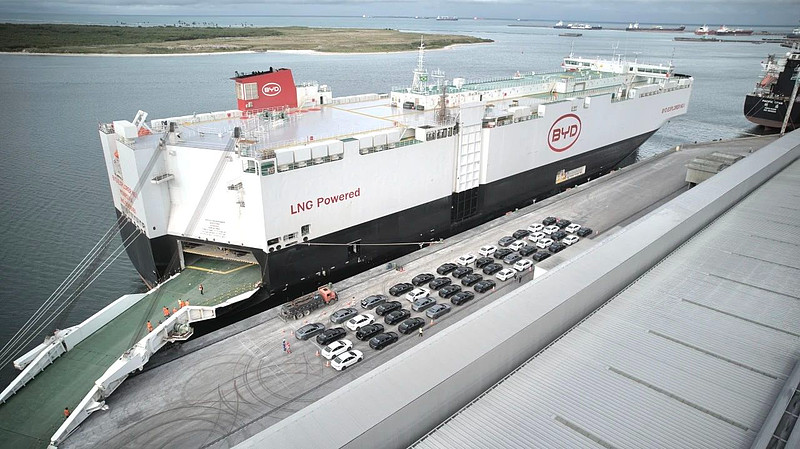
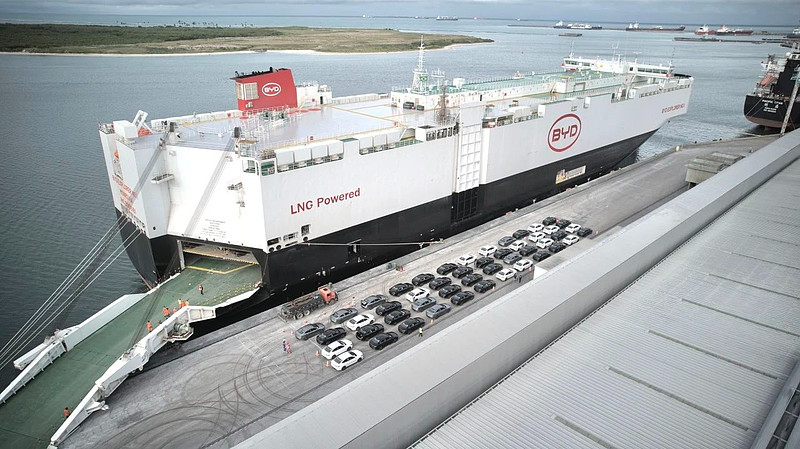
What happens when the world's largest automotive market begins exporting not just thousands, but hundreds of thousands of electric vehicles quarterly? The China EV export surge has reached an inflection point in early 2024, with automakers shipping 222,600 vehicles in Q1 alone—a staggering 56.7% year-over-year increase that is reshaping global competitive dynamics and forcing Western investors to reconsider their automotive portfolios.
The Data Behind the Disruption
According to the China Association of Automobile Manufacturers (CAAM), March 2024 delivered a seismic shock to industry observers: 87,500 vehicles exported in a single month, representing a 72.7% year-over-year jump. But the real story lies beneath the headline figures.
NEV Exports: The 120% Growth Engine
New Energy Vehicles (NEVs) drove the acceleration, with Q1 exports hitting 95,400 units—a remarkable 120% increase from the previous year. March alone saw 37,100 NEVs shipped overseas, up 130% YoY. As CAAM Deputy Secretary Chen Shihua noted, this reflects not merely price competition, but a fundamental shift in product competitiveness and supply chain efficiency.
- Q1 Total Exports: 222,600 units (+56.7% YoY)
- Q1 NEV Exports: 95,400 units (+120% YoY)
- March NEV Surge: 37,100 units (+130% YoY)
Why Western Markets Are Scrambling
For Western investors and legacy automakers, the China EV export surge represents an existential challenge to profit centers that have relied on technological moats and brand premiums for decades.
The Price-Performance Paradox
Chinese manufacturers like BYD, Geely, and SAIC are delivering vehicles with comparable range and superior digital integration at price points 20-30% below European and American equivalents. This cost advantage stems from vertical integration in battery supply chains—China controls approximately 80% of global cell manufacturing capacity—allowing OEMs to absorb tariff impacts while maintaining margins.
Geopolitical Friction Points
Western governments are responding with defensive measures. Reuters reports that the European Commission has imposed provisional tariffs up to 35.3% on Chinese EV imports, citing subsidy concerns. Meanwhile, Bloomberg notes the Biden administration has raised U.S. tariffs on Chinese EVs to 100%, effectively creating a trade barrier.
Yet these measures reveal a strategic tension: tariffs may slow but cannot stop the China EV export surge, as manufacturers pivot toward Southeast Asia, Latin America, and the Middle East—markets where Western brands traditionally held dominance.
Investment Implications: Redrawing the Map
For portfolio managers, the data signals a structural realignment. Legacy OEMs dependent on export markets face margin compression, while Chinese equities with global logistics capabilities present asymmetric growth opportunities. The critical question is no longer whether Chinese EVs can compete globally, but how quickly Western incumbents can reconfigure their supply chains to match Chinese cost structures.
See our analysis on EU Tariffs and Chinese EV Market Strategy to understand how regulatory risks may affect your automotive investments.
Recommended Reading
To understand the battery technology and geopolitical strategy driving this transformation, read The Powerhouse: America, China, and the Great Battery War by Steve Levine. This meticulously researched account explains how China's early investment in lithium-ion supply chains created the foundation for today's export dominance—and why Western catch-up efforts face structural headwinds.
Sources: China Association of Automobile Manufacturers (CAAM), Reuters Automotive, Bloomberg