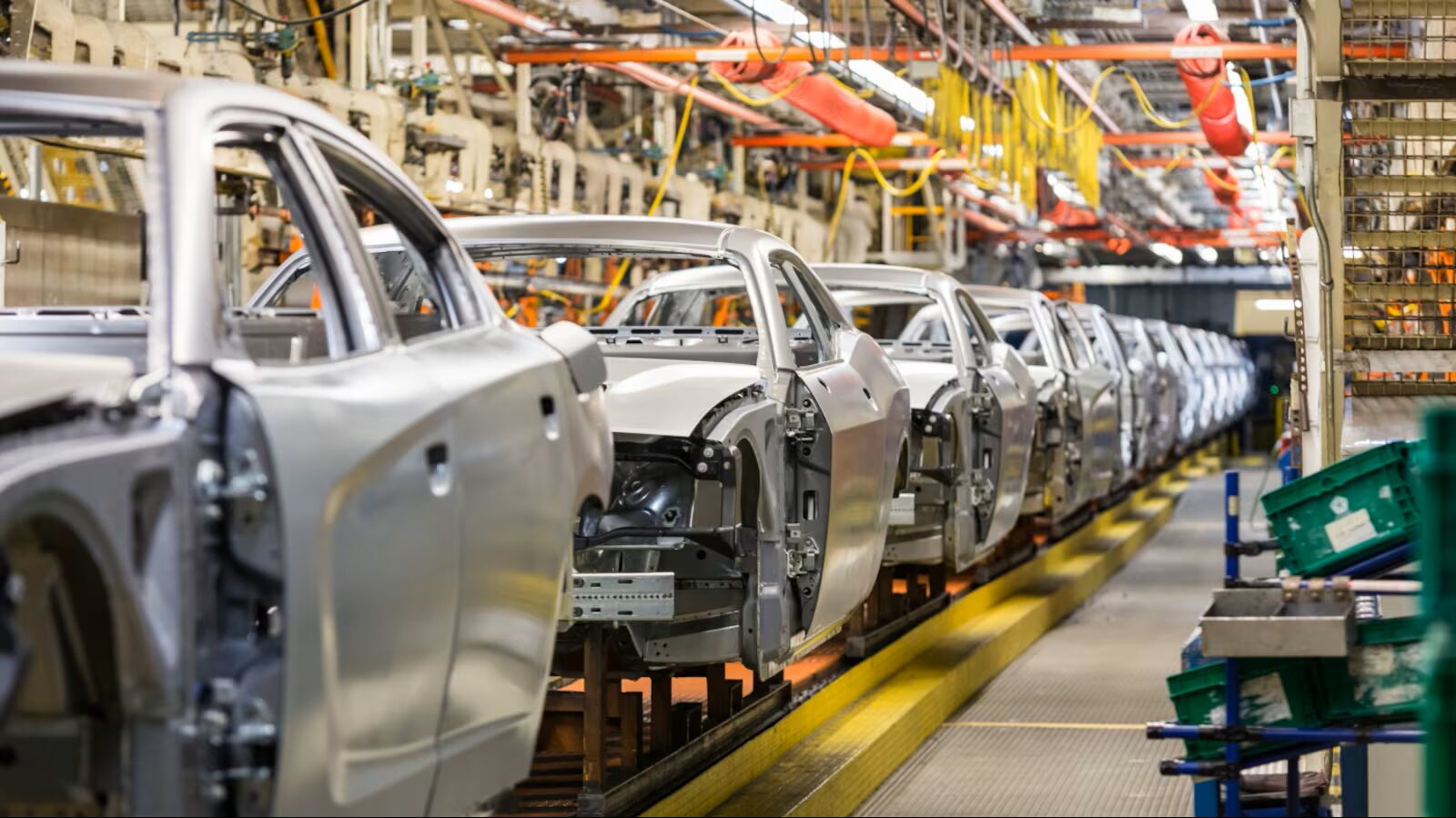
China EV Price War Crackdown: Beijing Signals End to ‘Involution’ Era
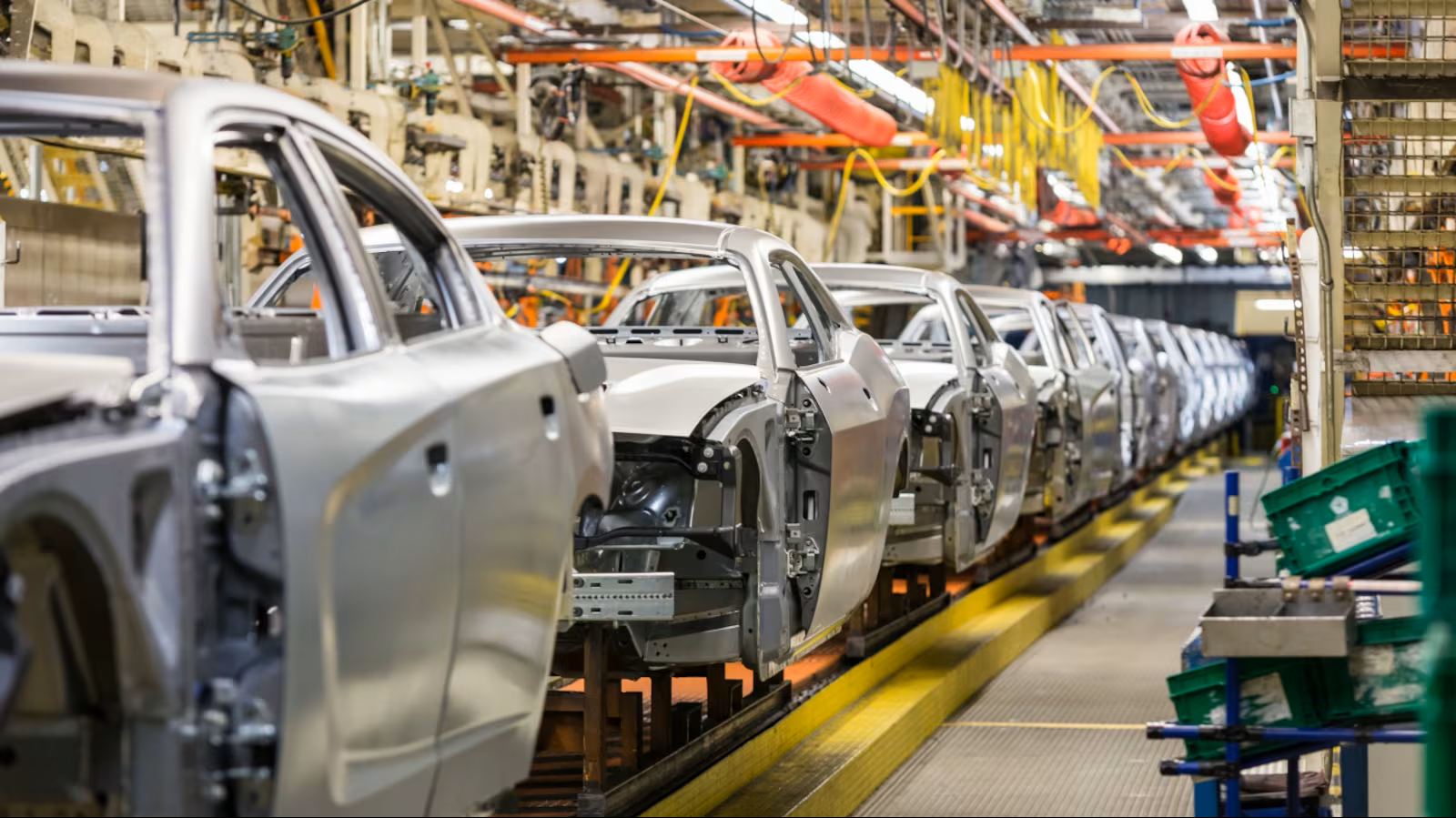
China EV Price War Crackdown: Beijing Signals End to ‘Involution’ Era
Did China’s electric vehicle industry just lose its most powerful competitive weapon? In a move that stunned investors in late March, Beijing’s market regulators issued a sweeping directive to crush the involution-style competition that has driven EV prices down by nearly 20% year-over-year, threatening to rewrite the economics of the global automotive industry. This China EV price war crackdown represents a seismic shift from the hyper-growth strategy that has dominated the sector since 2023.
Beijing Draws the Line: Understanding the SAMR Directive
On March 30, 2025, China’s State Administration for Market Regulation (SAMR) released a notification that specifically named the new energy vehicle sector in its crosshairs. The directive targets what Chinese industry insiders call neijuan (involution) – a destructive cycle of price slashing that has seen over 40 domestic brands engage in unsustainable discounting wars.
The Mechanics of ‘Involution’
Unlike healthy competition driving innovation, involution represents a race to the bottom. The SAMR notice specifically prohibits:
- Platform algorithms forcing vendors to sell below production costs
- Predatory subsidy wars disguised as consumer discounts
- Cross-subsidization tactics between lithium battery and vehicle manufacturing divisions
According to Reuters, this intervention comes as major players including BYD and SAIC Motor reported profit collapses exceeding 50% in Q4 2024 due to relentless price competition.
Global Trade Context
This regulatory intervention arrives at a critical juncture. Bloomberg News recently reported that Western markets have erected tariff barriers of up to 100% citing these unfair pricing practices. By voluntarily imposing pricing floors, Beijing may attempt to preempt further trade restrictions while stabilizing an industry bleeding an estimated $15 billion in collective losses.
Why This Matters to Western Markets
For US and European stakeholders, the China EV price war crackdown signals a fundamental shift in competitive dynamics.
Margin Relief for Legacy Automakers
Western OEMs have struggled to compete with Chinese EVs priced 30-40% below equivalent Western models when accounting for state subsidies. If Beijing enforces cost-based pricing floors, companies like Volkswagen, Ford, and Stellantis may finally see competitive breathing room in their home markets.
Supply Chain Stabilization
The directive specifically mentions lithium batteries alongside EVs. With CATL and BYD previously locked in brutal margin wars, battery costs – constituting 40% of EV manufacturing expenses – may stabilize or even rise, affecting global OEM procurement strategies.
The Geographic Pivot: Production Partnerships Replace Price Wars
While Beijing clamps down on domestic pricing, Chinese brands are accelerating technology export strategies that circumvent tariff barriers entirely.
The Stellantis-Leapmotor Precedent
Bloomberg confirms that Stellantis is negotiating with Leapmotor to produce EVs at the former’s idle Brampton, Ontario facility. This represents a watershed moment: rather than exporting finished vehicles subject to tariffs, Chinese EV technology seeks local production footholds.
Internal Link Suggestion: See our analysis on European EV Tariff Strategy and Chinese Market Response
Chery’s South Africa Gambit
Similarly, Reuters reports that Chery plans to activate its acquired South African plant by 2027. These moves suggest Chinese automakers recognize that regulatory crackdowns at home necessitate geographic diversification abroad.
Recommended Reading
For deeper insight into how regulatory shifts reshape automotive economics, we recommend The Power Law: Venture Capital and the Making of the New Future by Sebastian Mallaby. While focused on venture capital, Mallaby’s analysis of market distortion and government intervention provides crucial context for understanding Beijing’s calculus in halting the price war.
Conclusion
The China EV price war crackdown marks the end of an era defined by hyper-subsidized growth. For Western investors and automakers, this shift offers both immediate relief and strategic warning. While pricing pressure may ease in the short term, the pivot toward localized production partnerships – exemplified by Stellantis-Leapmotor negotiations – suggests Chinese EV makers are evolving from price warriors to strategic integrators. The question is no longer whether Chinese EVs can compete on price, but whether Western markets are prepared for their next phase: competing on proximity.