China EV Value Chain Transformation: Ouyang Minggao’s Five Models Explained
China EV Value Chain Transformation: The Five Production Models Reshaping Global Automotive
What if the next Ford Model T moment is not happening in Detroit, but in Shenzhen? With Chinese electric vehicle exports surging over 70% year-over-year and domestic brands capturing 60% of the world’s largest auto market, the China EV value chain transformation represents more than a temporary market shift. According to Ouyang Minggao, Tsinghua University professor and China’s preeminent battery scientist, this revolution mirrors historical inflection points: Ford’s assembly line shifted power from Europe to America, Toyota’s lean manufacturing moved it to Japan, and now five distinct Chinese production models are cementing the industry’s Sino-centric future.
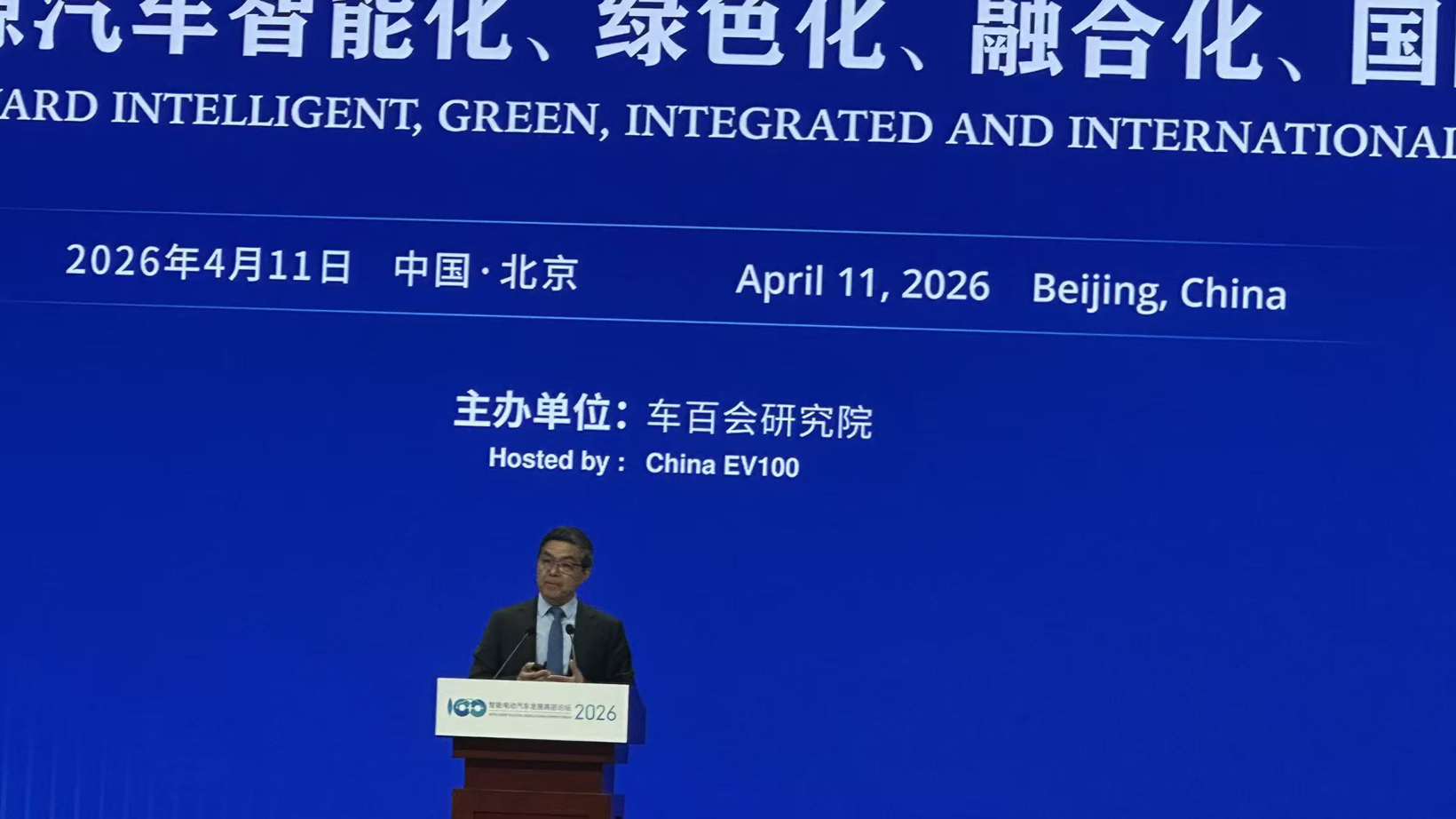
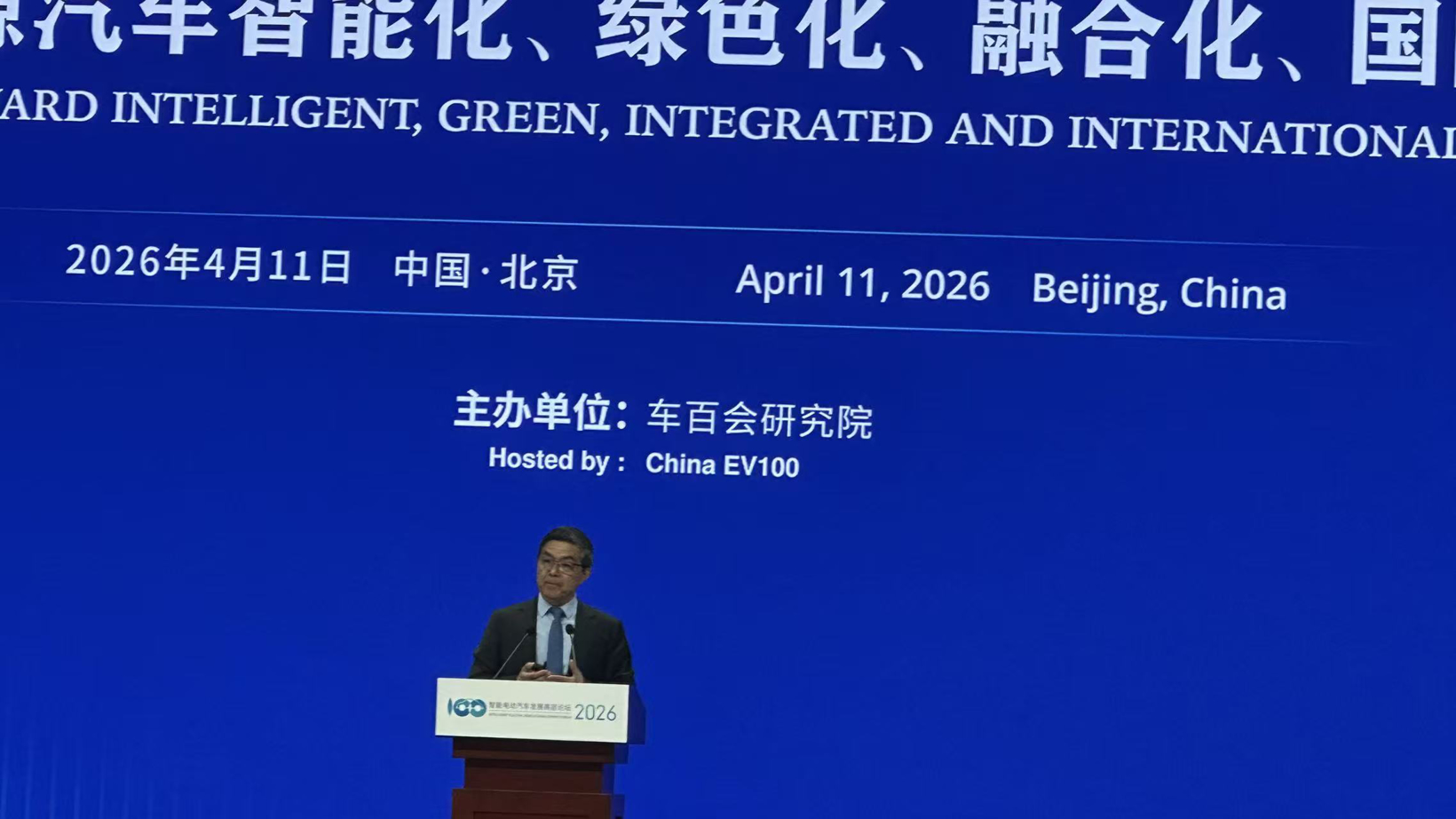
Speaking at the Intelligent Electric Vehicle Development Forum on April 11, Ouyang outlined why Western investors and automotive executives must view China’s dominance not as subsidy-driven overcapacity, but as a structural productivity revolution requiring new analytical frameworks.
The Historical Parallel: Why Production Models Determine Geopolitical Power
Ouyang’s analysis begins with a stark historical reminder: automotive leadership follows production innovation, not just technology invention. When Henry Ford pioneered the moving assembly line in 1913, he did not merely improve efficiency—he relocated the global automotive center from Europe to the United States. Similarly, when Toyota perfected lean manufacturing and just-in-time production post-1945, the epicenter shifted again, this time to Japan.
Today, China is not simply exporting cars; it is exporting production relations. The China EV value chain transformation involves deep restructuring of how vehicles are designed, manufactured, and monetized.
The Five Production Models Driving the Transformation
Model 1: Electrification-Led Vertical Integration
The first and most visible model represents the BYD approach: complete vertical integration spanning batteries, semiconductors, and final assembly. Unlike Western automakers who rely on tiered supplier networks, these Chinese giants control the entire technology chain.
- Deep Integration: In-house battery production (LFP and solid-state), chip design, and software stacks
- Cost Compression: Elimination of traditional supplier markups driving 20-30% cost advantages
- Speed to Market: Compressed development cycles from 48 months to under 18 months
This model has already achieved what Ouyang calls three-chain fusion—the integration of technology chains, industrial chains, and value chains into a unified ecosystem.
Model 2: The Dual-Wheel Drive Strategy
Legacy Chinese automakers like Geely and Great Wall employ a more conservative but equally powerful approach: simultaneously developing internal combustion engines and electric vehicles while balancing domestic and export markets. See our analysis on Geely’s hybrid strategy and European market entry.
Ouyang predicts this model will evolve rapidly: expect combustion engines to transition toward large-battery PHEVs (Plug-in Hybrid Electric Vehicles) while pure electric platforms dominate the premium segment. For Western investors, this represents a transitional hedge—companies capturing revenue from today’s ICE market while building tomorrow’s EV infrastructure.
Model 3: Internet-Native New Forces
NIO, Xpeng, and Li Auto exemplify the third paradigm: vehicles as smart terminals rather than mechanical products. These companies fuse internet thinking with automotive manufacturing, creating what Ouyang terms mobility service platforms rather than mere car companies.
- Direct-to-consumer sales models eliminating dealer networks
- OTA (Over-The-Air) updates generating recurring software revenue
- User ecosystems extending into smart homes and autonomous robotics
Crucially, Ouyang suggests these firms may eventually pivot from manufacturing to embodied intelligence—controlling autonomous vehicles, drones, and humanoid robots through unified AI platforms.
Model 4: Horizontal Integration and Value Chain Restructuring
Perhaps the most disruptive for Western incumbents is the emerging horizontal model. Rather than OEMs controlling production, this approach reorganizes the industry around intelligent capabilities and brand marketing, potentially creating cross-manufacturer alliances.
Ouyang specifically questioned whether battery-swapping infrastructure—exemplified by NIO’s expanding alliance with Changan and Geely—could become the nucleus for asset-light automotive production. In this scenario, manufacturing becomes commoditized while energy services and software integration capture premium margins.
This represents a fundamental inversion of the traditional automotive value chain, where hardware once dominated profits.
Model 5: State-Owned Enterprise Reform
The fifth model addresses China’s state-owned automotive giants (FAW, Dongfeng, Changan). Rather than viewing SOEs as bureaucratic dinosaurs, Ouyang frames their current restructuring—mergers, joint venture reforms, and cross-sector collaboration—as strategic positioning.
By combining state capital’s stabilizing function with private sector disruptive innovation, these entities serve as China’s regular army in the global expansion effort. Recent consolidation rumors suggest these players may absorb struggling foreign joint ventures while exporting Chinese-developed platforms under legacy Western brands.
Why This Matters: Implications for Western Markets
For American and European investors, understanding these five models is critical because they explain why tariffs and trade barriers may prove insufficient to protect domestic markets. The China EV value chain transformation has produced structural cost advantages that persist regardless of subsidy levels.
- Permanence: Unlike previous Japanese competition focused on quality, China’s advantage spans the entire value chain from raw materials to AI
- Scalability: Vertical integration allows Chinese firms to absorb margin compression that would bankrupt Western competitors
- Ecosystem Lock-in: Battery swap networks and charging infrastructure create high switching costs for consumers
As Reuters reported regarding recent EU tariffs, Chinese manufacturers maintain profitability even with 20-30% duties due to these production efficiencies.
Recommended Reading
To understand the battery technology competition underlying China’s automotive rise, consider reading The Powerhouse: America, China, and the Great Battery War by Steve Levine. This investigative work chronicles the race to dominate lithium-ion technology and provides essential context for why control of the battery supply chain determines automotive geopolitics.
Conclusion: The New Detroit is Shenzhen
Ouyang Minggao’s framework reframes China’s automotive dominance from a temporary market distortion to a permanent industrial restructuring. Just as Ford’s River Rouge Complex defined twentieth-century manufacturing, these five Chinese production models—vertical integration, dual-wheel strategy, internet-native services, horizontal value chains, and reformed state enterprises—are establishing the rules for twenty-first century mobility.
For Western investors and automotive professionals, the question is no longer whether China will dominate global EV markets, but which of these five production models will prevail—and how quickly Western incumbents can adapt to the new China EV value chain transformation.