Geely Premium EV Strategy: How Zeekr Disrupts the Luxury Market by 2030
Geely Premium EV Strategy: How Zeekr is Disrupting the Chinese Luxury Market
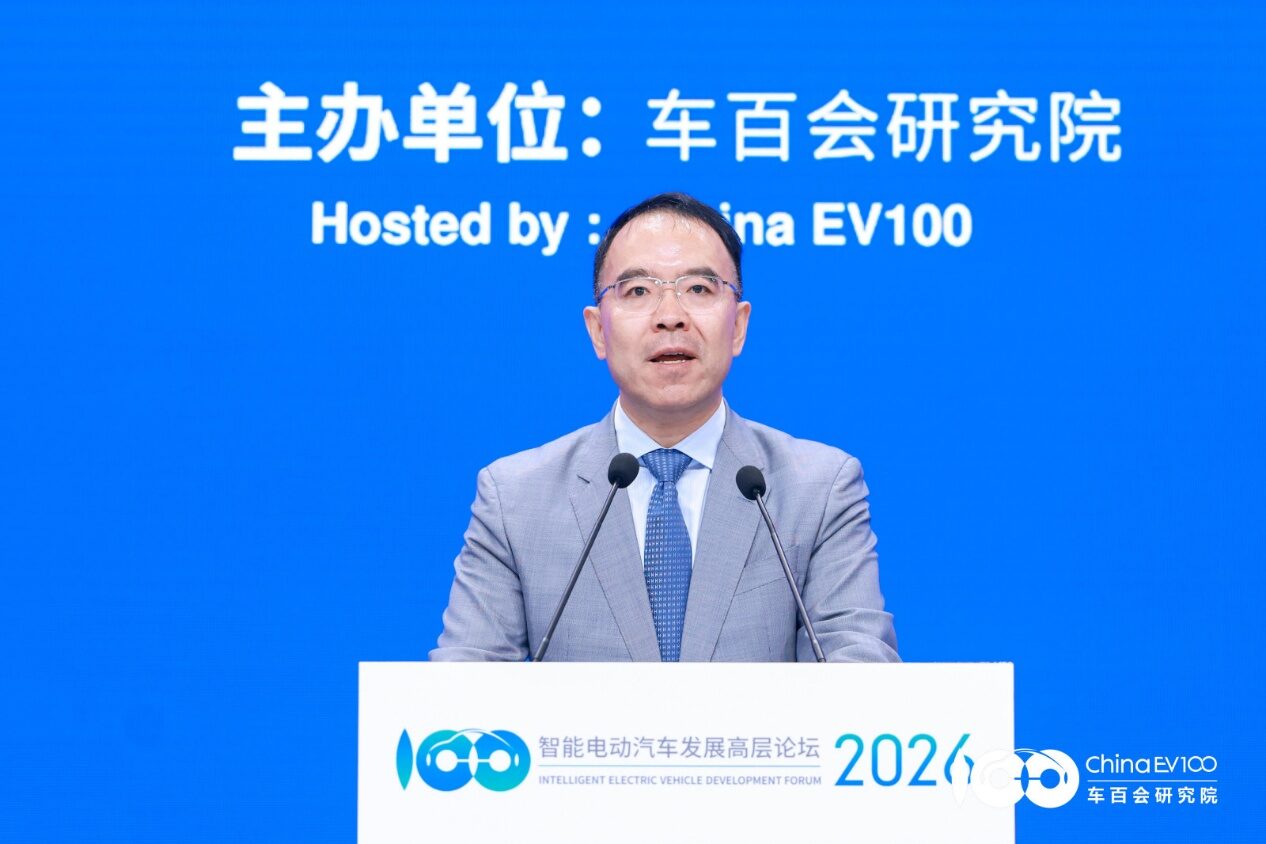
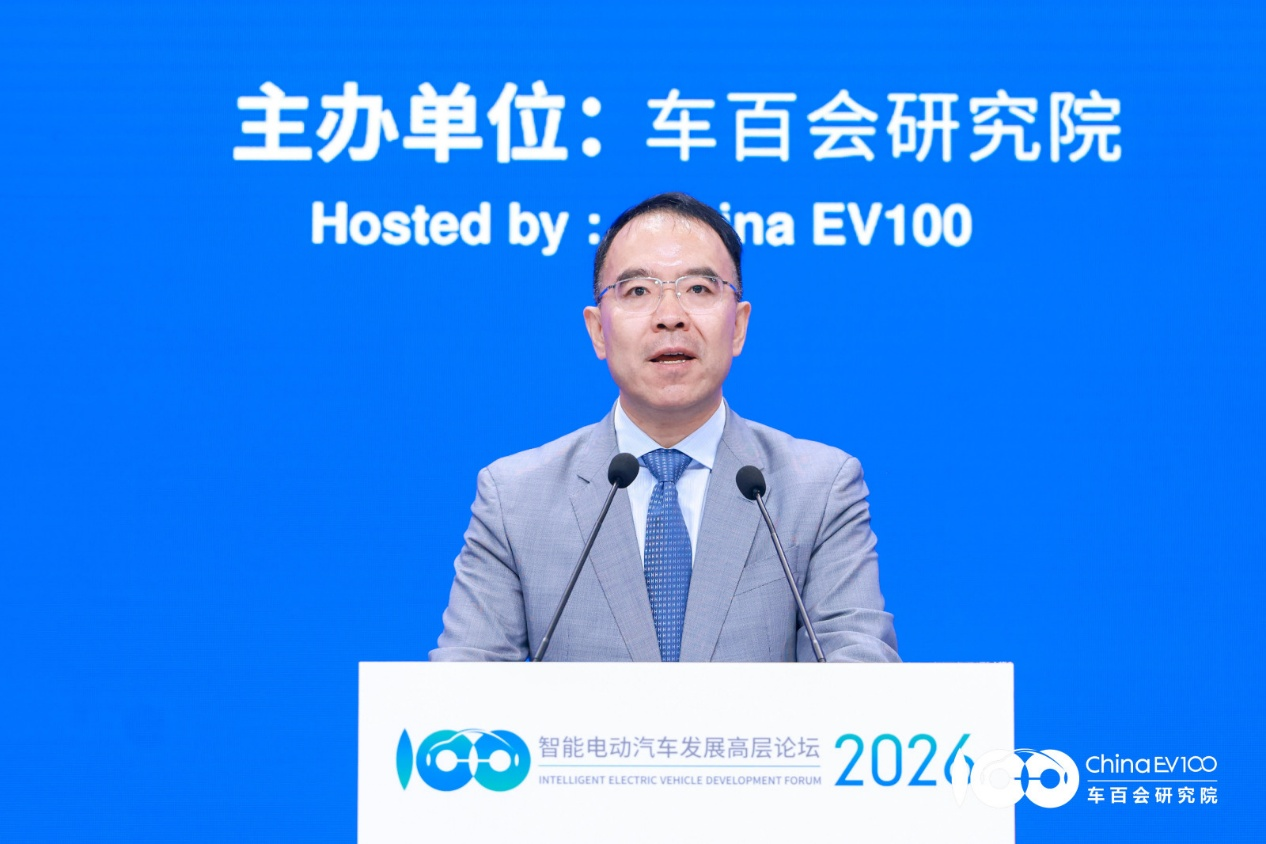
What happens when a Chinese automaker stops chasing volume and starts executing a premium EV strategy that steals customers from Mercedes, BMW, and Audi? At the recent Intelligent Electric Vehicle Development Forum 2026, Geely Holding Group unveiled data proving that Western luxury dominance in the world’s largest EV market is facing an existential threat.
The 2030 Vision: From Volume to Value
Geely is celebrating its 40th anniversary with a declaration of strategic war on the premium segment. Under the Taizhou Declaration framework, the company announced its One Geely, Comprehensive Leadership 2030 roadmap. The targets are staggering: 6.5 million global vehicle sales, revenue exceeding 1 trillion yuan (approximately $138 billion USD), and a top-five global ranking by volume.
But volume is not the endgame. With new energy vehicles targeted to comprise 75% of sales and overseas markets accounting for over one-third of volume, Geely is executing a deliberate pivot from value-for-money to value creation. According to Reuters, this represents one of the most aggressive premiumization strategies in automotive history.
Zeekr’s Premium Assault: Data That Worries Stuttgart
Zeekr, Geely’s global luxury technology brand, has become the tip of this spear. With cumulative deliveries hitting 720,000 units and an average selling price exceeding 300,000 yuan ($41,000), Zeekr has transcended the budget alternative label that plagued earlier Chinese exports.
The 9X Phenomenon: Conquest Sales from BBA
The Zeekr 9X large SUV is rewriting luxury market rules. For four consecutive months, it has dominated its segment, with March deliveries surpassing 10,000 units at an average transaction price of 530,000 yuan ($73,000). Critically for Western incumbents, over 80% of 9X buyers are conquest customers migrating from traditional German luxury brands—specifically Mercedes-Benz, BMW, Audi, Porsche, and Land Rover.
This is not merely product substitution; it is brand elevation. As noted by Bloomberg analysts, Zeekr has successfully penetrated the immune zone previously thought protected by heritage luxury marques.
The 8X Pre-Sale Tsunami
Following the 9X success, the Zeekr 8X launched pre-sales with devastating effect: 30,000 orders in under 48 hours. This demand surge suggests Geely’s flagship matrix—comprising the Zeekr 009, 009 Grand, 9X, and 8X—has achieved product-market fit in the ultra-premium segment.
Why Western Investors Must Pay Attention
This is not a regional phenomenon. Geely’s strategy leverages its acquisitions—Volvo, Lotus, and Polestar—to transfer premium manufacturing DNA into Zeekr while maintaining Chinese cost efficiency and software agility. For Western investors, this creates a dual threat:
- Margin Compression: As Zeekr captures 80% of its sales from former BBA owners inside China, traditional luxury OEMs face pricing pressure in their largest profit pool.
- Export Tsunami: The 2030 target of one-third overseas sales implies Zeekr will soon challenge European and American markets directly, armed with Volvo-derived safety ratings and superior software integration.
- Technology Leapfrogging: Zeekr enters global markets with 800V architecture, autonomous driving capabilities, and battery technology that matches or exceeds Tesla’s specifications.
Internal Link: See our analysis on Tesla’s declining market share in China’s premium EV sector for comparative intelligence.
Beyond Batteries: The Green Methanol Gambit
While Zeekr captures headlines with battery-electric luxury, Geely Chairman Li Shufu has simultaneously advanced a green methanol ecosystem. This alternative fuel pathway represents a hedge against battery material constraints and offers potential solutions for heavy-duty transport and cold climates where BEVs underperform.
According to Financial Times coverage, this dual-track approach—dominating BEVs while pioneering methanol—demonstrates strategic depth rare among automotive conglomerates.
Recommended Reading
For deeper insight into how Chinese companies are rewriting global business rules, we recommend China’s Disruptors: How Alibaba, Xiaomi, Tencent, and Other Companies are Changing the Rules of Business by Edward Tse. Available on Amazon, this book provides essential context for understanding the strategic playbook Geely is executing.
Conclusion: The Premium Paradigm Has Shifted
Geely’s premium EV strategy, crystallized through Zeekr’s market performance, marks an inflection point. The data is unambiguous: Chinese manufacturers can now command pricing power in segments historically reserved for European heritage brands. For stakeholders in legacy automakers, the message is clear—adaptation must accelerate, because the 2030 timeline Geely has set leaves little room for gradual transition.