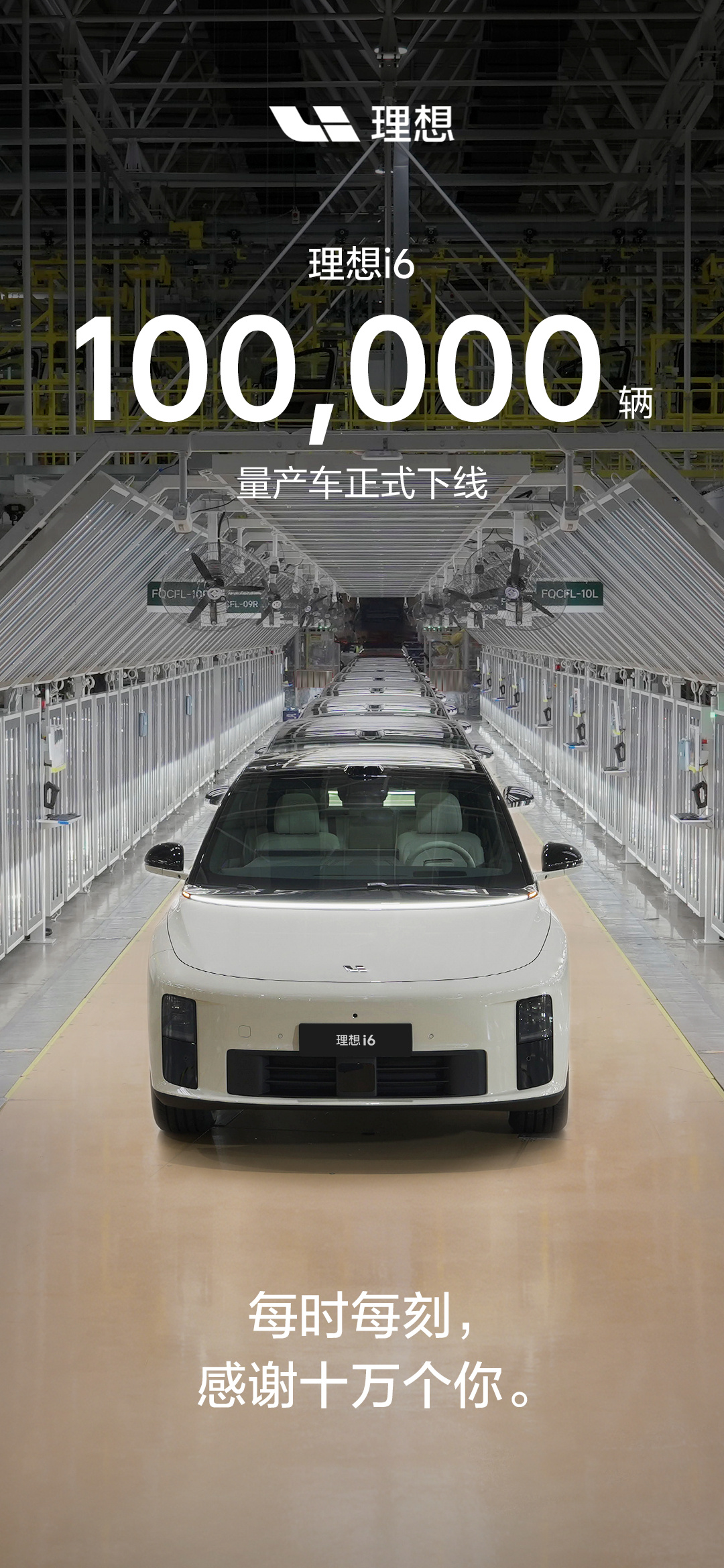
Li Auto i6 Production Milestone: 100,000 Units and the Speed Challenging Western EV Manufacturing
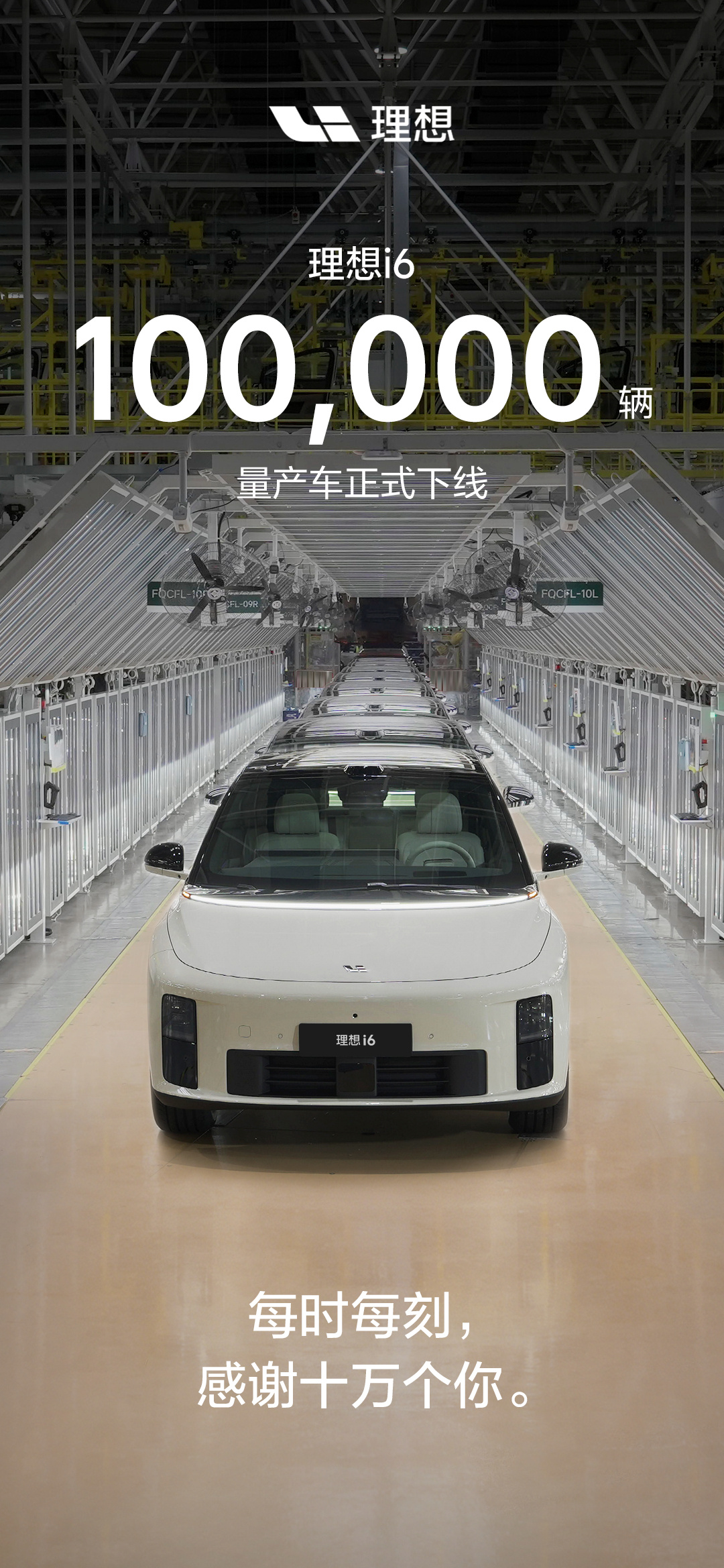
Li Auto i6 Production Milestone: 100,000 Units and the Speed Challenging Western EV Manufacturing
While Western automakers grapple with factory retooling delays and labor union negotiations that stretch for months, Li Auto just achieved what many thought impossible: the 100,000th unit of its i6 pure electric SUV rolled off the production line on April 10, mere months after launch. This Li Auto i6 production milestone isn’t just a corporate celebration—it is a stark reminder of the manufacturing velocity gap separating China’s EV ecosystem from its Western counterparts.
For investors and industry observers in the US and EU, this milestone signals more than robust demand. It reveals a supply chain agility and production scalability that legacy OEMs are struggling to replicate. As Li Auto reports that i6 deliveries alone exceeded 24,000 units in March, positioning the model at the top of the 200,000–300,000 RMB ($27,500–$41,000) pure electric SUV segment, the question isn’t whether Chinese EVs can compete globally—it’s whether Western manufacturing can keep up.
The 100,000 Unit Milestone: Context for Western Markets
Li Auto’s announcement that its 100,000th i6 completed production on April 10 represents a velocity rarely seen in automotive manufacturing. To put this in perspective for Western audiences, reaching six-figure production volumes typically takes legacy automakers 18–24 months for new EV platforms, often hampered by battery supply constraints and software integration issues.
- Timeline Acceleration: The i6 achieved this milestone in under a year since volume production began, according to company data reported by Reuters automotive sector monitors.
- Monthly Run Rate: With over 24,000 i6 units delivered in March alone, Li Auto is demonstrating sustained production capacity that rivals Tesla’s Shanghai Gigafactory ramp during its peak growth phase.
- Quality Consistency: Unlike early Western EV launches plagued by recalls, Li Auto simultaneously hit 1,635,357 cumulative deliveries across its fleet, suggesting mature quality control systems at scale.
See our analysis on how NIO’s battery swap infrastructure competes with Li Auto’s charging strategy.
Manufacturing Velocity: Why Speed Matters
The Li Auto i6 production milestone highlights a critical competitive advantage that Chinese EV makers hold over Western rivals: ecosystem integration speed. While Volkswagen and Ford announce billion-dollar battery plant partnerships that take years to materialize, Li Auto leverages China’s vertically integrated supply chain to compress development cycles.
Supply Chain Localization
Li Auto sources over 90% of components within a 200-mile radius of its Changzhou manufacturing base, according to Bloomberg supply chain analysis. This proximity eliminates the shipping delays and tariff uncertainties plaguing Western manufacturers dependent on transcontinental battery logistics.
Software-Hardware Convergence
The i6’s rapid scaling also reflects China’s advantage in software-defined vehicle architecture. By controlling its AD Max autonomous driving stack and in-house operating system, Li Auto avoids the vendor integration delays that slowed the Volkswagen ID. series and other Western EV launches.
Market Positioning and Financial Implications
Li Auto’s March delivery figures—41,053 vehicles total with 95,142 units for Q1—paint a picture of a company successfully navigating the transition from range-extended hybrids (EREVs) to pure battery electric vehicles. The i6 now anchors the company’s EV strategy in the crucial premium mid-size SUV segment.
- Price Positioning: At 200,000–300,000 RMB, the i6 undercuts the Tesla Model Y by approximately 15% while offering comparable range and superior interior space, according to CNBC market comparisons.
- Sibling Synergy: The i8 model saw orders grow over 100% month-over-month in March, indicating that i6 production efficiency is creating halo effects across Li Auto’s pure electric lineup.
- Margin Protection: Despite aggressive pricing, hitting 100,000 units suggests Li Auto has achieved manufacturing cost curves that protect margins—a critical concern for Western EV startups burning cash at scale.
The Competitive Landscape: Tesla vs Li Auto
The Li Auto i6 production milestone arrives as Tesla faces increasing headwinds in China. While Tesla’s Shanghai facility remains the company’s most efficient plant globally, local competitors are narrowing the gap. Li Auto’s combined fleet of 1.6 million cumulative deliveries places it firmly in China’s EV top tier, though still behind BYD’s massive volume.
However, Li Auto’s focus on the premium family SUV niche—traditionally dominated by BMW X3 and Mercedes-Benz GLC in Western markets—offers a different competitive threat than BYD’s broad market approach. The i6’s success proves Chinese manufacturers can dominate specific high-margin segments previously considered safe harbors for German luxury brands.
Investor Takeaways: Reading the Chinese EV Tea Leaves
For Western investors evaluating automotive stocks, the Li Auto i6 production milestone offers three critical insights:
- Production Scalability: Chinese EV makers have solved the manufacturing bottlenecks that constrained Western EV launches. This suggests future market share shifts may happen faster than traditional 5–7 year automotive cycles.
- Technology Parity: The i6’s rapid adoption indicates Chinese consumers now view domestic brands as technologically equal or superior to Western imports, removing the historical brand premium enjoyed by European and American manufacturers.
- Export Readiness: With 100,000 units of production experience, Li Auto possesses the manufacturing maturity necessary for aggressive European expansion—potentially disrupting EU markets before local battery factories achieve scale.
Recommended Reading
For readers seeking deeper insight into the geopolitical and industrial forces shaping this manufacturing race, I recommend The Powerhouse: America, China, and the Great Battery War by Steve Levine. This meticulously researched account traces how China’s early dominance in battery technology created the foundation for production milestones like Li Auto’s i6 achievement. Levine’s analysis of manufacturing velocity and supply chain control remains essential reading for anyone betting on the future of automotive markets.
As Li Auto continues scaling its i series production, Western industry observers must recognize that 100,000 units isn’t merely a number—it is a benchmark of ecosystem efficiency that legacy manufacturers must meet or risk obsolescence in the global EV transition.