NIO Battery Standardization Strategy: The 100 Billion Yuan Plan Reshaping China’s EV Industry
NIO Battery Standardization Strategy: The 100 Billion Yuan Plan Reshaping China’s EV Industry
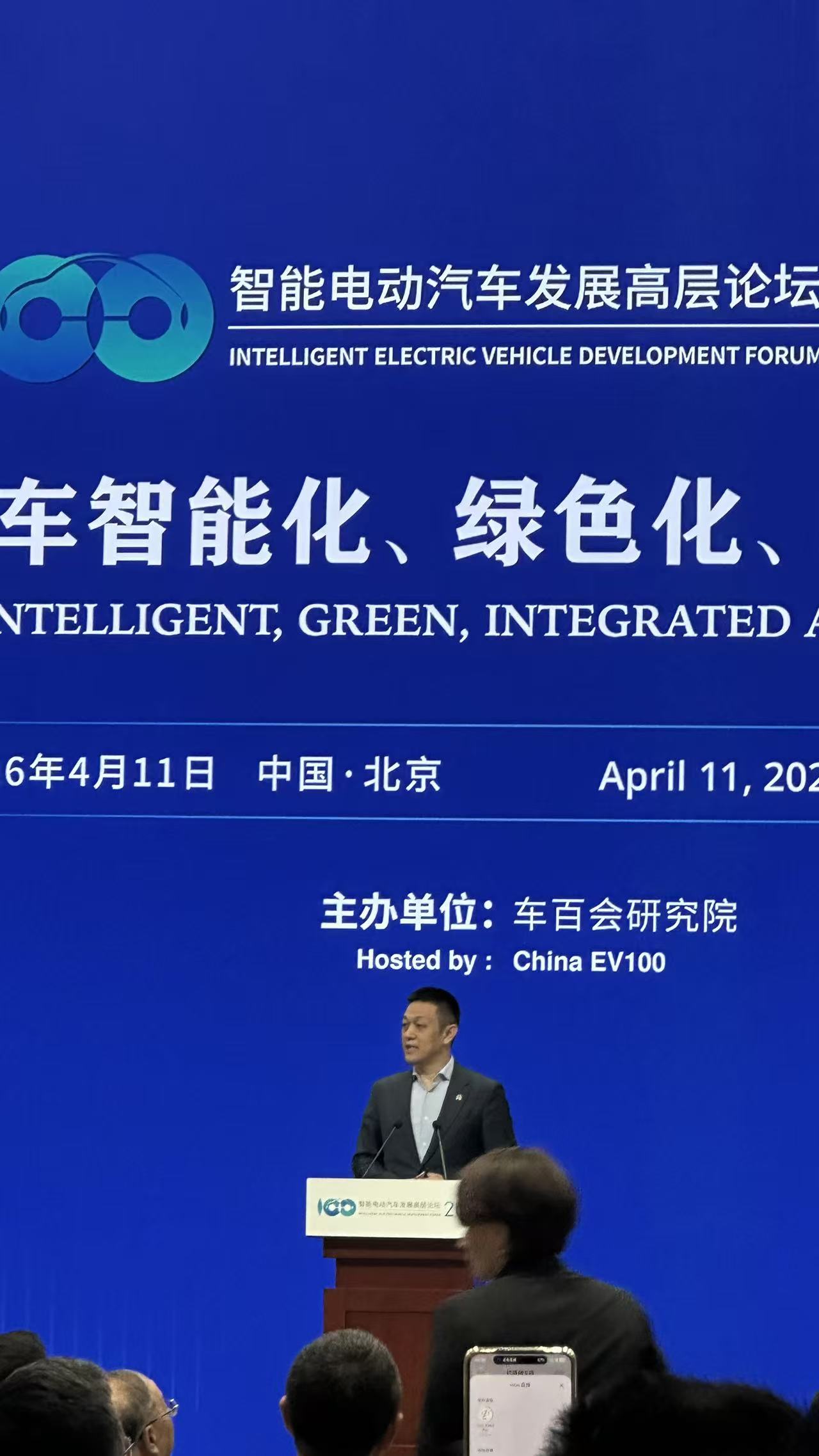
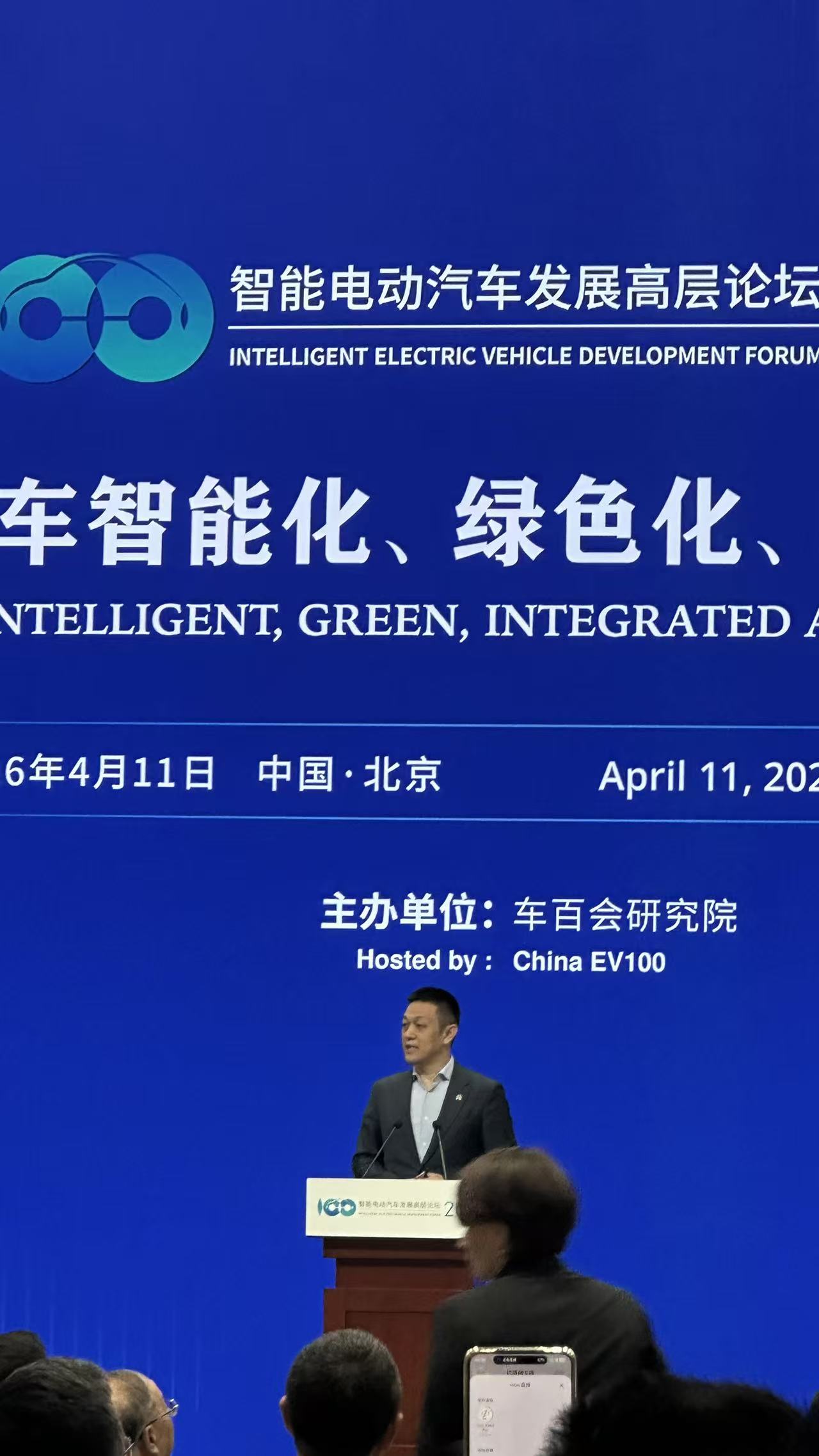
What if the secret to China’s electric vehicle dominance is not just cheaper labor, but a fundamental rewiring of the global automotive supply chain? At the Smart Electric Vehicle Development High-Level Forum on April 11, NIO CEO Li Bin dropped a bombshell that should send shockwaves through boardrooms from Detroit to Stuttgart: battery standardization and chip normalization could unlock over 100 billion yuan ($13.8 billion) in industry-wide cost savings, even as these two components currently devour more than 50% of total vehicle production costs.
Li Bin’s intervention comes at a critical moment. China’s EV sector is bleeding cash amid a brutal price war, with profit margins compressing to their thinnest levels in years. But rather than simply slashing prices, Li is proposing something far more radical and potentially disruptive for Western competitors.
The Margin Crisis Driving Standardization
According to Reuters, Chinese automakers are grappling with unprecedented profitability challenges as product iteration cycles accelerate dramatically. Li Bin highlighted this exact paradox: while rapid innovation fuels market growth, it simultaneously destroys supply-demand equilibrium, leaving manufacturers with inventory nightmares and ballooning R&D costs.
The current fragmentation is unsustainable, Li effectively argued, pointing to a system where bespoke battery cells and proprietary chip architectures have created a Tower of Babel scenario. Each new vehicle generation requires new supply chain configurations, erasing economies of scale before they can materialize.
Why Batteries and Chips Dominate Costs
The math is stark. In a typical smart electric vehicle, the battery pack and semiconductor components collectively account for over half of the bill of materials. This concentration creates vulnerability:
- Battery volatility: Lithium price fluctuations and non-standard cell formats prevent bulk purchasing power
- Chip complexity: Modern EVs use thousands of different semiconductor types, creating management nightmares
- Integration costs: Each unique combination requires custom engineering and testing
Battery Standardization: NIO’s Swap Station Gambit
Li Bin’s push for battery standardization is not theoretical it is central to NIO’s corporate survival strategy. The company has already invested billions in its Power Swap network, and standardization is the only path to profitability for this infrastructure play.
As reported by Bloomberg, NIO has recently expanded its Battery Swap Alliance to include major players like Changan, Geely, JAC, and Chery. This coalition aims to establish unified cell specifications and pack dimensions a direct challenge to the current fragmentation where even subsidiaries of the same parent company often use incompatible battery formats.
The Convergence Opportunity
Li noted that battery technology has basically converged, making standardization technically feasible for the first time. This convergence means:
- Unified cell-to-pack ratios across brands
- Shared manufacturing lines reducing CapEx requirements
- Interoperable swap stations increasing utilization rates
- Secondary market applications for retired batteries
Chip Normalization: China’s Semiconductor Endgame
While batteries grab headlines, Li’s emphasis on chip normalization reveals a deeper strategic imperative. The current trend toward highly fragmented chip architectures where vehicles incorporate dozens of different semiconductor types from multiple vendors is, in Li’s view, systematically destroying efficiency.
This fragmentation stems partly from Western sanctions and supply chain security concerns. As detailed in Financial Times, Beijing has mandated increased localization of semiconductor procurement, but this has initially resulted in a patchwork of domestic substitutes that lack interoperability.
The Localization Imperative
Li explicitly stated that chip normalization is the necessary path to improve localization rates. This suggests a two-phase strategy:
- Consolidation: Reduce the thousands of chip variants to a standardized set of platforms
- Substitution: Replace these standardized functions with Chinese-designed alternatives
For Western semiconductor giants like Infineon, NXP, and STMicroelectronics, this represents an existential threat. If Chinese EV makers standardize on domestic chip architectures, the addressable market for European and American suppliers could shrink by billions of dollars annually.
Western Investors: Threats and Opportunities
For US and European investors, Li Bin’s 100-billion-yuan cost-cutting roadmap signals a fundamental shift in competitive dynamics. See our analysis on CATL vs BYD: The Battery Technology Race
The Supply Chain Squeeze
Standardization typically commoditizes suppliers. If Chinese EV makers successfully implement unified battery standards, premium pricing for differentiated cell technologies collapses. This puts pressure on Western battery material suppliers and equipment manufacturers who rely on bespoke, high-margin contracts.
Similarly, chip normalization coupled with China’s aggressive domestic semiconductor subsidies threatens to freeze out Western analog and power management chip vendors from the world’s largest EV market.
Strategic Positioning
However, standardization also creates opportunities:
- Component leaders: Companies that can dominate standardized categories (like specific power semiconductors) will capture massive volume
- Software plays: As hardware commoditizes, value migrates to software-defined vehicle platforms
- Swap infrastructure: If NIO’s battery swap standard becomes the dominant protocol in China, Western automakers may be forced to license the technology
Recommended Reading
To understand the geopolitical dimensions of Li Bin’s chip normalization strategy, we recommend Chip War: The Fight for the World’s Most Critical Technology by Chris Miller. This Pulitzer Prize-finalist book provides essential context on how semiconductor supply chains shape global power dynamics and why China’s push for standardization represents a direct challenge to the existing technological order.
Available on Amazon.