NIO’s $300M Nvidia Dependency: Inside the In-House Chip Strategy Reshaping Chinese EVs
NIO’s $300M Nvidia Dependency: Inside the In-House Chip Strategy Reshaping Chinese EVs
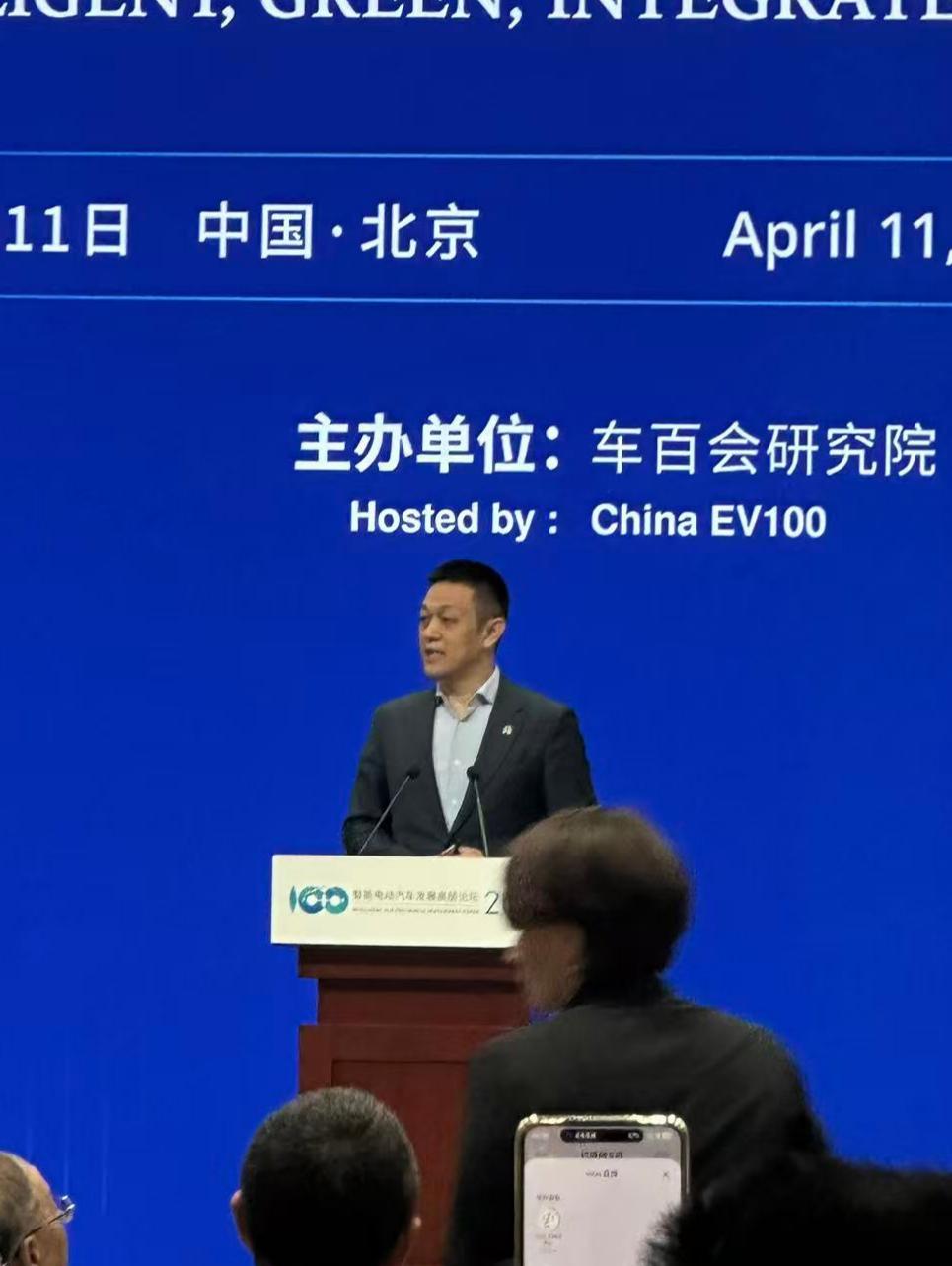
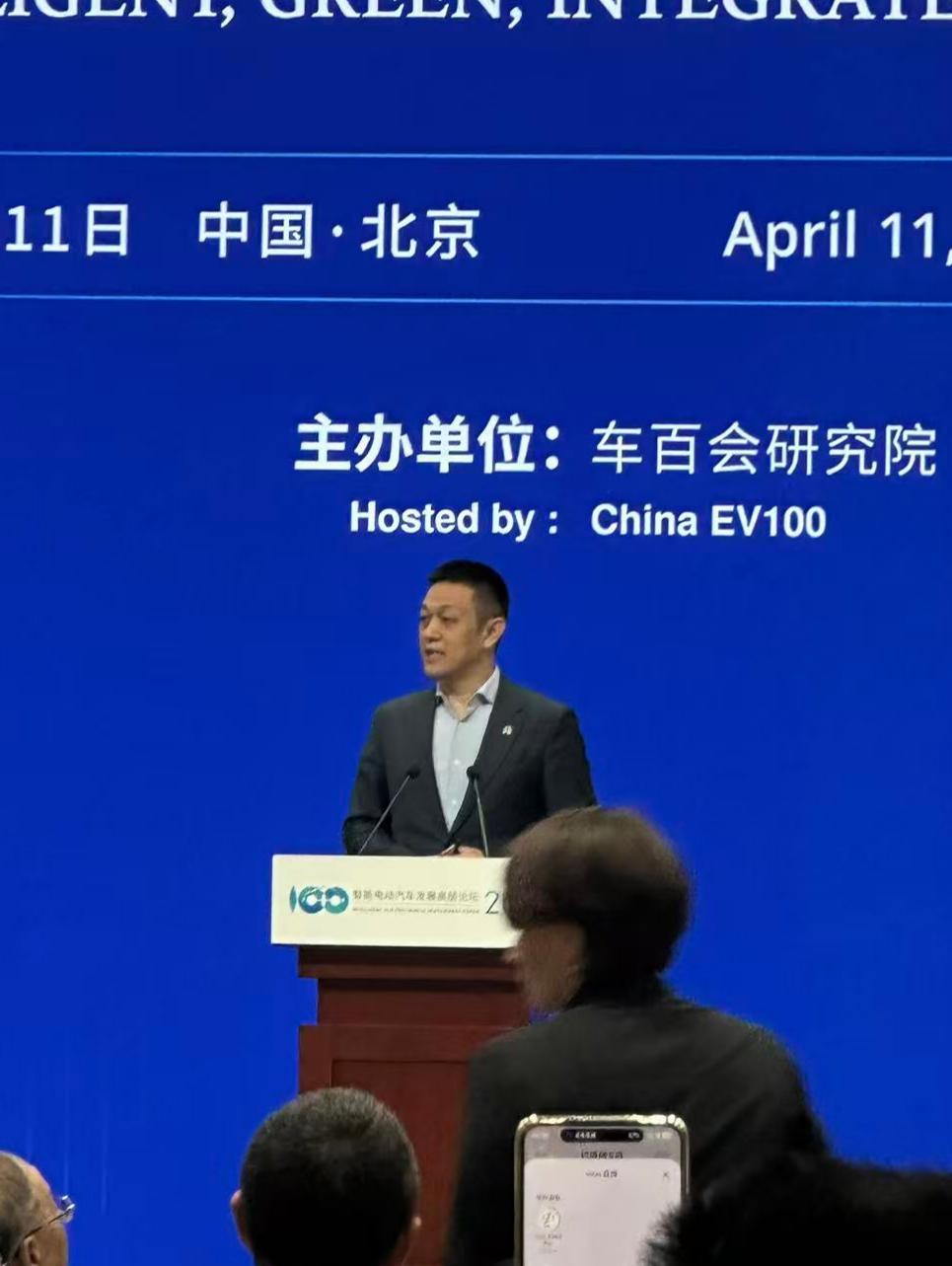
What happens when a Chinese EV maker spends $300 million annually on a single American supplier? For NIO, this was not a hypothetical scenario but a strategic vulnerability that CEO William Li is now dismantling through an aggressive NIO in-house chip strategy. At the 2026 Intelligent Electric Vehicle Development Forum, Li revealed that peak procurement of Nvidia chips reached $300 million per year—a figure that exposes the hidden costs behind China’s autonomous driving ambitions and explains why the company is betting billions on silicon independence.
The $300 Million Silicon Shackles
Li’s disclosure provides rare transparency into the economics of advanced driver-assistance systems (ADAS). While consumers focus on NIO’s luxury interiors and battery-swapping networks, the company’s internal management reports tell a different story: external semiconductor dependency was hemorrhaging cash. At peak usage, NIO purchased $300 million annually from Nvidia alone to power its autonomous driving computing platforms.
This revelation comes as Reuters reports on tightening US export controls affecting advanced AI semiconductor shipments to China. The restrictions have made continued reliance on American suppliers both prohibitively expensive and strategically precarious for Chinese automakers targeting autonomous driving leadership.
From Procurement to Production: The Vertical Integration Play
Li’s rationale for the shift is ruthlessly economic. ‘If we continued external procurement with our 40-50% annual sales growth, purchasing costs would become unsustainable,‘ he explained. ‘Self-developed chips convert variable costs into fixed R&D investments—a trade-off that becomes cost-effective once production scales.‘
According to Bloomberg’s analysis of NIO’s semiconductor strategy, the company’s NX9031 self-driving chip represents a direct challenge to Nvidia’s dominance in automotive AI. By designing its own silicon, NIO aims to reduce per-unit costs while insulating itself from geopolitical supply shocks that could cripple production.
The Break-Even Calculus
The transition requires massive upfront investment, but Li argues the math is compelling: ‘With hundreds of thousands of units deployed this year, the economics have already turned favorable.‘ This mirrors Tesla’s vertical integration playbook but extends further into the supply chain, addressing what the Financial Times identifies as China’s urgent push for technological sovereignty in critical automotive components.
Why Western Investors Should Watch Closely
For US and European stakeholders, NIO’s semiconductor pivot signals a fundamental restructuring of the global automotive chip market.
Tariff Risks and Margin Protection
As Washington considers additional tariffs on Chinese EVs and Beijing retaliates with export restrictions, companies with domestic chip supply chains gain significant advantage. NIO’s move protects gross margins during China’s brutal EV price war while reducing exposure to potential technology sanctions that could disrupt competitors still dependent on Western silicon.
See our analysis on BYD’s vertical integration strategy and supply chain resilience to understand how Chinese market leaders are insulating themselves from Western technology restrictions.
The End of the Nvidia Monopoly?
If NIO succeeds, it creates a template for XPeng, Li Auto, and BYD to follow. Western semiconductor firms risk losing their largest growth market just as AI computing demands explode, potentially fragmenting the global automotive chip market into competing technological spheres. For investors holding positions in automotive semiconductor stocks, this represents an existential long-term threat to revenue growth projections.
Recommended Reading
To understand the geopolitical forces driving NIO’s $300 million technological divorce from Nvidia, we recommend Chip War: The Fight for the World’s Most Critical Technology by Chris Miller. This Economic Times Business Book of the Year explains why control over advanced semiconductors has become the central battleground in US-China relations—and why NIO’s in-house chip strategy represents the future of automotive manufacturing.