RoboSense LiDAR Market Analysis: How Robot Sensors Just Overtook Automotive
RoboSense LiDAR Market Analysis: The Moment Industrial Robots Overtook Passenger Cars
What happens when the sensors powering China’s autonomous vehicle boom find a more profitable home in lawnmowers and warehouse bots? Our RoboSense LiDAR market analysis reveals that in Q1 2026, Shenzhen-based RoboSense (速腾聚创) delivered a startling answer: its robot LiDAR division didn’t just grow—it exploded by 1,458.8% year-over-year to dominate revenue for the first time in company history, exposing a fundamental realignment in the global sensor supply chain that Western automakers and investors can no longer ignore.
See our analysis on how Hesai Group is responding to this industrial pivot to understand the shifting competitive landscape.
The Tipping Point: 56.2% and the Robot Revolution
According to RoboSense’s latest disclosure reported by Reuters, the company shipped 330,300 LiDAR units in Q1 2026, marking a 204.1% increase from the prior year. But the headline figure masks a structural transformation:
- Robot LiDAR Volume: 185,500 units (+1,458.8% YoY), representing 56.2% of total sales
- Automotive LiDAR: 144,800 units (43.8% mix), relegated to secondary status
- Margin Divergence: Robot business gross margin hit 39.7% versus just 19.1% for ADAS automotive
This marks the first quarter where industrial autonomy has overtaken passenger vehicle applications as RoboSense’s primary revenue driver—a trend Bloomberg Intelligence suggests could reshape Tier-1 supplier valuations across the Western automotive sector.
Why Western Investors Should Pay Attention
For US and European portfolio managers, this isn’t merely a Chinese operational detail. It represents a demand-side shock with three immediate implications:
1. Supply Constraint Redistribution
RoboSense’s manufacturing capacity—critical for both EV and robot markets—is being aggressively allocated to higher-margin industrial clients. As noted in a Financial Times analysis of Asian sensor markets, this creates potential bottlenecks for Western EV manufacturers still ramping LiDAR-dependent Level 2+ systems.
2. The Profitability Paradox
The 39.7% robot margin versus 19.1% automotive reveals a harsh truth: consumer vehicle LiDAR has become a commodity faster than anticipated, while industrial applications command premium pricing due to specialized durability requirements and lower volume sensitivity.
3. Market Leadership in Nascent Categories
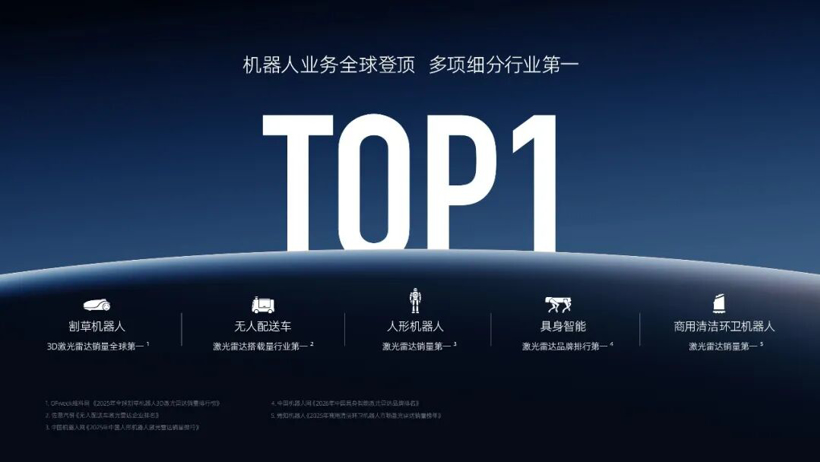
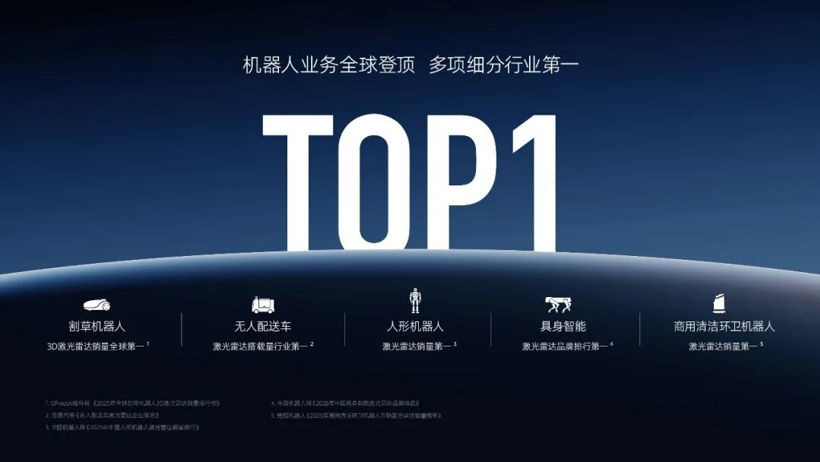
RoboSense has secured dominant positions in five high-growth robotics verticals:
- Autonomous lawn mowing
- Last-mile delivery bots
- Humanoid robotics
- Embodied AI systems
- Commercial cleaning robots
Automotive Isn’t Dead: The 200,000-Unit Pipeline
Despite the robot surge, RoboSense maintains formidable automotive momentum. The company holds design wins across 168 models from 35 OEMs, with over 200,000 units scheduled for delivery in 2026. Notably, the firm expects to debut its ‘blind spot’ (补盲) LiDAR solutions on L2 vehicles this year—potentially opening new addressable markets in entry-level autonomy.
The Active Camera Gambit: From Sensor to ‘Physical AI’
Perhaps most strategically significant is RoboSense’s planned 2026 launch of the Active Camera—a vision sensor category that signals the company’s evolution from component supplier to ‘physical AI infrastructure’ provider. This vertical integration strategy, moving beyond raw LiDAR hardware to perception systems, threatens to encroach on territory traditionally held by Western chipmakers and software vendors like Mobileye and Qualcomm.
Recommended Reading
For investors seeking to understand the macroeconomic forces driving this sensor market bifurcation, we recommend The Second Machine Age: Work, Progress, and Prosperity in a Time of Brilliant Technologies by Erik Brynjolfsson and Andrew McAfee. The MIT economists’ analysis of how automation technologies create winner-take-all market structures offers crucial context for evaluating RoboSense’s competitive moat in industrial LiDAR.
Conclusion: Recalibrating the LiDAR Investment Thesis
RoboSense’s Q1 2026 results force a reframing of the LiDAR investment narrative. The question is no longer which company wins the automotive autonomy race, but which sensor suppliers successfully diversify into the broader ‘physical AI’ economy. For Western stakeholders, the warning is clear: ignore the robot LiDAR market at your portfolio’s peril.