A New World Order? Rumors Swirl of Stellantis Tapping China’s Dongfeng for Next-Gen Jeep EVs
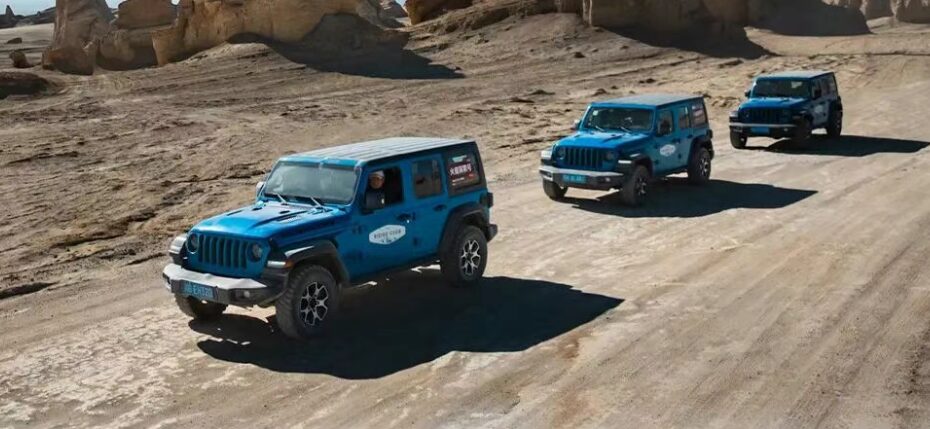
The global automotive landscape is shifting beneath our feet, and the latest tremor comes in the form of a potentially game-changing rumor out of China: Stellantis, the parent company of iconic brands like Jeep, Ram, and Peugeot, is reportedly in talks with Chinese state-owned giant Dongfeng Motor for a collaboration far deeper than any traditional joint venture. The whispers suggest Stellantis could leverage Dongfeng’s advanced electric vehicle platforms – developed for its premium Voyah (Lantu) and M-Hero (Mengshi) brands – to build the next generation of Jeep vehicles.
If true, this isn’t just another partnership. It signals the dawn of “Joint Venture 2.0,” an era where Chinese automakers transition from being recipients of foreign technology to becoming core technology exporters on the global stage. As an automotive market analyst based in China, watching this unfold is fascinating, especially considering Stellantis’s recent struggles in this hyper-competitive market and Jeep’s previous withdrawal. Let’s dissect this rumor and what it could mean for the industry, including players like Hyundai.
From Tech Taker to Tech Giver: The “JV 2.0” Paradigm Shift
(Image Alt Text: Stellantis Dongfeng partnership Jeep EV development rumor)
Traditional automotive JVs in China typically involved Western companies providing the vehicle platforms, technology standards, and engineering know-how, while the Chinese partner handled local production, sales networks, and supply chain management.
The rumored Stellantis Dongfeng partnership flips this script dramatically:
- Stellantis’s Role (Rumored): Leveraging its global brand heritage and engineering prowess, Stellantis would likely lead the overall vehicle styling and design, ensuring the new models look and feel like a Jeep. Crucially, they would also handle the chassis tuning to maintain Jeep’s legendary off-road capability and brand DNA.
- Dongfeng’s Role (Rumored): Dongfeng wouldn’t just assemble cars. It would become a key technology supplier, providing the core EV architecture. This includes the “three electrics” – battery, motor, and electronic control systems – likely derived from its high-end Voyah and M-Hero platforms. Dongfeng is also expected to contribute its advanced smart cabin technology, a critical factor for success in the tech-savvy Chinese market.
This potential division of labor underscores a significant power shift. It suggests that Chinese companies have achieved a level of technological maturity, particularly in EV and smart vehicle domains, where they can offer valuable, cutting-edge solutions back to established global players.
Cautious Words and Volkswagen Echoes
Predictably, both companies are remaining tight-lipped.
- Dongfeng stated: “Currently, Dongfeng and Stellantis are maintaining communication… the specific content circulating online is speculation or rumor. Dongfeng Auto will make timely announcements in strict accordance with listed company rules…”. This response neither confirms nor outright denies the talks.
- Stellantis followed the typical corporate playbook: “We do not comment on online rumors”.
Despite the cautious official stances, the industry sees a strong rationale behind the speculation. Stellantis desperately needs a viable path forward in China, where its market share has dwindled. For Jeep, a brand that previously exited local production, this offers a potential comeback route armed with relevant EV technology.
This situation echoes Volkswagen’s strategic pivots in China. Facing similar pressures, VW struck deals with XPeng for E/E architecture co-development and is leveraging SAIC’s platforms for certain models (read more about VW’s China strategy here: [Internal Link to VW ‘In China for China’ post]). It seems the survival playbook for legacy automakers in China now involves swallowing pride and embracing collaboration with local tech leaders.
Opportunity Knocks, But Risks Abound
If the Stellantis Dongfeng partnership materializes, it presents both immense opportunities and significant risks:
Potential Upsides:
- For Stellantis: Faster EV product deployment in China, reduced R&D costs and time, access to localized smart tech appealing to Chinese consumers.
- For Dongfeng: Global validation of its technology, potential licensing revenue, enhanced brand image, and leveraging Stellantis’s global reach (though the rumor focuses on China first).
- For the Industry: A blueprint for a new, more balanced “JV 2.0” model; acceleration of global EV adoption through shared tech.
Potential Downsides:
- For Stellantis: Risk of diluting the iconic Jeep brand identity, becoming overly reliant on Chinese technology, potential challenges in quality control and integration.
- For Dongfeng: Possible leakage of core intellectual property, potential loss of control in the collaboration, diverting resources from its own brands.
- For Competitors (like Hyundai): The emergence of a revitalized competitor (Jeep) armed with competitive Chinese EV tech, potentially intensifying price wars, especially in the growing electric SUV/off-road segment.
As a Tier 1 supplier, this potential shift is critical. A Jeep built on a Dongfeng platform might require different components, different integration processes, and adherence to new technical standards, impacting existing supply chains and demanding adaptability.
Conclusion: Smoke Signals in the Fog
The Stellantis Dongfeng partnership rumor for Jeep development remains unconfirmed, shrouded in corporate caution. However, the mere existence of such speculation is a powerful indicator of the tectonic shifts occurring in the global auto industry. China is no longer just the world’s largest market; it’s rapidly becoming a source of core automotive innovation, particularly in the EV and smart vehicle space.
As Volkswagen has already demonstrated, survival for global giants in China may increasingly depend on deep, technology-sharing alliances with local players (read about the broader trend here: [Internal Link to ‘China’s Automotive Great Transformation’ post]). Whether Stellantis follows suit with Dongfeng, and how effectively such a partnership could rejuvenate the Jeep brand in China, remains to be seen. But one thing is clear: the old rules of engagement are being rewritten, and the implications for competitors like Hyundai and the entire automotive hierarchy could be profound.