US Pickup Trucks Face EU Import Restrictions: Detroit’s Profit Engine Under Threat
US Pickup Trucks Face EU Import Restrictions: Detroit’s Profit Engine Under Threat
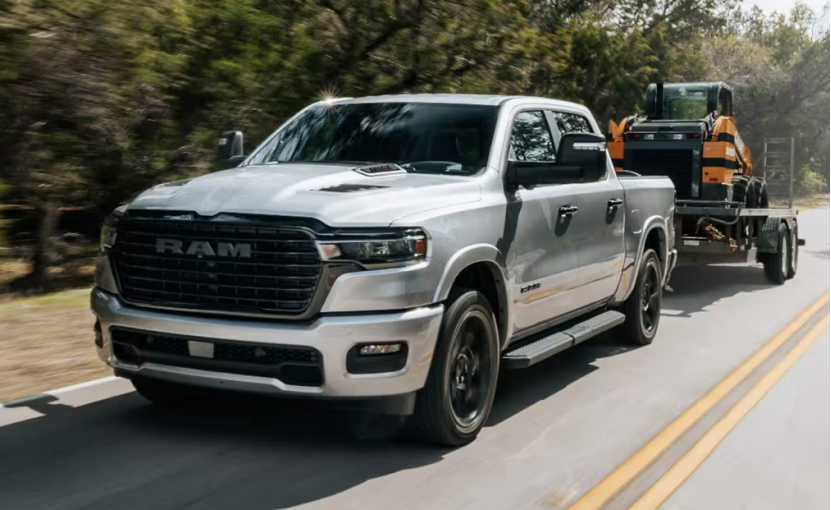
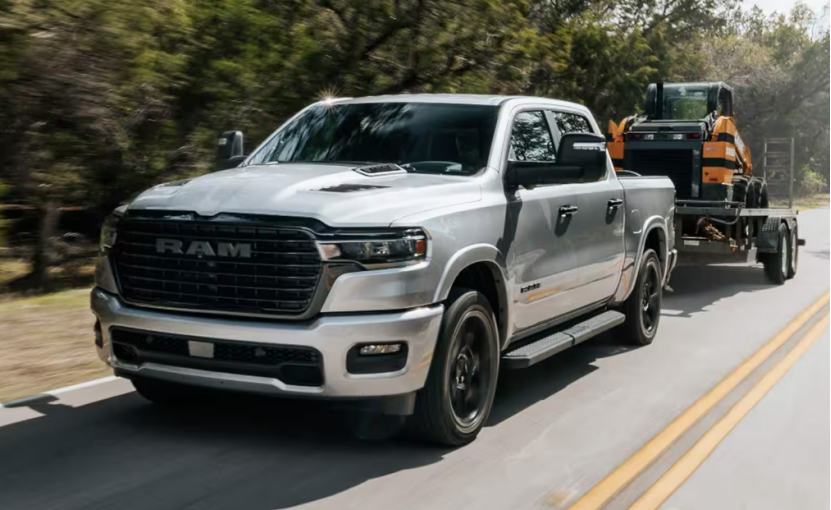
What happens when regulators target the vehicles that generate nearly two-thirds of Detroit’s profits? A brewing trade conflict suggests the answer could reshape transatlantic automotive commerce. US pickup trucks face EU import restrictions as Brussels moves to tighten the Individual Vehicle Approval (IVA) framework, threatening Ford, General Motors, and Stellantis’s ability to sell high-margin large pickups like the F-150 and Ram 1500 in European markets.
According to Financial Times reporting from April 8, the European Commission plans to revise IVA rules by 2027, potentially blocking the loophole that allowed approximately 7,000 American large pickups to enter Europe in 2024. While these volumes appear insignificant compared to domestic sales, analysts estimate these vehicles command margins exceeding $15,000 per unit, making this regulatory skirmish disproportionately consequential for Detroit’s bottom line.
The IVA Loophole: How Detroit Circumvents EU Type Approval
Currently, American full-size pickups enter Europe under the Individual Vehicle Approval (IVA) framework, a regulatory pathway designed for small-volume imports. Unlike full Type Approval, which requires expensive homologation processes including crash testing and emissions certification for mass production, IVA allows single vehicles or small batches to bypass comprehensive fleet-average emissions calculations.
- Current Path: US manufacturers export trucks under IVA, avoiding EU fleet CO2 targets that would penalize their high-consumption vehicles
- Volume Cap: The framework permits limited imports without requiring full-scale emissions compliance
- Market Reality: In 2024, Europeans purchased roughly 7,000 large US pickups, with Ram capturing 5,200 units (74% market share), according to Transport & Environment data
The proposed regulatory tightening would effectively close this pathway, forcing American trucks to undergo full certification—a process industry insiders say would render the vehicles uncompetitive due to compliance costs and technical modifications required for EU pedestrian safety standards.
Beyond Tariffs: The Rise of Non-Trade Barriers
This dispute highlights a critical evolution in global trade warfare. While the Trump administration negotiated tariff reductions—including a proposed reduction of EU auto tariffs from 10% to zero by August 2025—the EU appears to be substituting tariff walls with regulatory barriers.
US Ambassador to the EU Andrew Puzder characterized the move as violating the spirit of recent trade agreements, stating: “You cannot have low tariffs while erecting massive non-tariff trade barriers and claim to have a normal trading relationship.”
This strategy—replacing explicit tariffs with technical regulations—represents what trade economists call “regulatory protectionism.” For Western investors, this signals that even as headline tariff rates fall, market access can be restricted through safety standards, emissions rules, and certification complexity.
The Safety vs. Commerce Debate
European environmental lobby Transport & Environment argues that large US pickups pose disproportionate risks to pedestrians and cyclists, citing vehicle height and weight statistics. However, Detroit executives counter that these safety concerns mask protectionist intent designed to shield European manufacturers from competition in the profitable premium truck segment.
Investment Implications: Stellantis Most Exposed
For portfolio managers tracking automotive equities, the regulatory risk appears asymmetrically distributed:
- Stellantis (NYSE: STLA): Highest exposure through Ram brand (5,200 of 7,000 units sold). Ram trucks contribute disproportionately to North American margins; losing European high-net-worth buyers hurts pricing power
- Ford (NYSE: F): F-150 series faces certification hurdles precisely as Ford attempts to export electric Lightning variants to meet EU zero-emission mandates
- General Motors (NYSE: GM): Silverado and GMC Sierra volumes remain minimal in Europe, but the precedent threatens future expansion plans
See our analysis on Chinese EV tariff escalation strategies for comparative insights on how regulatory barriers are reshaping global auto trade.
The 2027 Deadline: Strategic Options for Detroit
With final IVA rule changes expected by 2027, US automakers face a narrowing window to adapt. Strategic responses likely include:
- Regulatory Negotiation: The American Automotive Policy Council—representing the Detroit Three—has reportedly lobbied the Trump administration to intervene, potentially linking the issue to broader NATO or digital trade negotiations
- Technical Compliance: Engineering lower hood heights and active pedestrian detection systems specifically for EU-certified variants, though this would require platform modifications costing an estimated $200-400 million per model line
- Market Pivot: Aboning the European personal-use truck market to focus on commercial importers, where different emissions calculations apply
Recommended Reading
For deeper historical context on how regulatory standards have shaped automotive trade wars, consider The Reckoning by David Halberstam. This seminal work examines the competition between Ford and Nissan during the 1980s trade tensions, offering prescient insights into how cultural assumptions about vehicle size and regulatory philosophy create persistent market frictions between American and European automotive markets.
Conclusion: A Proxy War for EV Dominance
Ultimately, the US pickup truck EU import restrictions represent more than a technical certification dispute. As Brussels accelerates its 2035 internal combustion engine ban and Detroit pivots toward electric trucks, today’s IVA battle establishes the regulatory terrain for tomorrow’s EV trade conflicts. Investors should view this not as an isolated skirmish, but as a template for how Europe will manage competitive threats from American automakers in the electrification era.
Sources: Financial Times, Transport & Environment, Reuters Business