Xiaomi Auto 550K Target: Can It Achieve the Sales Miracle Needed in 2026?
Xiaomi Auto 550K Target: Can It Achieve the Sales Miracle Needed in 2026?
Can a smartphone giant turn a 470,000-unit deficit into a victory lap? That is the brutal math facing the Xiaomi Auto 550K Target after Q1 2026 results revealed the company delivered approximately 80,000 vehicles, leaving a chasm between reality and ambition. To hit its lofty annual goal, Xiaomi must now sell over 52,000 cars per month for the remaining nine months of the year—a figure that dwarfs its previous monthly records and pits it against Huawei’s ecosystem warfare in China’s most bloodthirsty EV segment.
This gap represents more than a production challenge; it signals the end of China’s EV expansion phase and the beginning of a zero-sum carnival of competition where only scale survivors thrive.
The Q1 Reality Check: A Slow Start
According to official data, Xiaomi Auto’s quarterly performance broke down as follows:
- January: 39,000+ units (including 37,869 YU7 deliveries)
- February: 20,000+ units
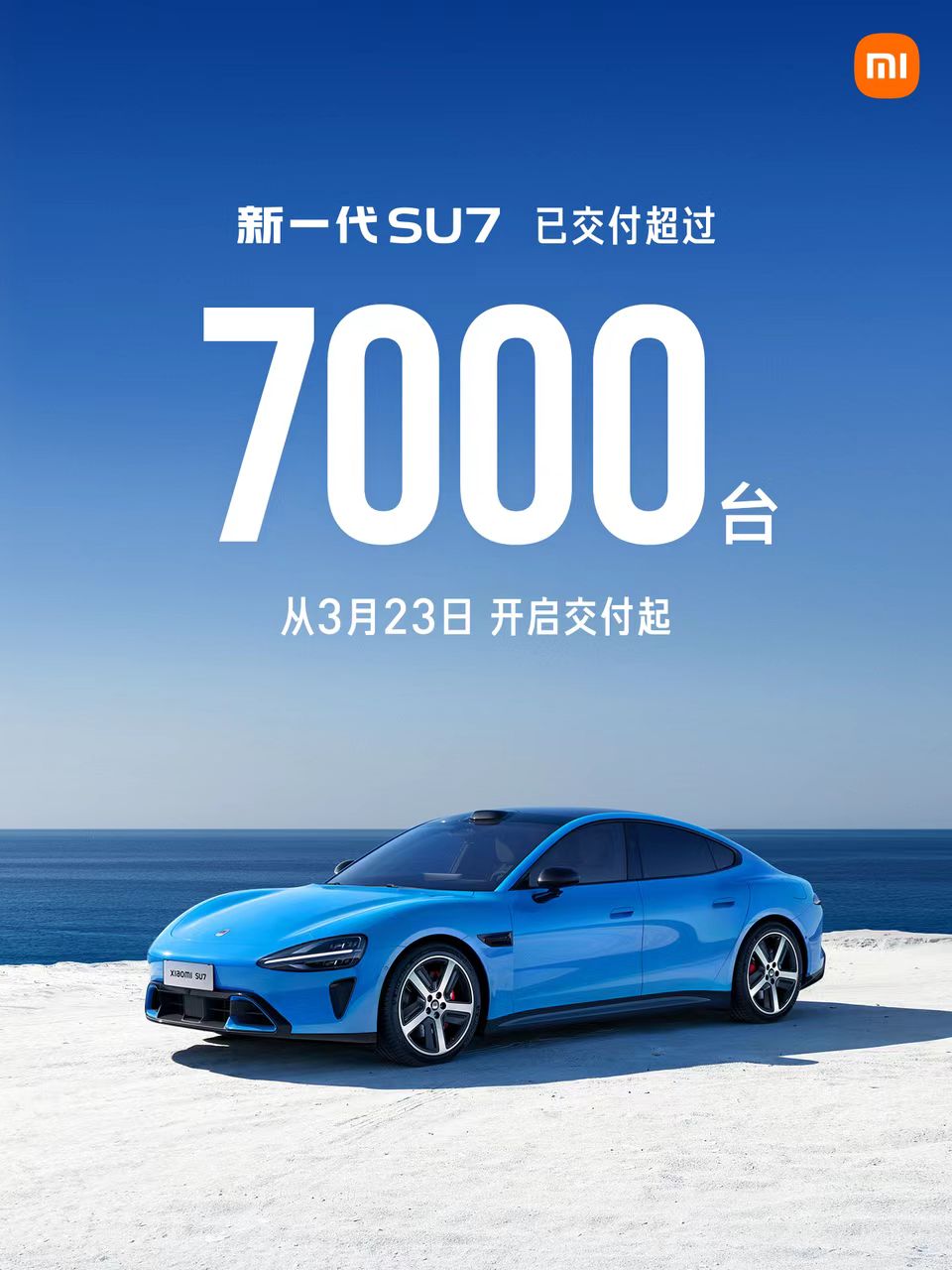
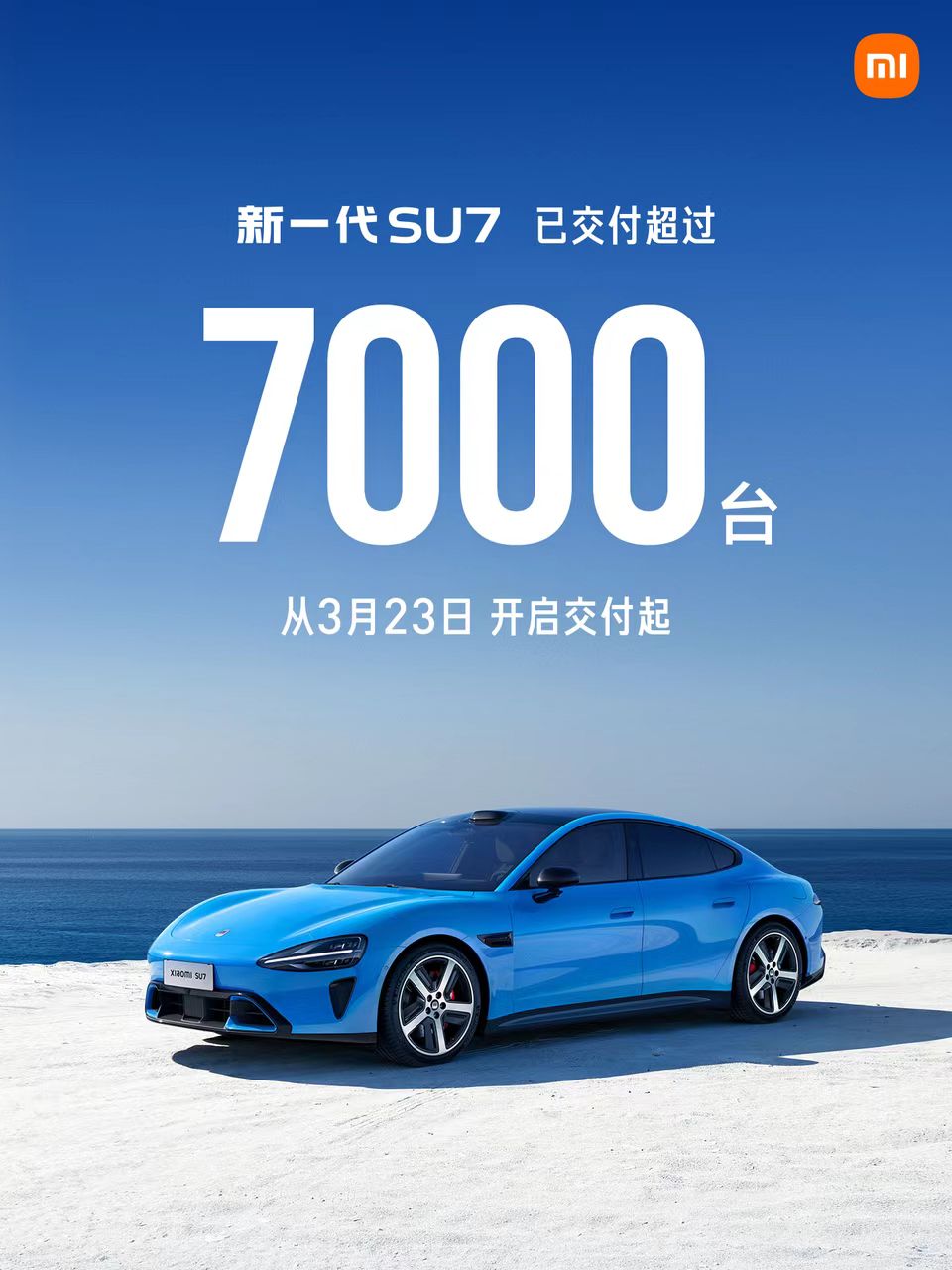
- March: 20,000+ units (including 7,000+ new generation SU7)
This cumulative ~80,000 delivery figure represents less than 15% of the annual goal, creating what analysts are calling the Xiaomi Gap. For context, the company needs to maintain a monthly average of 52,000 units through December—more than double its current run rate and significantly higher than the 50,000-unit record set in December 2025.
The Impossible Equation: Why 52,000 Monthly Units Changes Everything
CEO Lei Jun announced the 550,000 target during a January 2026 livestream, buoyed by 2025’s full-year delivery of over 410,000 vehicles. However, the transition from 41,000 to 52,000 monthly units represents a 27% sequential increase that strains not just manufacturing capacity, but market absorption.
The challenge intensifies when examining the broader market context. China’s new energy vehicle penetration hit 52.9% in March 2026, officially flipping the script from growth market to zero-sum battlefield. In this environment, every sale Xiaomi makes potentially comes at the expense of NIO, Li Auto, XPeng, or Huawei’s aggressive Five Realms lineup.
The 200K-300K RMB Bloodbath: Huawei’s Five Realms vs Xiaomi
Xiaomi’s pricing sweet spot—between 200,000 and 300,000 RMB ($27,500-$41,500 USD)—has become what Chinese media calls a Shura Field (修罗场), or killing ground. Huawei’s Harmony Intelligent Mobility Alliance (HIMA) has deployed its Five Realms strategy, surrounding Xiaomi with the AITO, Luxeed, Stelato, Maextro, and potentially a fifth brand.
See our analysis on Huawei’s Five Realms ecosystem lock-in strategy to understand how software-defined vehicles are reshaping competition.
This crowded landscape means Xiaomi cannot simply ramp production; it must steal market share from entrenched competitors while defending against new entrants launching at the upcoming Beijing Auto Show. The intensifying price wars suggest margin compression is inevitable as Xiaomi chases volume.
Production Ramp-Up vs. Market Saturation
Lei Jun acknowledged the mismatch between demand and supply during the new generation SU7 launch, stating the company began mass production preparations two months early. Yet manufacturing capacity and consumer demand are diverging variables.
Historical precedent from Tesla’s Shanghai ramp suggests that sustaining 50,000+ monthly deliveries requires not just factory lines, but a service network and charging infrastructure that scales proportionally. Xiaomi’s background as a consumer electronics firm provides advantages in supply chain management, but automotive service ecosystems require years to mature.
Investor Takeaway: Why the 550K Target Matters Globally
For Western investors, Xiaomi’s Q1 shortfall signals a broader inflection point in the Chinese EV market. The era of easy growth—where penetration rates automatically lifted all brands—has ended. Xiaomi’s ability to execute this sales miracle will determine whether tech giants can successfully industrialize at automotive scale.
Failure to close the gap likely triggers a 2026 price war that ripples through global supply chains, affecting lithium prices, battery technology transfers, and the competitive positioning of Western legacy automakers still preparing their China EV strategies.
Recommended Reading
To understand the battery technology and geopolitical forces shaping these sales targets, we recommend The Powerhouse: America, China, and the Great Battery War by Steve Levine. This deep dive into the global battery supply chain explains why production capacity alone does not guarantee market victory in the EV transition.
Disclosure: As an Amazon Associate, we earn from qualifying purchases.