900V EV Architecture China: How Lynk & Co’s Lynk 10+ Challenges Western 800V Standards
900V EV Architecture China: How Lynk & Co’s Lynk 10+ Challenges Western 800V Standards
What happens when a brand with seven TCR World Tour championships decides that 800 volts is no longer sufficient? In April 2025, Lynk & Co unveiled its 900V EV architecture China debut through the Lynk 10+ performance sedan, representing more than a specification bump—it signals a fundamental shift in how Chinese OEMs approach sustained performance versus peak power claims. For Western investors and automotive strategists, this development offers a critical window into why domestic engineering philosophies are increasingly outpacing legacy European and American approaches to high-performance electrification.
The Voltage Gap: 900V vs 800V in the Performance Wars
While Western manufacturers like Porsche and Audi have spent years perfecting 800V architectures—first seen in the Taycan in 2019—Lynk & Co’s leap to 900V represents a generational skip in electrical engineering. The technical distinction matters beyond marketing: higher voltage platforms reduce current for equivalent power delivery, minimizing resistive heat losses and enabling faster charging speeds without proportional increases in cable thickness or thermal management complexity.
According to data from the China Passenger Car Association (CPCA), pure electric vehicles now command nearly 70% of China’s new energy vehicle market, with consumer priorities shifting decisively from range anxiety toward charging speed and sustained track capability. The 900V EV architecture China debut addresses this evolution directly, offering theoretical charging speeds that eclipse current 800V implementations while providing the thermal headroom necessary for repeated high-load cycles.
Why Sustained Output Beats Peak Power
Traditional EV benchmarking has focused on 0-60 mph acceleration figures and maximum kW output. However, Lynk & Co’s technical presentation emphasized a different metric: continuous power delivery under thermal stress. During high-intensity track use, conventional EVs suffer from power throttling as battery and motor temperatures exceed safe thresholds—often reducing output by 30-50% after just a few laps.
The Lynk 10+ addresses this through what engineers term ‘system-level thermal architecture,’ integrating the 900V battery pack with advanced silicon carbide (SiC) inverters and direct oil-cooled motors. This approach treats thermal management not as a cooling problem but as a fundamental design philosophy, allowing the vehicle to maintain rated power output for significantly longer durations than competing 400V or 800V platforms.
From TCR Triumphs to Thermal Management
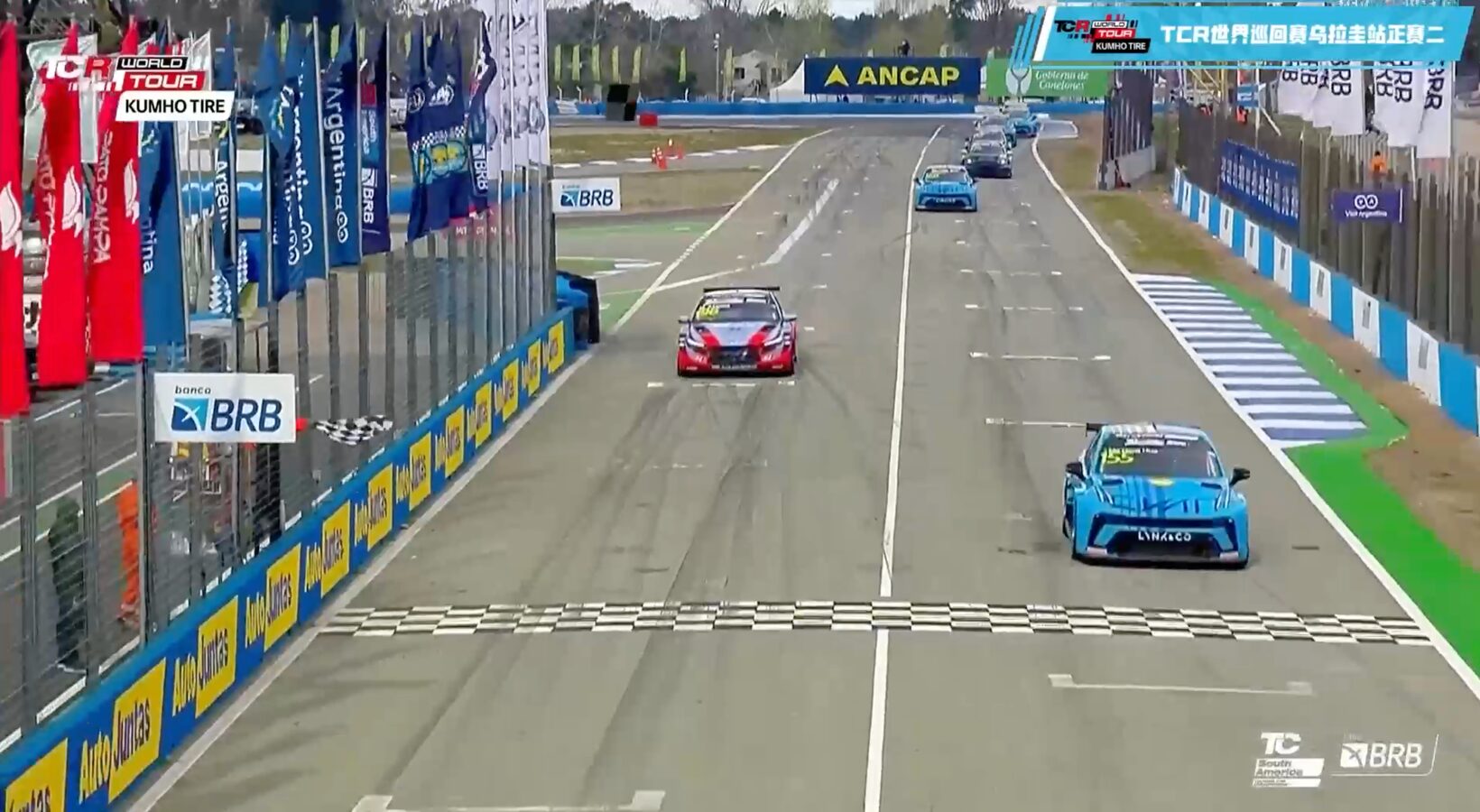
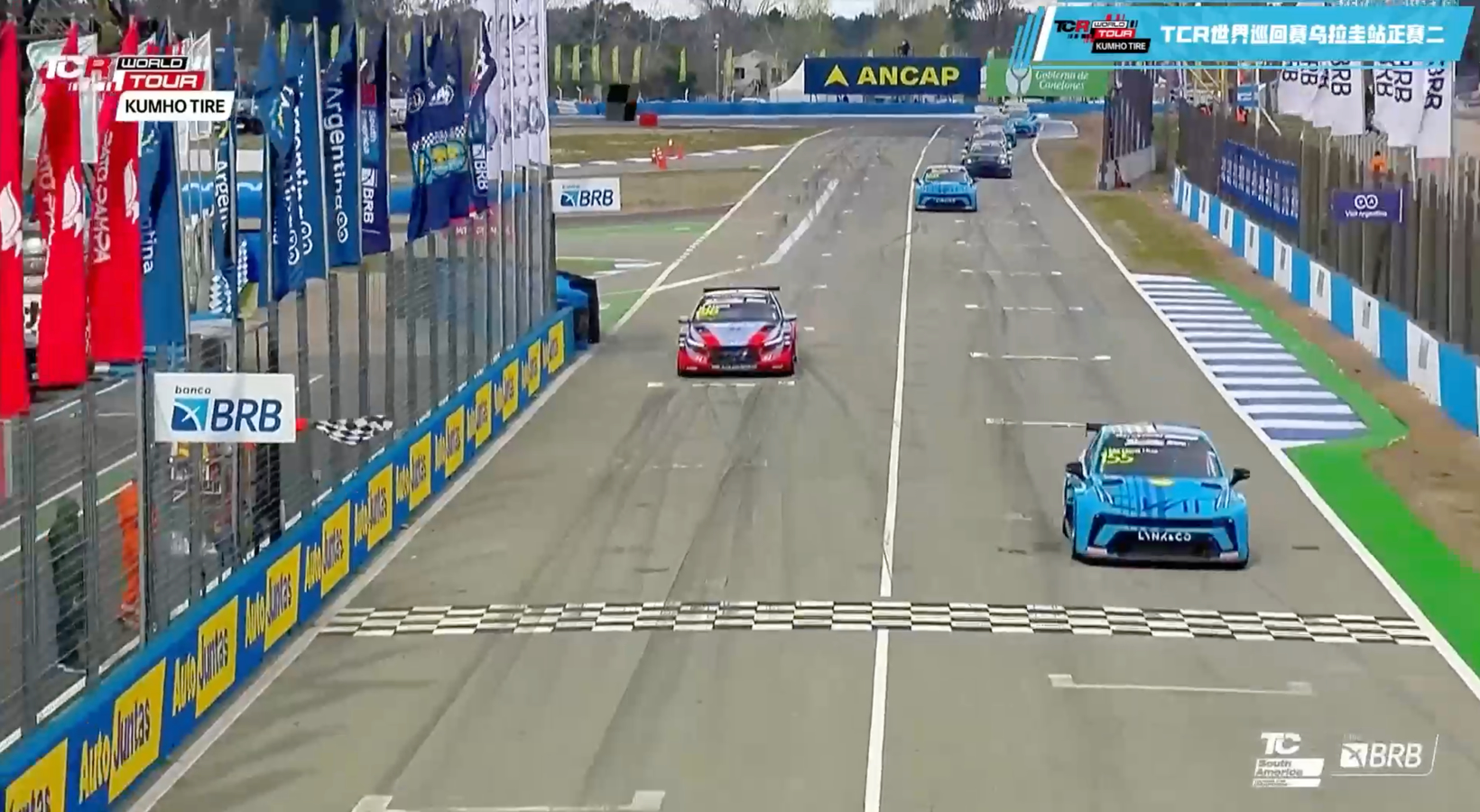
Lynk & Co’s credibility in this segment stems from documented motorsport success. Since 2019, the brand has secured seven championship titles in the TCR World Tour, campaigning modified versions of their combustion and hybrid models against global competition. This racing heritage informs the Lynk 10+’s development, applying lessons from endurance racing—where thermal consistency determines victory—to electric powertrains.
‘The transition from fuel to electrons doesn’t negate physics,’ noted the brand’s technical director during the April livestream. ‘Heat remains the enemy of performance. Our 900V architecture isn’t simply about faster charging; it’s about sustainable speed.’
Racing Heritage Informs Engineering Philosophy
Unlike startups that benchmark against Tesla’s drag-strip metrics, Lynk & Co’s approach mirrors Porsche’s methodology: optimize for the ‘fifth lap’ rather than the first. This philosophy addresses a critical gap in the current EV market, where vehicles capable of sub-3-second 0-60 times often enter limp mode during spirited mountain driving or track days. By prioritizing thermal capacity alongside instantaneous acceleration, the 900V platform targets enthusiasts who demand consistency over one-shot performance metrics.
Geely’s Strategic Architecture: One Platform, Three Brands
The Lynk 10+ does not emerge in isolation. It represents a calculated output of parent company Geely’s ‘One Geely’ structural integration, announced in late 2024 to streamline research and development across its portfolio. Under this framework:
- Zeekr occupies the technology-luxury segment, competing with Mercedes EQS and BMW iX
- Geely Galaxy targets mass-market efficiency, challenging BYD’s dominance
- Lynk & Co retains its ‘youthful, sporty, individualistic’ positioning, now expressed through pure electrification
This tripartite strategy prevents internal cannibalization while maximizing platform economies of scale. The 900V architecture underlying the Lynk 10+ likely shares fundamental cell chemistry and inverter technology with forthcoming Zeekr models, yet receives distinct thermal and suspension calibrations to serve performance-oriented demographics. Geely’s consolidation strategy, as reported by Reuters, aims to reduce redundant development costs by 15-20% while accelerating time-to-market for specialized variants.
Market Implications: The Shift From Policy to Product
Industry data from Bloomberg New Energy Finance indicates that China’s EV market has transitioned decisively from subsidy-driven adoption to product-driven preference. In early 2025, battery electric vehicles (BEVs) captured nearly 70% of total new energy vehicle sales, while plug-in hybrid growth rates decelerated—a trend suggesting consumer confidence in charging infrastructure and pure-electric usability.
This maturation favors technical differentiation over compliance-focused engineering. The 900V EV architecture China introduction aligns with this inflection point, offering tangible benefits—10-80% charging in under 15 minutes, sustained track performance—that resonate with buyers no longer motivated by tax incentives alone. For Western observers, this represents a critical evolution: Chinese OEMs are no longer following Western technical standards (such as 800V) but establishing new baselines that force competitive response.
Western Stakeholder Analysis
For Investors
The technical specifications revealed for the Lynk 10+ suggest Geely is positioning its mid-premium brand to capture margin-rich performance segments before Western legacy OEMs can localize competitive products. The 900V platform’s compatibility with next-generation silicon carbide semiconductors and high-nickel battery chemistries indicates a roadmap extending through 2030, reducing regulatory risk associated with platform obsolescence. Investors should note that Lynk & Co’s export strategy—already established in European markets through hybrid offerings—provides immediate distribution channels for this technology, potentially disrupting pricing power for Audi Sport and BMW M divisions.
For Legacy Automakers
The emergence of 900V systems in mass-market adjacent vehicles (the Lynk 10+ targets the $40,000-$55,000 equivalent segment) compresses the timeline for Western 800V adoption. When mid-tier Chinese performance sedans offer superior charging speeds and thermal durability than premium European flagships, brand positioning equations shift. Legacy OEMs must now accelerate 900V+ development or risk ceding the enthusiast market—a demographic that, while small in volume, disproportionately influences brand perception and technology trickle-down.
[Internal Link: See our analysis on Geely’s vertical integration and global battery supply chain strategy]
Recommended Reading
For readers seeking deeper context on the geopolitical and technological undercurrents shaping this market, The Powerhouse: America, China, and the Great Battery War by Steve Levine provides essential historical perspective on how lithium-ion cell chemistry became a strategic flashpoint. Levine’s analysis of the Argonne National Laboratory’s research and Chinese industrial policy offers crucial background for understanding why voltage architecture advantages translate directly to market dominance.
Disclosure: As an Amazon Associate, we earn from qualifying purchases. This recommendation is based on editorial merit rather than commercial partnership.
Conclusion: The New Engineering Baseline
The Lynk 10+ and its 900V EV architecture China debut mark more than a product launch—they establish a new engineering baseline for performance electrification. By solving the thermal throttling limitations that plague current 800V and 400V competitors, Lynk & Co demonstrates that Chinese EV development has entered a phase of problem-solving sophistication that rivals—and in specific metrics, exceeds—Western capabilities. For stakeholders in the global automotive ecosystem, the message is clear: the voltage race has begun, and the starting line has moved to 900 volts.
Sources: TCR World Tour Official Records; China Association of Automobile Manufacturers (CAAM); Company Technical Disclosure, April 2025.