What happens when the world’s most protected automotive fortress sees its gates breached by foreign invaders capturing nearly one in ten sales? Europe’s March auto sales data reveals a watershed moment: Chinese EV brands Europe sales surged to a record 149,094 units, commanding 9.4% of the continent’s total market share while legacy automakers scramble to defend their turf.
According to exclusive market data covering the EU, UK, and EFTA regions, total European auto sales climbed 11% year-over-year to 1,584,784 vehicles in March. Yet beneath this headline figure lies a tectonic shift in market power that should alarm Western investors and boardrooms from Wolfsburg to Detroit.
The Statistical Earthquake: Chinese Brands Rewrite the Rules
While European media focused on Tesla’s dramatic 89% rebound, the real story unfolded in the quiet accumulation of market share by China’s automotive elite. The 149,094 vehicles registered by Chinese brands represents not just volume, but a strategic beachhead established despite ongoing trade tensions and impending tariff implementations.
Chery’s European Blitzkrieg
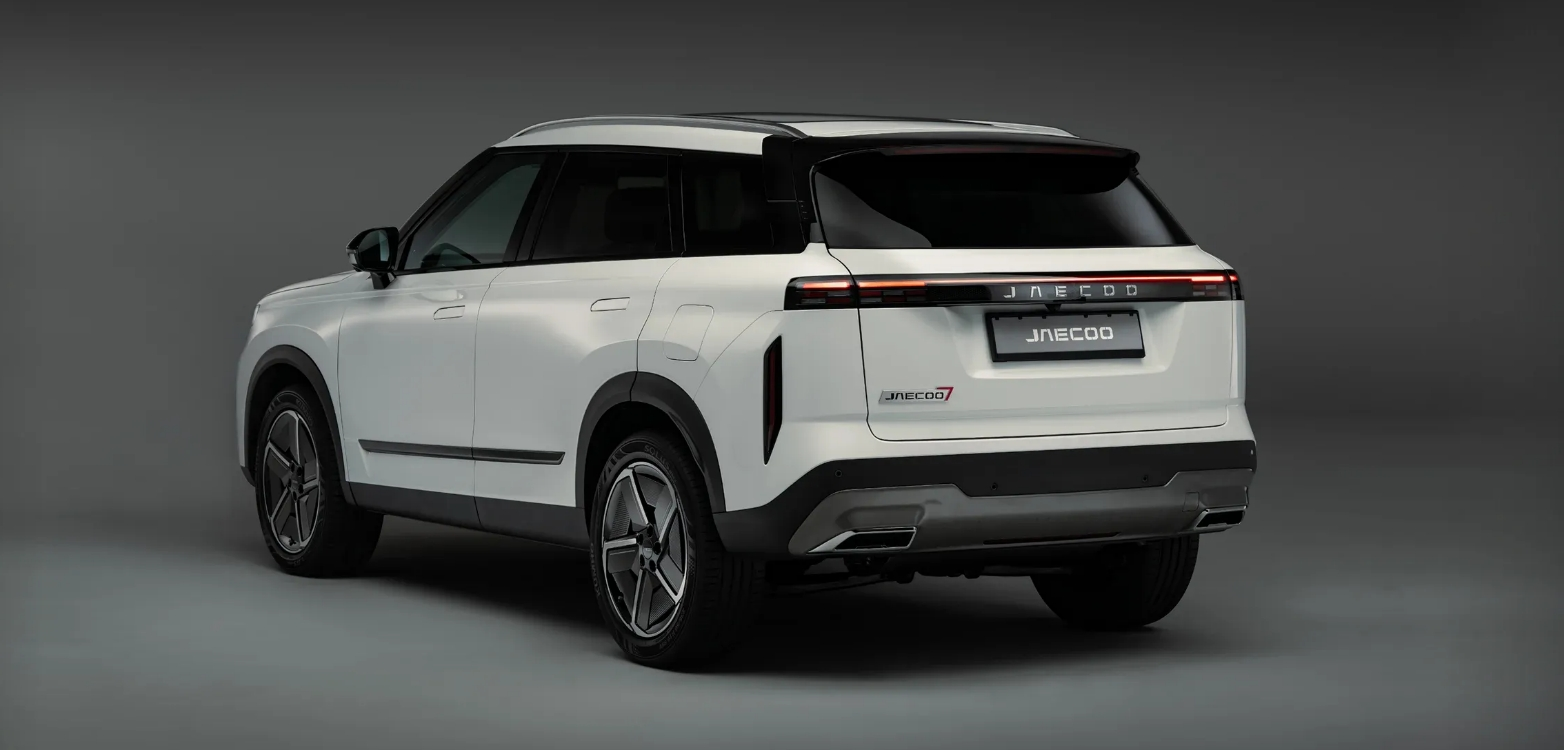
Chery emerged as March’s most aggressive expansionist, posting the highest absolute growth among all manufacturers with nearly 29,000 additional units compared to March 2024. The company’s multi-brand strategy—leveraging Omoda (nearly 10,000 units added), Jaecoo (over 12,000 incremental sales), and the nascent Chery marque (6,732 units)—demonstrates sophisticated market segmentation that mirrors successful European historical tactics.
See our analysis on how Chery’s multi-brand approach threatens European OEM hierarchies.
Leapmotor and the Stellantis Gambit
Perhaps most strategically significant for Western investors is Leapmotor’s explosive growth—from 1,309 units in March 2024 to 11,248 this year. This 759% increase stems not from Chinese import strategy, but from Stellantis’s clever reverse-trojan horse: using its established European dealer network to distribute competitively priced Chinese-engineered EVs.
The T03 minicar’s success under European incentive programs proves that Chinese EV technology, when properly localized and distributed through trusted channels, can bypass consumer skepticism about ‘unknown’ brands.
Tesla’s Pricing War and the BEV Boom
Tesla’s 89% surge to 52,842 units—driven by aggressive Model 3 and Model Y price cuts—validated a dangerous precedent for European profitability: in the electric transition, market share trumps margins. Model Y became Europe’s best-selling vehicle overall, proving that Chinese manufacturers aren’t the only ones willing to sacrifice short-term profits for long-term market positioning.
Electric vehicle demand accelerated dramatically, with battery electric vehicle (BEV) sales jumping 42% and plug-in hybrids rising 33%. According to Reuters Automotive Analysis, rising fuel costs across the continent have catalyzed this shift, creating a perfect storm for value-oriented Chinese EVs.
Legacy Automakers: A Mixed Defense
Among traditional European players, only BMW Group mounted an effective counter-offensive, posting 16% growth that outpaced the market. This suggests that premium positioning and strong hybrid offerings provide temporary insulation from the Chinese price assault.
Meanwhile, Volkswagen Group and Stellantis (excluding their Leapmotor partnership) showed more modest gains, indicating that mass-market European OEMs face the existential challenge of competing against Chinese brands with superior battery supply chains and 20-30% cost advantages.
The Tariff Paradox: Why Protectionism Isn’t Working
The March data presents a confounding reality for EU policymakers. Despite threatened tariffs of up to 45% on Chinese EV imports and ongoing anti-subsidy investigations, market share for Chinese brands continues climbing. This suggests two critical insights for Western investors:
- Local Production Loophole: Brands like Chery and BYD are accelerating Hungarian and Spanish factory plans, rendering tariff threats irrelevant for future capacity.
- Consumer Price Sensitivity: With European inflation lingering and interest rates elevated, the 30% price discount offered by Chinese brands overrides nationalist purchasing preferences.
As noted by Bloomberg’s trade analysts, the EU’s tariff strategy may have inadvertently accelerated Chinese localization investments, creating permanent manufacturing capacity inside fortress Europe.
Investment Implications: The New Automotive Order
For Western portfolio managers, March’s data signals a permanent margin compression in European automotive markets. The 9.4% market share figure represents a tipping point—Chinese brands now possess sufficient volume to fund European marketing, R&D centers, and lobbying operations.
Geely’s growth from 205 to 2,283 units exemplifies the ‘under-the-radar’ threat. By positioning below Volvo and Polestar in the pricing hierarchy, Geely captures value-conscious consumers who previously bought entry-level Volkswagens or Renaults.
Conclusion: The Inevitable Reckoning
Europe’s March sales surge masks a structural crisis for indigenous automakers. While the 11% growth figure suggests health, the distribution of that growth—concentrated in Chinese brands and Tesla’s price-discounted models—indicates that European OEMs are losing control of their own electric transition.
For investors, the message is clear: the era of European automotive exceptionalism is ending. Chinese EV brands Europe sales growth isn’t a temporary phenomenon—it’s the new baseline, and Western manufacturers must either match Chinese cost structures or retreat to premium niches where BMW currently holds the line.
Data sources: European Automotive Market Research, company filings. External references: Reuters, Bloomberg.