Is China’s rapid EV market expansion in Europe a sign of things to come for Western automakers?
Introduction
The European automotive market saw a significant growth in April 2026, with electric vehicle (EV) demand continuing to surge. This trend is particularly noteworthy as it has helped offset the decline in internal combustion engine (ICE) vehicle sales and has driven Chinese brands to expand their market share. According to the latest data from the European Automobile Manufacturers’ Association (ACEA), new car registrations in the EU, UK, and EFTA countries grew by 7% year-over-year, reaching 1,152,315 units. Cumulatively, the first four months of 2026 saw a 4.8% increase compared to the same period last year.
Key Trends in the European EV Market
Electric vehicles, including battery electric vehicles (BEVs), plug-in hybrid electric vehicles (PHEVs), and hybrid electric vehicles (HEVs), experienced a 21% year-over-year increase in registrations, accounting for over two-thirds of all new car registrations. In contrast, gasoline and diesel vehicle registrations declined by approximately 15% and 17%, respectively. This shift towards low-emission vehicles is being fueled by government policies, purchase incentives, and higher fuel costs, which are making EVs more attractive to consumers, especially in major European markets.
Market Performance of Key Players
-
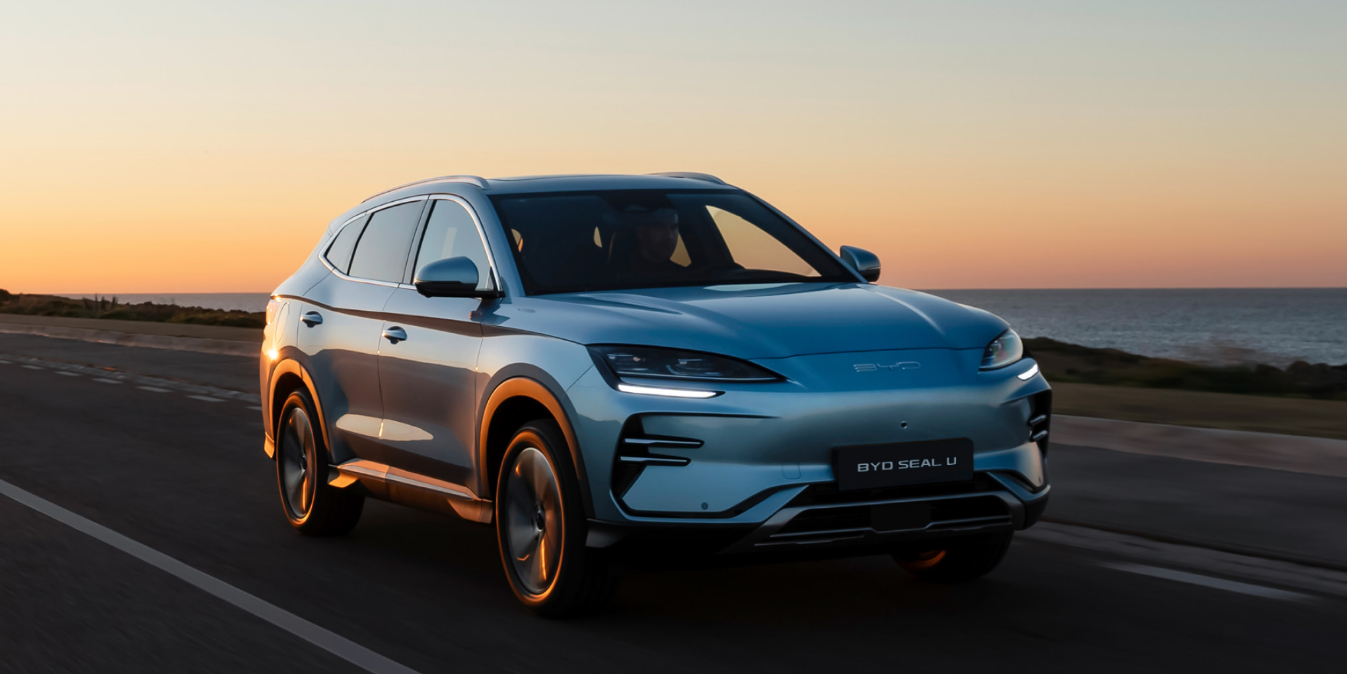
Tesla: Tesla saw a 46.5% increase in registrations, with 10,654 units sold, marking the third consecutive month of sales recovery. However, this figure still falls short of the performance of Chinese automaker BYD, which registered 27,008 units, a 114.5% year-over-year increase.
-
BYD: BYD’s strong performance is a clear indication of the growing influence of Chinese brands in the European market. Another Chinese brand, Chery, also saw a significant 322% increase in registrations.
-
Traditional Automakers: Established players like Volkswagen Group, Stellantis, BMW Group, and Mercedes-Benz showed modest growth, with increases ranging from 2.4% to 7%. Conversely, Renault experienced a 3.6% decline in sales.
Regional Highlights
The demand for BEVs was particularly strong in Italy, France, and Germany, with registration growth rates of 73%, 48%, and 41%, respectively. These markets are leading the way in the transition to electrified vehicles, driven by robust policy support and consumer interest.
Why This Matters for Western Investors
The rapid expansion of Chinese EV brands in Europe is a critical trend for Western investors to monitor. The increasing market share of companies like BYD and Chery indicates that they are not only competing but also outperforming established players in the region. This shift could have significant implications for the global automotive landscape, potentially reshaping the competitive dynamics and influencing investment strategies.
Strategic Insights
-
Policy and Incentives: Government policies and financial incentives are key drivers of EV adoption in Europe. Understanding these factors is crucial for predicting future market trends.
-
Technological Innovation: Chinese brands are investing heavily in R&D, focusing on advanced technologies such as ADAS and LFP batteries. This innovation is a key factor in their success and should be closely watched.
-
Market Positioning: Traditional Western automakers need to adapt quickly to remain competitive. Strategic pivots, such as accelerating their own EV development and expanding partnerships, may be necessary to maintain market share.
For more insights into the Chinese EV market, see our analysis on Chinese EV Battery Breakthroughs.