In a groundbreaking development, the University of California, San Diego (UCSD) is leveraging its supercomputing power to design next-generation batteries that are both cheaper and more durable. This breakthrough could significantly impact the global electric vehicle (EV) market, particularly in China, where the demand for cost-effective and sustainable energy storage solutions is soaring.
The Role of Supercomputers in Battery Design
UCSD’s Expanse supercomputer, housed at the San Diego Supercomputer Center (SDSC), has played a pivotal role in advancing battery technology. The research, published in the journal Advanced Energy Materials, focuses on developing sodium-based batteries, which are more abundant and affordable compared to lithium-ion batteries. Sodium, being a key component of common table salt, offers a promising alternative for large-scale energy storage, such as solar and wind power backups.
Overcoming the Challenges of Sodium Batteries
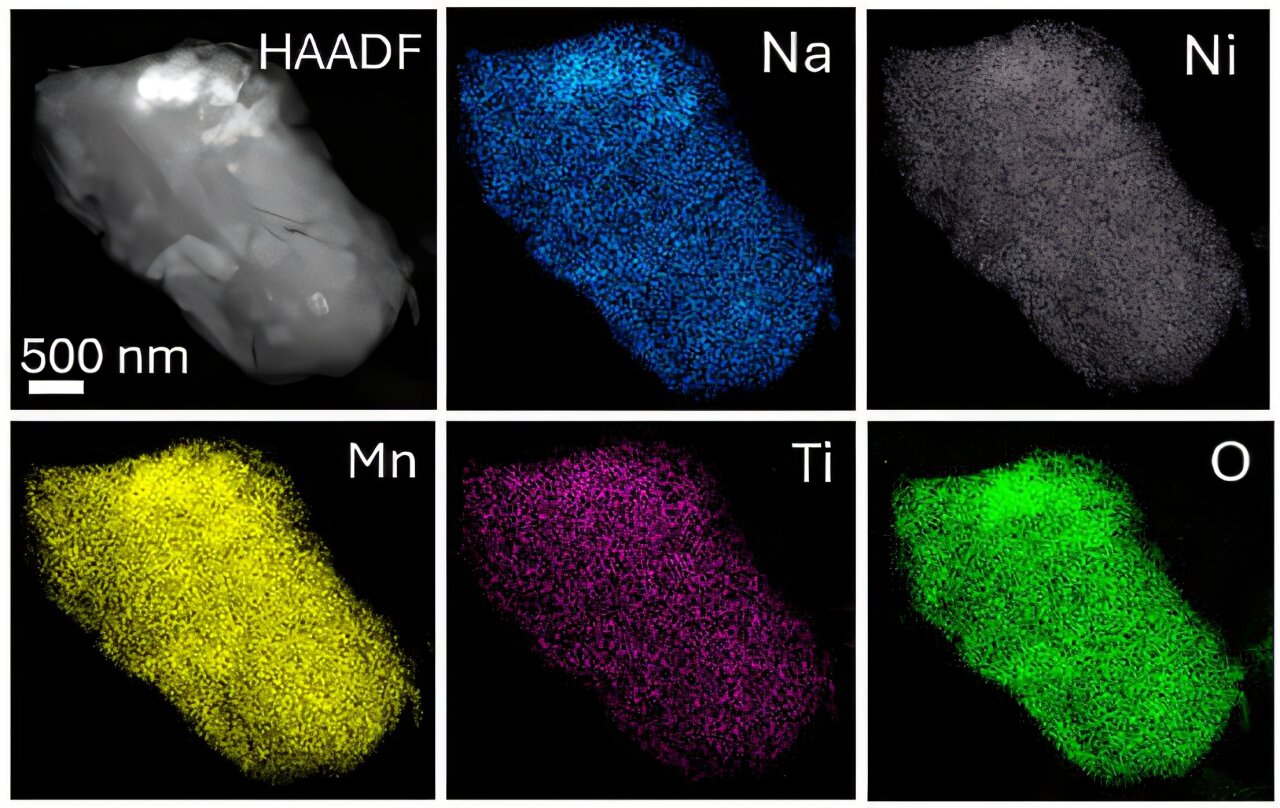
One of the main challenges with sodium batteries is their ability to maintain high power output and stability over multiple charge-discharge cycles. To address this, UCSD researchers, led by Professor Shirley Meng, have introduced small amounts of lithium and titanium into the sodium-based materials. These minor adjustments have resulted in significant improvements, enabling the batteries to store more energy and remain stable even under high voltage conditions.
-
Increased Energy Storage: The modified cathode can store more energy per charge.
-
Stability Under High Voltage: The battery remains stable even at higher voltages, crucial for efficient energy release.
-
Durability: The battery retains most of its capacity after multiple charge-discharge cycles, even under harsh conditions.
Understanding the Impact on the Chinese EV Market
The Chinese EV market is one of the largest and fastest-growing in the world. The introduction of cheaper and more durable sodium-based batteries could revolutionize the industry, making EVs more accessible and reducing the reliance on expensive and less sustainably sourced lithium. This could also lead to a significant reduction in the overall cost of EVs, making them a more attractive option for consumers.
Why This Matters to Western Investors
For Western investors, this breakthrough presents a unique opportunity. As the global shift towards renewable energy and electric vehicles accelerates, companies and technologies that can offer cost-effective and sustainable solutions will be in high demand. Investing in the development and commercialization of these new battery technologies could yield substantial returns, especially in markets like China, where the demand for EVs is rapidly increasing.
Moreover, the use of supercomputers in battery design highlights the importance of advanced computational tools in driving innovation. This approach can be replicated in other areas of technology, potentially leading to further advancements in the field.
Recent Developments and Confirmations
Recent articles from trusted sources like Reuters and Bloomberg have also highlighted the growing interest in sodium-based batteries. These reports confirm the potential of this technology to disrupt the current lithium-ion dominated market, aligning with the findings from UCSD’s research.
See our analysis on EV Battery Market Trends for more insights into the future of battery technology and its impact on the global EV market.