cellcentric’s BZA375: A Game-Changer in Heavy-Duty Fuel Cell Technology
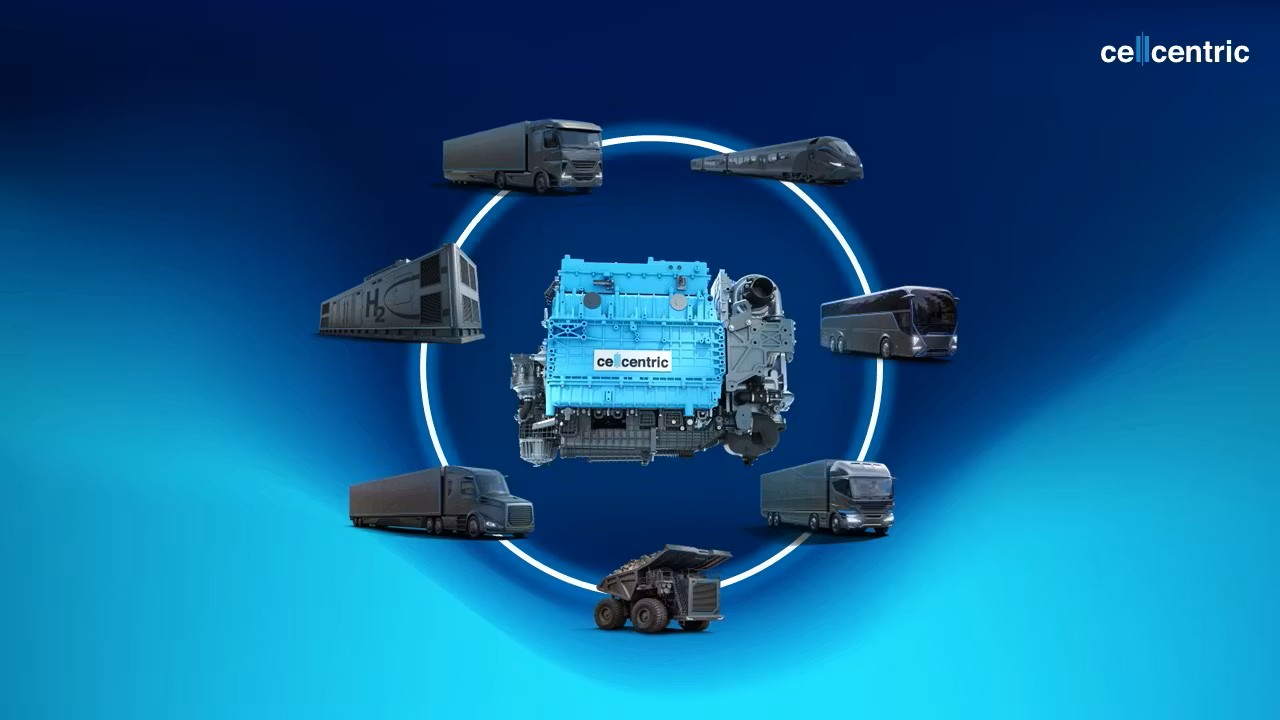
cellcentric’s BZA375: A Game-Changer in Heavy-Duty Fuel Cell Technology
Is the BZA375 fuel cell system set to redefine the heavy-duty trucking industry? This innovative solution from cellcentric is poised to do just that, offering a compelling alternative to traditional diesel engines.
Introduction
The heavy-duty fuel cell market is witnessing a significant breakthrough with the introduction of cellcentric’s BZA375. This new generation fuel cell system is specifically designed to meet the demanding needs of heavy-duty trucks and similar applications, marking a pivotal moment in the evolution of electric vehicle (EV) technology.
The BZA375: A Closer Look
cellcentric, a leading manufacturer of heavy-duty fuel cell systems, has officially unveiled its next-generation product, the BZA375. This innovative system is the result of less than three years of development, driven by a deep understanding of customer needs and a commitment to continuous improvement.
Key Features and Benefits
- High Power Output: The BZA375 delivers up to 375kW of continuous net power, equivalent to over 500 horsepower.
- Improved Efficiency: Compared to its predecessor, the BZA150, the BZA375 reduces fuel consumption by 20%, requiring less than 6 kg of hydrogen per 100 km for a fully loaded 40-ton truck.
- Enhanced Cooling: At 300kW net power, the BZA375 generates 40% less waste heat, enabling the use of more compact and cost-effective cooling systems.
- Higher Power Density: The BZA375 boasts a 40% increase in power density, simplifying integration into existing vehicle architectures.
- Reduced Complexity: The system’s design complexity is reduced by 40%, thanks to fewer components and interfaces.
- Weight Management: Weighing under 500 kg, the BZA375 ensures payload levels comparable to those of mature diesel technologies.
Design and Integration
The BZA375’s single-system design eliminates the need for the ‘dual system’ approach used in previous models. This simplification not only reduces complexity but also allows for easier integration into existing diesel-powered vehicle platforms. The system is designed to fit into engine bays originally developed for traditional 13-liter diesel engines, making it an attractive option for OEMs looking to transition to cleaner, more efficient technologies.
Lifecycle and Durability
With a lifespan of 25,000 hours, equivalent to 10 years of operation in a heavy-duty truck, the BZA375 matches the durability of modern diesel engines. This longevity, combined with its high efficiency and low maintenance requirements, positions the BZA375 as a viable and sustainable solution for the heavy-duty market.
Market Impact and Future Prospects
The BZA375 is not just a technological advancement; it represents a significant shift in the heavy-duty transportation sector. As Western investors and car buyers increasingly look towards sustainable and efficient solutions, the BZA375 offers a compelling case for the adoption of fuel cell technology. Its performance, efficiency, and ease of integration make it a strong contender in the race to decarbonize the heavy-duty vehicle market.
For more insights on the future of EV technology, see our analysis on EV Technology Trends.
Conclusion
The BZA375 from cellcentric is a game-changer in the heavy-duty fuel cell market. With its impressive performance, efficiency, and durability, it is well-positioned to challenge traditional diesel engines and drive the transition to cleaner, more sustainable transportation solutions. As the global push for decarbonization continues, the BZA375 stands out as a key player in this transformative journey.