Is the Chinese ADAS Industry Moving Beyond L3 to L4?
Is the Chinese ADAS Industry Moving Beyond L3 to L4?
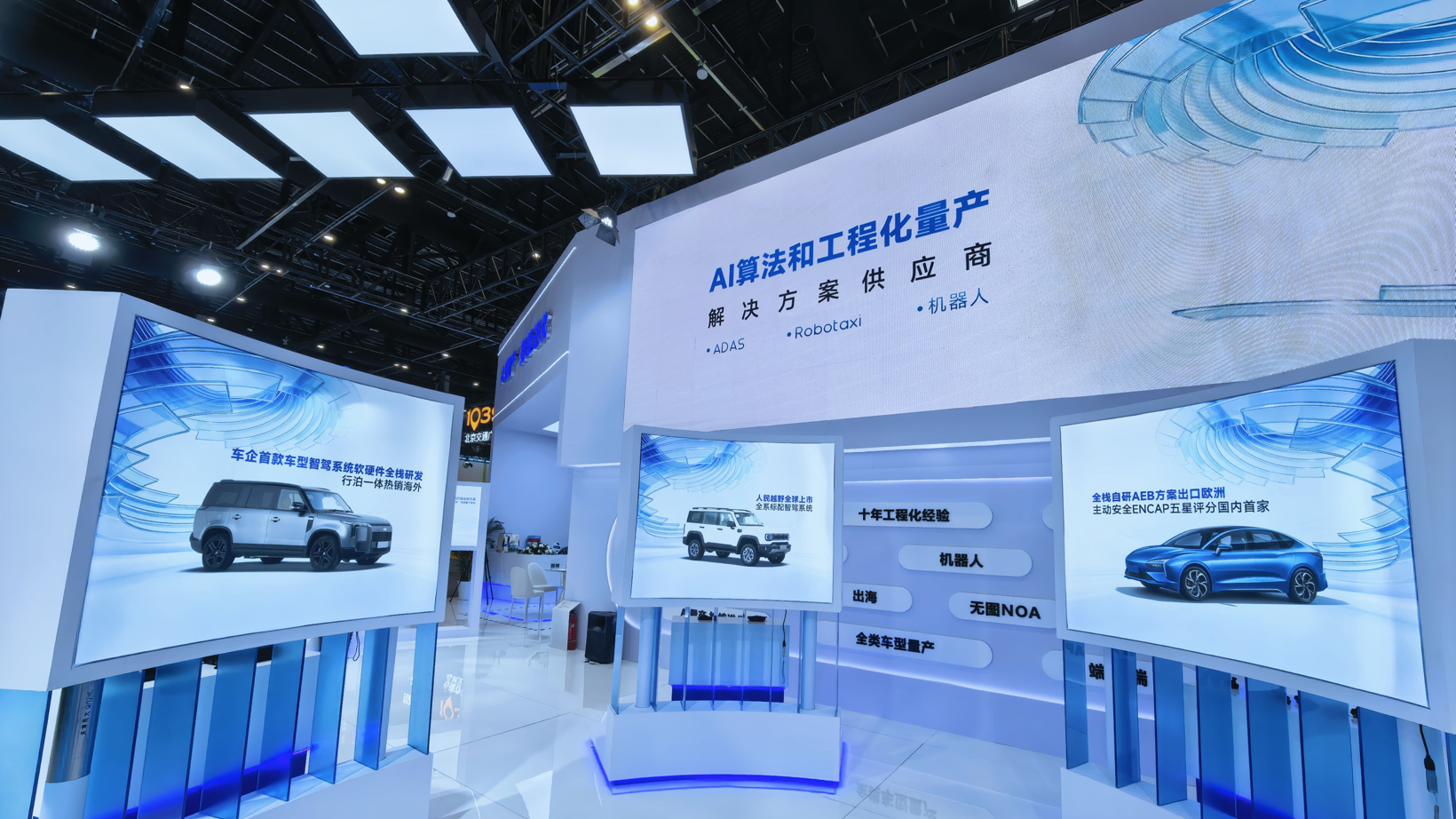
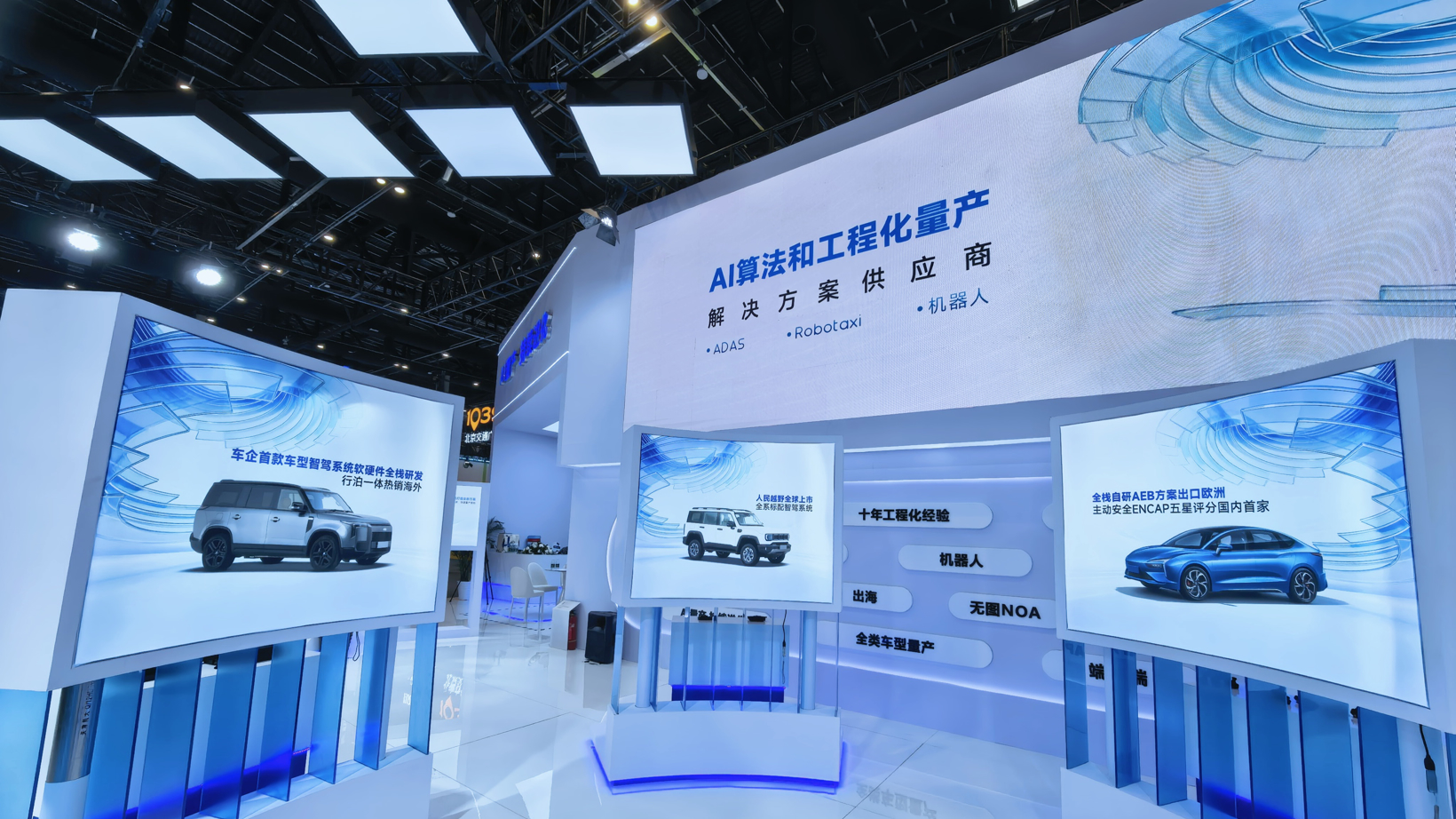
At the recent Beijing Auto Show, a notable shift in the focus of autonomous driving (ADAS) companies has been observed. While previously, the competition was centered around vehicle models, parameters, and configurations, the current trend is moving towards models, computing power, robotics, and physical AI. This change is particularly evident with companies like Yihang Intelligence, which are now expanding their business boundaries beyond traditional ADAS into areas such as Robotaxi and robotics.
The Evolution of the ADAS Industry
In the past decade, the ADAS industry has seen rapid iterations. Initially, the competition was about who could develop the first functional ADAS systems. Later, it shifted to who could achieve mass production, and then to who could successfully implement city NOA (Navigate on Autopilot). Today, the industry is entering a new phase where simply focusing on L2+ systems is no longer sufficient to drive innovation and growth.
Technological Convergence and Market Saturation
On one hand, the technological routes are converging. With the advent of end-to-end solutions, large models, and world models, the industry’s understanding of the ‘final solution’ is becoming more aligned. On the other hand, the mass market is becoming increasingly competitive. Prices are being driven down, and features are being piled on, leaving little room for differentiation.
Industry Leaders’ New Directions
- Momenta is extending its reach into Robotaxi services.
- Yuanrong Qixing is emphasizing ‘physical AI’.
- Xpeng is redefining itself as a ‘global physical AI company’.
These shifts indicate that the industry is expanding beyond ‘intelligent driving’ into broader AI applications. Yihang Intelligence, for instance, is also exploring these new directions. However, this does not mean that companies are more optimistic about high-level autonomous driving. In fact, as they delve deeper, the industry is becoming more cautious about the practical implementation of these technologies.
L3 vs. L4: A Critical Debate
One of the most discussed topics in the ADAS industry over the past few years has been whether L3 or L4 will be the first to achieve widespread adoption. Some argue that L3 is a necessary transition, while others believe it is better to skip L3 and move directly to L4 due to the clear responsibility boundaries and the high costs associated with L3 systems.
During a recent media exchange, Yihang Intelligence’s founder, Chen Yuxing, stated, ‘I personally tend to skip L3.’ He explained that L2 and L4 have clear responsibility boundaries, but L3 is the most awkward level. Drivers are not fully relieved of their responsibilities and must still take over, while the system is expensive and offers limited benefits to users, especially in relatively closed scenarios like highways where L2+ systems are already quite mature.
Global Trends and Confirmations
Recent articles from Reuters and Bloomberg confirm the global trend of ADAS companies shifting their focus towards higher levels of autonomy and broader AI applications. This aligns with the observations at the Beijing Auto Show, indicating a consistent global movement in the industry.
See our analysis on Robotaxi Market Growth in 2024 for more insights.