Chinese EV Market Penetration Expected to Reach 62.5% in May 2026

Chinese EV Market Penetration Expected to Reach 62.5% in May 2026
Is the Chinese EV market on the verge of a significant milestone, or is it just a temporary blip? According to the latest data from the China Passenger Car Association (CPCA), the penetration rate of new energy vehicles (NEVs) in China is expected to reach 62.5% by May 2026. This figure is a crucial indicator for Western investors and industry analysts, as it highlights the rapid shift towards electric vehicles and the potential hidden costs in the market.
Market Trends and Data Analysis
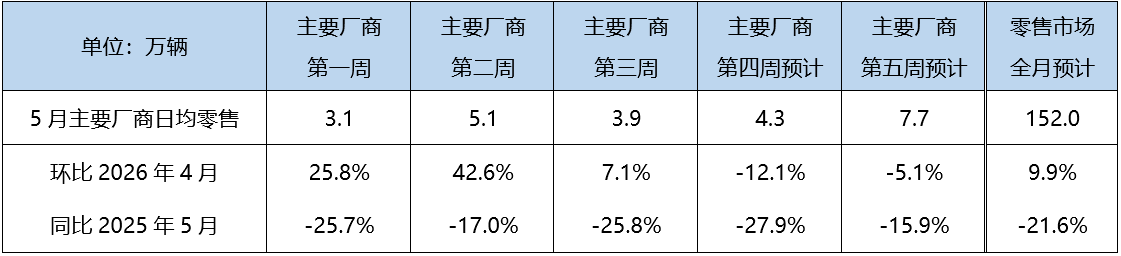
The CPCA predicts that the domestic narrow-sense passenger vehicle retail sales will reach 1.52 million units in May 2026, up 9.9% month-over-month. Of this, NEV sales are expected to be around 950,000 units, a 12% increase from the previous month, pushing the penetration rate to 62.5%. This is a significant jump from April 2026, where the penetration rate was 61.3% with 848,000 NEVs sold.
Comparison with April 2026
- Total passenger vehicle retail sales in April 2026: 1.382 million units, down 21.5% year-over-year and 16% month-over-month.
- Fuel vehicle sales: 534,000 units, down 37.2% year-over-year and 32.7% month-over-month.
- NEV sales: 848,000 units, down 6.9% year-over-year but flat month-over-month.
Market Stimuli and Consumer Sentiment
The ‘May Day’ holiday, local auto shows, and promotional activities have played a significant role in boosting the market. However, the sustainability of this growth is uncertain. The first week of May saw an average daily retail volume of 31,000 units, which surged to 51,000 units in the second week. By the third week, it dropped to 39,000 units, and the fourth week is expected to see a moderate increase to 43,000 units. The final week is projected to spike to 77,000 units, driven by end-of-month promotions.
Headline vs. Reality
While these figures suggest a recovery, the underlying consumer sentiment remains fragile. Policies and promotions can provide short-term boosts, but they may not sustain long-term growth. The automotive dealers’ inventory coefficient, a key indicator of market health, rose to 1.89 in April, up 7.4% month-over-month and 34% year-over-year. This high inventory level indicates weak demand and financial pressure on dealers.
Macroeconomic Context
The broader economic context also supports a cautious outlook. The National Bureau of Statistics reported that total retail sales of consumer goods grew by only 0.2% in April, with car sales down 15.3%. Consumers are still hesitant about making large purchases, and the effectiveness of trade-in policies is waning. As of April 12, 2026, the number of trade-ins reached 1.67 million, with 472,000 being scrapped and replaced.
Implications for Western Investors
For Western investors, the high penetration rate of NEVs in China signals a robust and rapidly evolving market. However, the data also points to potential risks, such as high dealer inventories and consumer caution. Understanding these dynamics is crucial for strategic decision-making. See our analysis on EV Market Trends in 2026 for more insights.