DDS: The New Backbone of Software-Defined Vehicles in China
DDS: The New Backbone of Software-Defined Vehicles in China
Is DDS the key to unlocking the full potential of software-defined vehicles? With its microsecond-level latency and zero data loss, DDS (Data Distribution Service) is revolutionizing the automotive industry. This article delves into why DDS is becoming a critical technology for the next generation of connected and autonomous vehicles.
What is DDS and Why Does It Matter?
Data Distribution Service (DDS) is a middleware protocol that has been widely used in defense and aerospace due to its high reliability and real-time performance. Unlike traditional request-response communication, DDS uses a publish-subscribe model, allowing any node in the system—whether it’s an ADAS controller, a regional controller, or a single sensor—to declare what data it can publish and what data it needs to subscribe to. DDS then automatically handles routing, scheduling, and transmission management.
Key Benefits of DDS
- Microsecond-Level Latency: DDS ensures that data is transmitted with minimal delay, which is crucial for real-time applications like autonomous driving.
- Zero Data Loss: Critical control instructions are guaranteed not to be lost, ensuring the safety and reliability of the vehicle.
- Dynamic Scalability: Adding new nodes to the system does not require changes to existing code, making integration much simpler and more flexible.
The Shift to Software-Defined Vehicles
As the automotive industry moves towards software-defined vehicles, the complexity of the systems involved is increasing. Traditional CAN/LIN buses and SOME/IP protocols are no longer sufficient to handle the massive amounts of data generated by sensors and other components. DDS provides a more flexible and efficient solution for managing this data.
Market Trends and Adoption
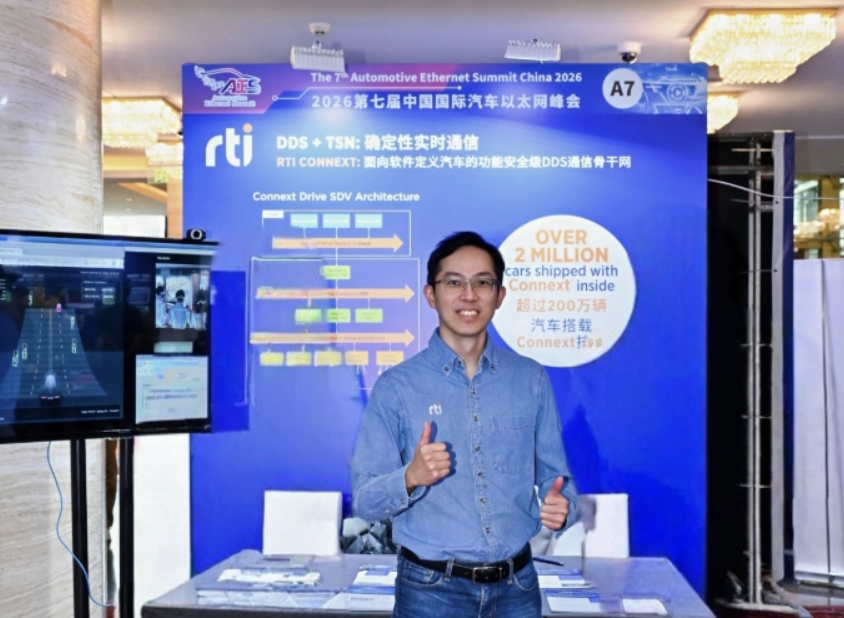
According to Kelvin Hor, the Asia Pacific Sales Director at Real-Time Innovations (RTI), a leading provider of DDS solutions, the shift to software-defined vehicles is driving the adoption of DDS. In the CAN/LIN era, signals and their meanings were statically bound, making the system structure rigid. However, with the advent of zonal architectures and central computing, the number of ECUs is decreasing, and Ethernet is becoming the primary communication network. This transition requires a more dynamic and flexible approach to data distribution, which DDS provides.
Challenges and Opportunities
While DDS offers significant advantages, there are also challenges to its widespread adoption. These include the need for robust security measures, the complexity of integrating with existing systems, and the need for standardization. Despite these challenges, the benefits of DDS make it a compelling choice for the future of automotive communication.
Expert Insights
Recent articles from Reuters and Bloomberg have highlighted the growing importance of DDS in the global automotive industry. As the demand for more advanced and reliable vehicle systems increases, DDS is expected to play a crucial role in enabling the next generation of software-defined vehicles.
For more on the latest trends in automotive technology, see our analysis on ADAS and Autonomous Driving Trends in 2024.