Geely Q1 Sales Record: How Hybrid Tech Is Winning China’s EV Cold War
Geely Q1 Sales Record: The Hybrid Strategy Behind China’s Latest Shock
What happens when the world’s largest electric vehicle market suddenly contracts by 26%, yet one automaker still manages to post its highest first-quarter sales in history? Geely Holding Group just provided the answer: a Geely Q1 sales record built on diversification and a strategic pivot that Western investors can no longer ignore.
The Shock Numbers: Decoding Geely’s Q1 2026 Performance
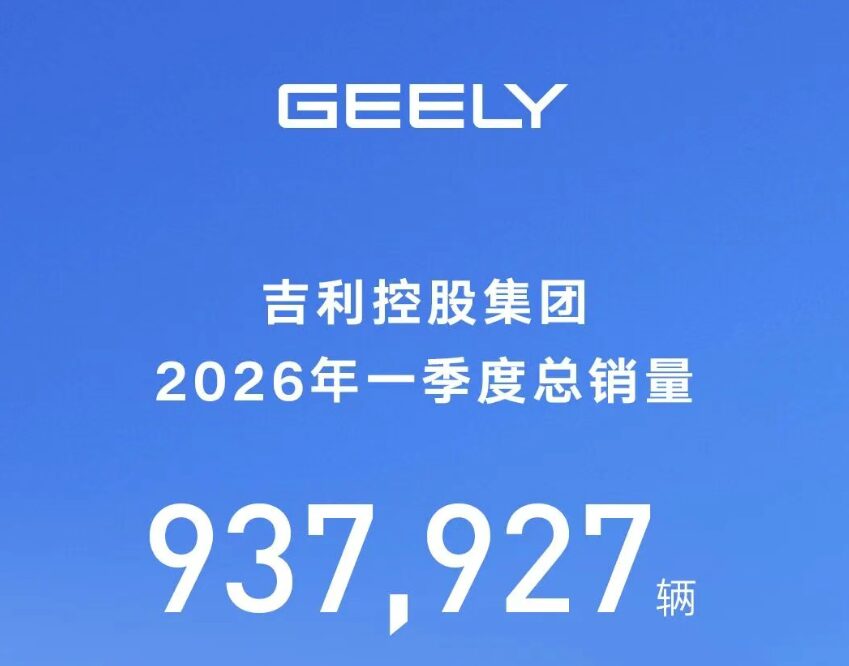
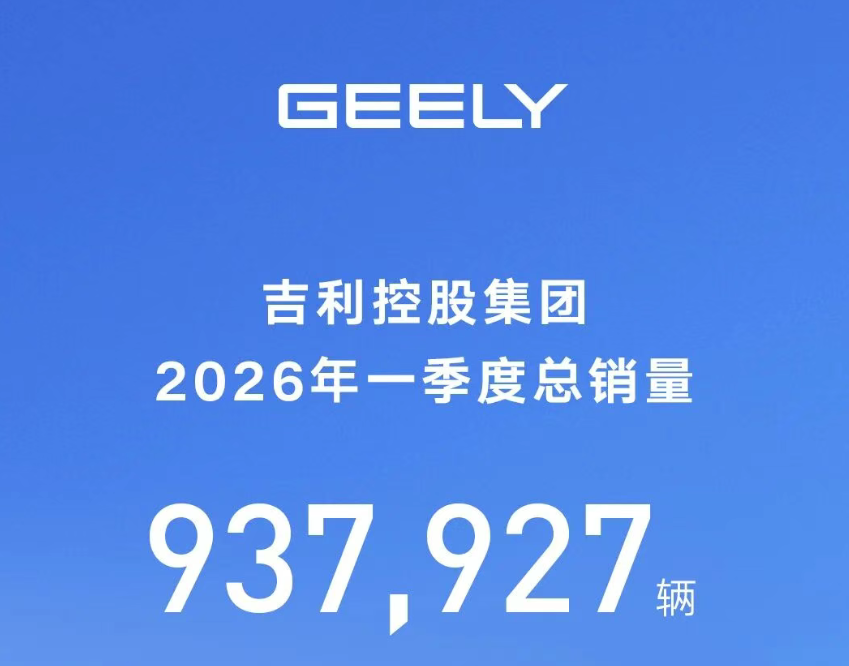
While China’s overall auto market stumbled through its worst start in years, Geely’s historic result of 937,900 units represents a stunning act of defiance. The Hangzhou-based conglomerate didn’t just grow in a shrinking market—it accelerated past its arch-rival BYD in a photo finish that signals a seismic shift in the global EV hierarchy.
The BYD Overtake: A 9,000-Unit Margin
In a statistical upset that rattled industry analysts, Geely Auto (the group’s flagship passenger car division) delivered 709,400 vehicles versus BYD’s 700,500 during the first three months of 2026. While the margin was razor-thin—roughly 9,000 units—it represents the first time in recent memory that BYD has been dethroned from the quarterly sales crown among China’s private automakers.
- Total Group Sales: 937,900 units (historic Q1 high)
- NEV Penetration: 52.4% (vs. 42% market average)
- New Energy Volume: 491,000 units (+5.8% YoY)
- Zeekr Deliveries: 77,000 units (+86% YoY)
Why Hybrid Technology Is Geely’s Secret Weapon
Here’s the strategic insight Western portfolios need to understand: Geely isn’t betting everything on pure battery electrics. While competitors chased the all-EV cliff, Geely quietly ramped up its HEV (Hybrid Electric Vehicle) technology mass production, creating a crucial ‘bridge technology’ that resonates with range-anxious consumers during China’s subsidy withdrawal phase.
The ‘Late Spring’ Advantage
China’s NEV market suffered a brutal ‘late spring’ in Q1, with domestic new energy passenger vehicle sales plummeting 26.7% year-over-year as purchase tax exemptions expired and subsidy adjustments pulled demand forward into late 2025. Yet Geely’s 52.4% electrification rate actually rose, outperforming the market by over 10 percentage points.
The differentiator? While A00 segment city cars collapsed by 68.5%, Geely’s Galaxy and Zeekr brands targeted the booming B+ segment (up 8.1%), offering hybrid options that don’t rely entirely on charging infrastructure. See Reuters analysis on China’s shifting EV subsidies.
Galaxy and Zeekr: The Premium Pivot
Geely’s brand architecture reveals sophisticated market positioning:
- Galaxy Series: 238,800 Q1 sales, hitting 2 million cumulative deliveries in just 37 months
- Zeekr: 86% growth in the premium EV segment, establishing genuine Tesla-level cachet
- China Star: 311,800 ICE sales providing cash flow cushion during transition
This multi-pathway approach—maintaining profitable internal combustion engines while scaling hybrids and premium EVs—offers Western OEMs a masterclass in transition management. Bloomberg reports on legacy automaker hybrid strategies.
The Export Variable: Geely’s Global Chess Game
Beyond domestic dominance, Geely’s simultaneous push into overseas export markets represents an existential threat to European and American recovery plans. While competitors focus on domestic price wars, Geely’s coordinated international expansion—leveraging Volvo’s distribution networks and Polestar’s premium positioning—creates a pincer movement that could flood Western markets before local players complete their EV transitions.
With EU tariffs looming on pure Chinese EVs, Geely’s hybrid-heavy lineup may offer regulatory arbitrage opportunities, potentially circumventing the strictest trade barriers while still delivering electrified efficiency.
Strategic Implications for Western Investors
Geely’s Q1 performance isn’t merely a sales story—it’s a validation of the ‘portfolio approach’ to electrification. While Tesla and pure-play EV startups burn cash chasing battery supremacy, Geely’s holding group structure (spanning Volvo, Polestar, Lotus, and Zeekr) demonstrates that hybrid technology, brand diversification, and global manufacturing footprints matter more than raw battery volume in volatile markets.
Key Takeaway: The Chinese EV wars are entering a consolidation phase where hybrid technology serves as the bridge to full electrification. Geely’s bet on HEV mass production, combined with its record-breaking sales momentum, suggests the company is better positioned than Western competitors to weather the transition’s ‘valley of death’.
[Internal Link: See our analysis on how European automakers are responding to China’s hybrid surge]
Conclusion: The New Normal
Geely’s historic Q1 sales record proves that in China’s maturing EV market, flexibility trumps fundamentalism. By balancing HEV technology with aggressive export expansion and maintaining profitable ICE operations, Geely has built a shock-resistant business model that threatens to outcompete Western rivals still debating whether hybrids have a future. For investors tracking the global automotive transition, Geely isn’t just keeping pace—it’s setting the tempo.