OTA Locking: How Chinese EV Battery Range Vanishes Overnight and What Investors Must Know

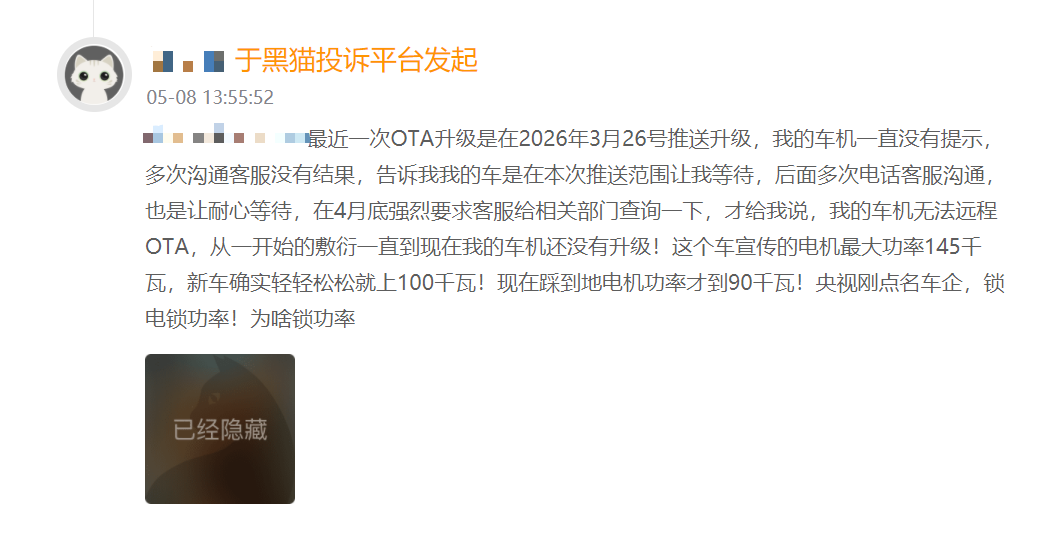
Imagine parking your EV with 510 km of range, only to wake up to 300 km—without any explanation. This is the reality of OTA locking, a controversial practice where automakers remotely limit battery capacity via software updates. For Western investors and industry professionals, understanding this phenomenon is critical to assessing the true residual value and safety of Chinese EVs.
What Is OTA Locking?
OTA (Over-The-Air) locking refers to automakers silently modifying the Battery Management System (BMS) through remote updates, reducing the maximum charge limit and discharge power. This is often done without clear consent or disclosure to owners, leading to sudden drops in range, slower charging, and degraded performance.
Recent Incidents and Industry Response
In 2025, reports emerged of multiple Chinese EV owners experiencing range losses of up to 200 km after OTA updates. A widely circulated article by CCTV initially claimed that eight automakers had been summoned by regulators, but was later corrected to clarify that no official regulatory action had been taken. The China Association of Automobile Manufacturers (CAAM) confirmed no government inquiries or investigations had occurred, calling the rumors unfounded.
Why This Matters to Western Investors
For portfolio managers and analysts tracking Chinese EV makers like BYD, NIO, and Xpeng, OTA locking introduces a hidden risk: battery health degradation and asset value erosion. Unlike physical wear, software-induced capacity loss can be reversed—or hidden—making due diligence on BMS transparency essential.
Key Data Points from Global Media
- A 2024 Reuters investigation found that at least five global automakers have used OTA updates to limit battery output after thermal events, without full disclosure.
- Bloomberg reported that consumer complaints about range loss after updates have surged 40% year-over-year in China, according to data from car quality platforms.
- InsideEVs highlighted that Tesla has also faced lawsuits in the U.S. for similar practices, indicating this is not a China-only issue.
How to Mitigate Risk in Your Portfolio
Western investors should demand that OEMs provide clear OTA update logs and battery health metrics. Look for companies that publish transparent BMS data and commit to not reducing range without explicit owner consent. As the Chinese EV market matures, regulatory pressure may increase—but until then, due diligence is key.
For a deeper dive into battery technology trends, see our analysis on Chinese EV Battery Chemistry Trends.
Conclusion
OTA locking is a real and underreported phenomenon that can drastically affect EV performance and resale value. By staying informed and demanding transparency, Western stakeholders can better navigate the risks and opportunities in China’s fast-moving EV landscape.