US Fast Charging Infrastructure Expansion: Can the Grid Handle the Oil Price Shock?
US Fast Charging Infrastructure Expansion: Can the Grid Handle the Oil Price Shock?
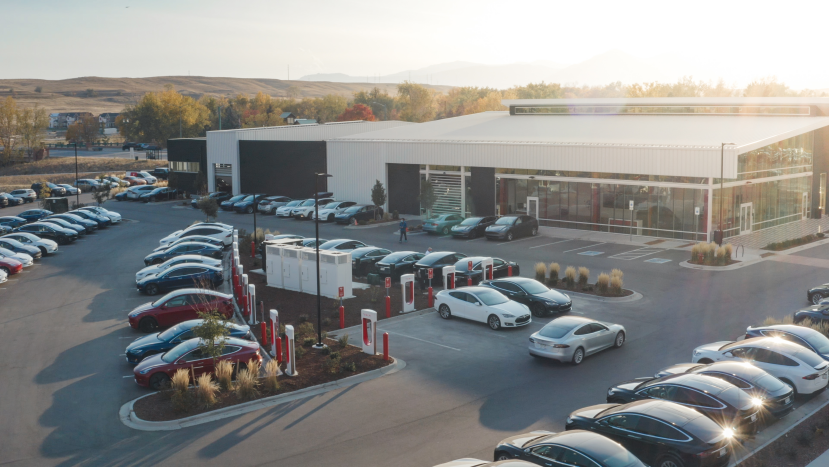
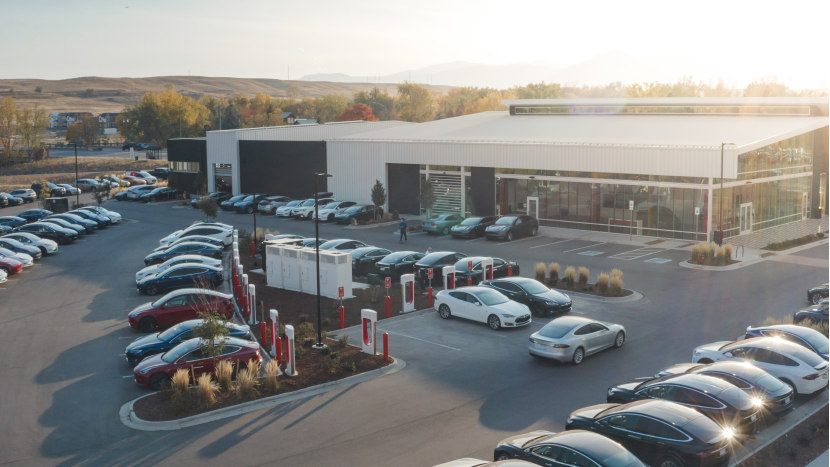
Here is the startling reality: While Iranian conflict sent oil prices soaring and American drivers stampeded toward electric vehicles, the entire United States added just 605 new public fast-charging stations in the first quarter of 2025. That is a 34% year-over-year jump, yet with nearly 13,500 total fast charging points nationwide, the US fast charging infrastructure expansion is barely keeping pace with the renewed surge in EV demand.
This bottleneck represents both a critical vulnerability and a massive opportunity for Western investors watching the energy transition. As a China EV market analyst, I view this infrastructure gap as the single greatest determinant of whether the United States can achieve mass EV adoption or cede automotive dominance to Beijing’s battery supply chain.
The Oil Shock Effect: Why Geopolitics Is Accelerating EV Demand
When Iranian conflict roiled global petroleum markets in March, American consumers felt immediate sticker shock at the pump. This price volatility has historically served as the most effective EV salesman, and 2025 proved no exception.
According to Bloomberg’s analysis of federal data, the charging build-up coincided precisely with gasoline price spikes. Tesla, after suffering months of declining deliveries, posted year-over-year sales growth in Q1—though still falling short of analyst expectations.
The psychological shift is measurable: Reuters reports that Google searches for electric car savings spiked 40% during the same period. Yet as Plug In America’s Ingrid Malmgren notes, federal policy under the current administration has turned hostile to electrification, slashing subsidies and rolling back clean air regulations. The market is moving despite Washington, not because of it.
Private Sector Steps Into the Void
With federal EV tax credits expiring in September 2024 and regulatory uncertainty mounting, private operators are driving the US fast charging infrastructure expansion. The business model has evolved beyond mere electricity sales.
Truck stop chains like Pilot Flying J—now partnered with Mercedes-Benz’s charging subsidiary—are installing chargers not to sell kilowatts, but to capture high-margin convenience store traffic from captive EV owners waiting 20-30 minutes.
- Pilot Flying J deployed chargers at 30 new locations in Q1 alone, stretching from North Carolina to Nebraska
- The company now operates nearly 1,200 charging spaces, roughly half of its planned network
- Brandon Trama, Pilot’s electrification lead, emphasizes matching the convenience, accessibility, and reliability that gas drivers take for granted
This retail-driven approach contrasts sharply with China’s state-coordinated build-out, where State Grid and private giants like Star Charge deploy infrastructure as national industrial policy.
The Infrastructure Gap: A Transatlantic Comparison
Despite the 25% annual growth in fast charging points, the United States still lags behind other developed markets in charger-to-vehicle ratios. Bloomberg’s data reveals that America hosts significantly more EVs per public charger than the European Union or South Korea.
The Multi-Unit Dwelling Challenge
A demographic shift complicates the calculus: unlike early adopters with suburban garages, recent EV buyers increasingly reside in apartments and condominiums. This cohort relies entirely on public fast charging infrastructure, placing unprecedented strain on networks designed for occasional top-ups rather than daily dependency.
NACS Standardization: A Game Changer
The recent adoption of Tesla’s North American Charging Standard (NACS) by Ford, GM, and other legacy automakers promises to consolidate the fragmented market. S&P Global Mobility notes that NACS access effectively doubles the viable fast charging network for non-Tesla EVs overnight, potentially masking the true infrastructure deficit.
[Internal Link: See our analysis on how China’s unified charging standard created the world’s most seamless EV network]
Investment Outlook: Planning for 2035, Not 2026
EV infrastructure data platform Paren projects an 8% expansion in US fast charging capacity through 2026, even as vehicle sales soften. This apparent contradiction—building capacity during a demand lull—reflects operator confidence in long-term electrification.
Quote from Bill Ferro, Paren CTO: The charging operators we speak with are not planning for 2025 or 2026. They are planning for 2035. They may slow the pace, but they are not stopping.
This long-term horizon aligns with global energy transition timelines. However, Western investors should note the capital intensity: unlike China’s centralized planning, US expansion depends on fractured permitting processes, utility interconnection queues stretching 18-24 months, and volatile electricity rate structures.
Strategic Implications for Western Markets
For US and European investors, the current landscape presents a bifurcated risk profile:
- Opportunity: Charging network operators (ChargePoint, EVgo, Pilot’s parent company) are consolidating real estate and customer habits before the next demand wave
- Risk: Without IRA (Inflation Reduction Act) subsidy continuity, the 2035 timeline extends, stranding assets and delaying break-even
- China Factor: BYD and CATL are watching US infrastructure gaps closely. Should American adoption slow, Chinese manufacturers gain runway to dominate emerging markets in Southeast Asia and Latin America, eventually pressuring Western OEMs globally
Recommended Reading
To understand the geopolitical energy dynamics driving this transition, I recommend The New Map: Energy, Climate, and the Clash of Nations by Pulitzer Prize winner Daniel Yergin. Yergin’s analysis of how oil price shocks reshape industrial policy provides essential context for why US fast charging infrastructure expansion has become a national security imperative, not merely an environmental preference.
Disclosure: As an Amazon Associate, we earn from qualifying purchases.