Xpeng GX’s Aggressive Pricing Strategy: A Game-Changer in the EV Market?

Xpeng GX’s Aggressive Pricing Strategy: A Game-Changer in the EV Market?
Is aggressive pricing still the key to success in the highly competitive Chinese EV market? Xpeng’s recent launch of the GX model, with a significant price drop, suggests that it might be.
The Launch and Initial Response
On May 20, 2026, Xpeng launched the GX model with a limited-time offer starting at 269,800 RMB (approximately $39,000 USD). This price is a substantial 130,000 RMB (approximately $19,000 USD) lower than the previously announced pre-sale price of 399,800 RMB. The drastic reduction, nearly one-third of the original price, has sparked a surge in orders. Within just 12 hours of the launch, Xpeng reported over 24,863 pre-orders, with the Ultra flagship version accounting for 80% of the orders.
Market Impact and Stock Performance
The announcement of the GX’s strong initial sales performance had a positive impact on Xpeng’s stock. On the day of the launch, Xpeng’s Hong Kong-listed shares rose by 4.57%. This boost in stock performance highlights the market’s confidence in Xpeng’s pricing strategy and its potential to drive growth.
Context and Strategic Implications
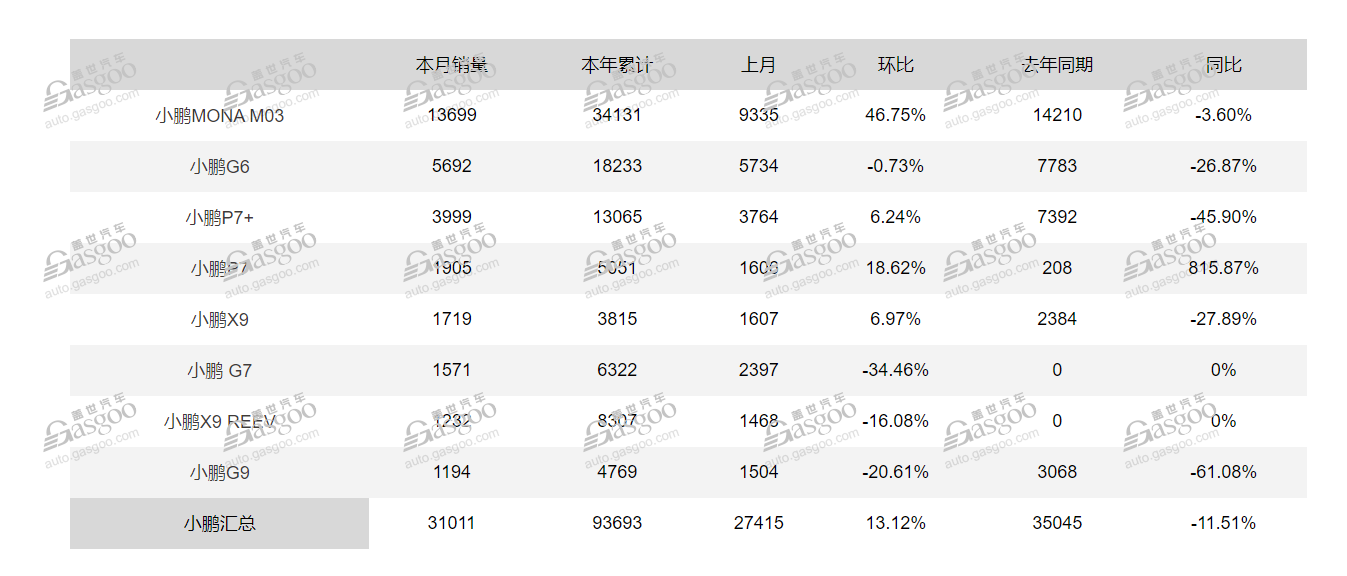
To understand the significance of this pricing strategy, it’s essential to look at Xpeng’s recent market position. In the first four months of 2026, Xpeng’s deliveries were down 27.4% compared to the same period in 2025. The company’s mainstay model, the MONA M03, has been the primary driver of sales, with 175,300 units sold in 2025, accounting for over 40% of total sales. However, other models like the G9, G6, and P7 have seen declining value and deeper discounts.
According to Li Yanwei, an expert from the China Automobile Dealers Association, the 269,800 RMB price point for the GX is not just a competitive move but also a strategic bet to rebuild market confidence. The GX’s aggressive pricing aims to reinvigorate Xpeng’s SUV lineup and attract more customers, especially in a market where other models are struggling.
Broader Market Trends
This pricing strategy is part of a broader trend in the Chinese EV market, where automakers are increasingly using aggressive pricing to gain market share. Recent reports from Reuters and Bloomberg highlight similar strategies by other major players, such as NIO and BYD, who are also offering significant discounts and promotions to boost sales.
However, the long-term sustainability of such aggressive pricing remains a concern. While it can drive short-term sales, it may also erode profit margins and lead to a price war, which could be detrimental to the overall health of the industry. For more insights into the broader implications of these pricing strategies, see our analysis on EV Price War Economics & Hidden Costs.