2026 Autonomous Driving Commercialization: Huawei Declares the Global AV Era Has Begun
2026 Autonomous Driving Commercialization: Huawei Declares the Global AV Era Has Begun
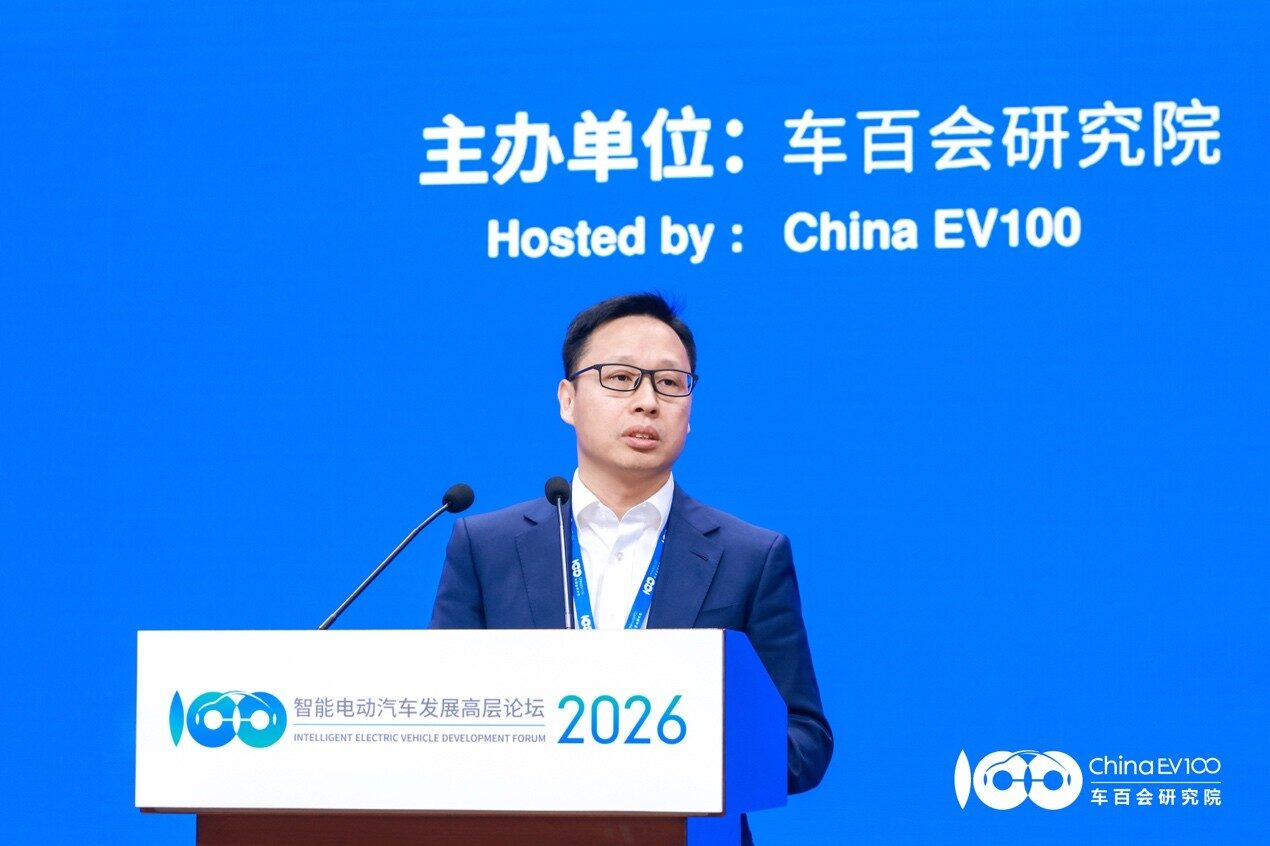
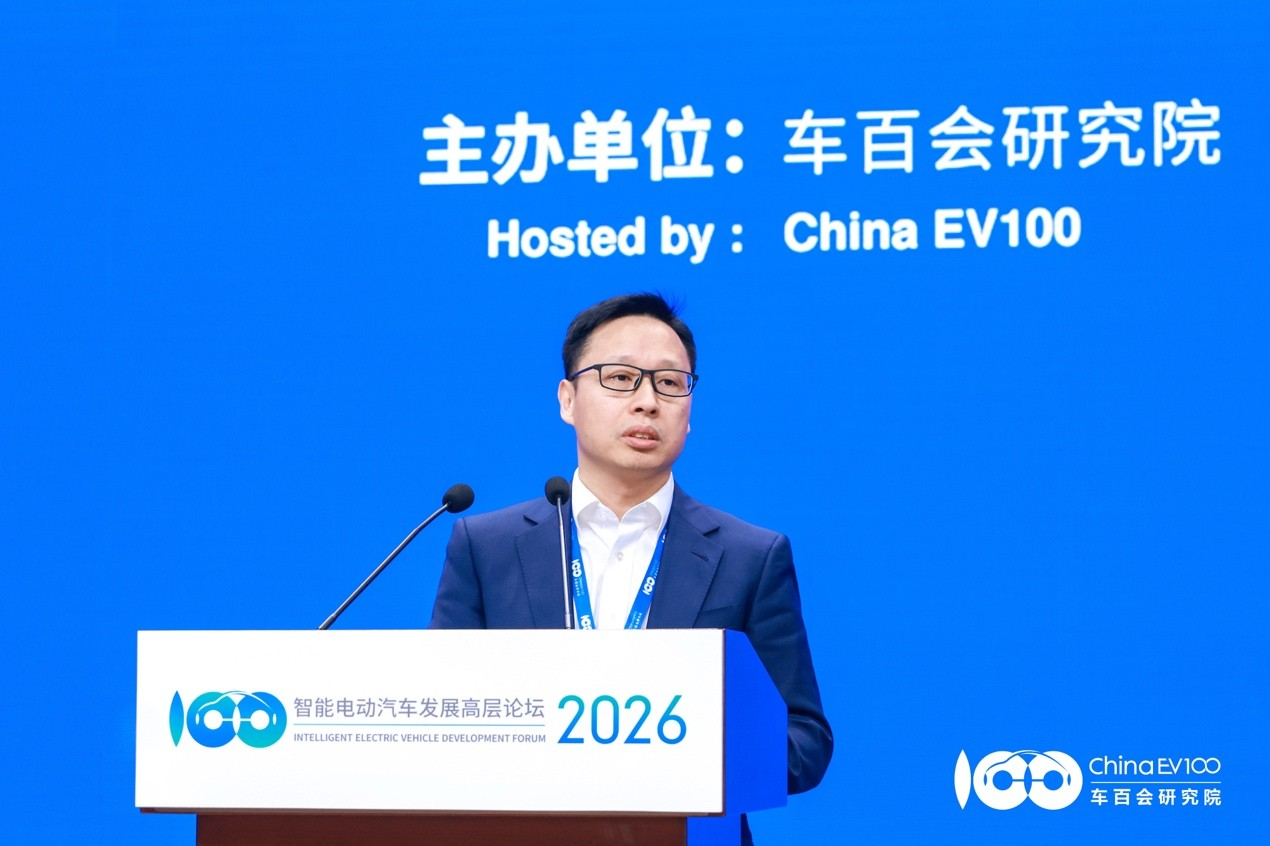
What if the vehicle in your driveway is already 400% safer than you are behind the wheel, yet regulatory frameworks are the only barrier preventing full autonomy? At the Intelligent Electric Vehicle Development Summit on April 11, Huawei Senior Vice President Jin Yuzhi delivered a watershed moment for the industry: 2026 autonomous driving commercialization is not approaching—it has arrived. With the U.S. accelerating its Autonomous Vehicle Safety Act and China systematically rolling out L3 admission standards, the global automotive sector is witnessing the regulatory convergence necessary for mass deployment.
Internal Link Opportunity: See our analysis on China’s L3 regulatory framework compliance requirements for OEMs.
Why 2026 Marks the Definitive Inflection Point
Jin Yuzhi’s characterization of 2026 as the ‘Year One’ of global autonomous driving rests on parallel regulatory momentum in the world’s two largest automotive markets. Unlike previous hype cycles, this convergence is backed by concrete legislative action and safety data that demands attention from Western investors and policymakers.
The US-China Regulatory Synchronization
- United States: The bipartisan Autonomous Vehicle Safety Act is gaining traction in Congress, aiming to establish federal preemption over patchwork state laws that have hampered deployment.
- China: The Ministry of Industry and Information Technology (MIIT) has issued L3 conditional autonomous driving admission permits to select manufacturers, creating a controlled pathway toward unsupervised operation.
This regulatory alignment eliminates the legal ambiguity that has kept autonomous vehicles in pilot purgatory, creating the foundation for 2026 autonomous driving commercialization at scale.
Huawei’s ‘Electronic Screw’ Strategy: Redefining Supply Chain Power
Huawei’s positioning offers a critical lesson for Western observers. By declaring itself an ‘electronic screw’—a foundational component supplier rather than an OEM competitor—Huawei is executing a strategic pivot that avoids the capital-intensive pitfalls of vehicle manufacturing while capturing high-margin software and semiconductor value.
- Partnership Scale: Over 25 automotive brands and 35 production models currently integrate Huawei’s ADS (Advanced Driving System).
- Deployment Volume: More than 1.4 million vehicles have shipped with Huawei ADS hardware, creating a massive real-world training dataset.
- Strategic Neutrality: Unlike Tesla’s closed ecosystem or Waymo’s fleet limitations, Huawei functions as a tier-one supplier accessible to traditional OEMs desperate for intelligent driving capabilities.
This model represents a fundamental shift in automotive power structures, where Silicon Valley software giants and Chinese telecom infrastructure leaders become the decisive competitive advantage rather than legacy mechanical engineering.
Safety Data Transparency: The 4.2x Safety Multiplier
Perhaps the most compelling evidence for 2026 autonomous driving commercialization readiness comes from Huawei’s Safety Travel Report, which Jin Yuzhi urged the entire industry to emulate through transparent data publication.
The statistics reveal a stark reality: vehicles equipped with Huawei’s ADS demonstrate:
- Human Driving Mode: One serious collision every 5.17 million kilometers—2.87 times safer than average human drivers.
- Autonomous Mode: One serious collision every 7.57 million kilometers—4.2 times safer than human operation.
These figures, derived from 1.4 million vehicles across diverse Chinese driving environments, surpass most Western autonomous pilot programs in scale and statistical significance. Jin’s call for industry-wide safety data transparency directly challenges competitors—particularly Western startups—to match this openness or risk losing regulatory trust.
The Hardware Lifecycle Challenge
Jin identified a critical friction point that Western markets must address: the mismatch between vehicle lifecycles (10-15 years) and intelligent hardware obsolescence cycles (2-3 years). This discrepancy threatens to strand early adopters with obsolete autonomous capabilities.
Huawei’s proposed solution—modular hardware upgradeability—mirrors smartphone replacement strategies but faces significant regulatory hurdles in Western markets where modification of safety-critical systems is heavily restricted. For investors, this suggests opportunities in aftermarket upgrade services and certified refurbishment ecosystems.
Strategic Implications for Western Investors
The acceleration toward 2026 autonomous driving commercialization carries distinct implications for US and European stakeholders:
- Supply Chain Vulnerability: Western OEMs’ dependence on Chinese LiDAR, computing platforms, and software algorithms is deepening just as geopolitical tensions rise over EV subsidies and data security.
- Regulatory Competition: China’s systematic L3 rollout provides a regulatory sandbox that may accelerate Chinese AV maturity faster than the US legislative process, potentially creating first-mover advantages in global standards-setting.
- Safety Paradigm Shifts: As vehicles achieve 4x+ safety multiples over human drivers, liability frameworks will inevitably shift from driver negligence to product liability, restructuring insurance and legal risk profiles for automotive stocks.
Conclusion: The Data-Driven Transition
Huawei’s declaration that 2026 represents global autonomous driving’s commercial inflection point is not marketing hyperbole—it is a data-backed assessment of regulatory, technological, and safety milestones. For Western investors and automotive executives, the message is clear: the autonomous transition is no longer a speculative future technology but an immediate commercial reality requiring strategic repositioning.
The question is no longer whether 2026 autonomous driving commercialization will happen, but whether Western markets will participate in its standards and supply chains, or find themselves importing autonomy as they once imported oil.