Is Agentic AI the Future of In-Car Technology in China?
Is Agentic AI the Future of In-Car Technology in China?
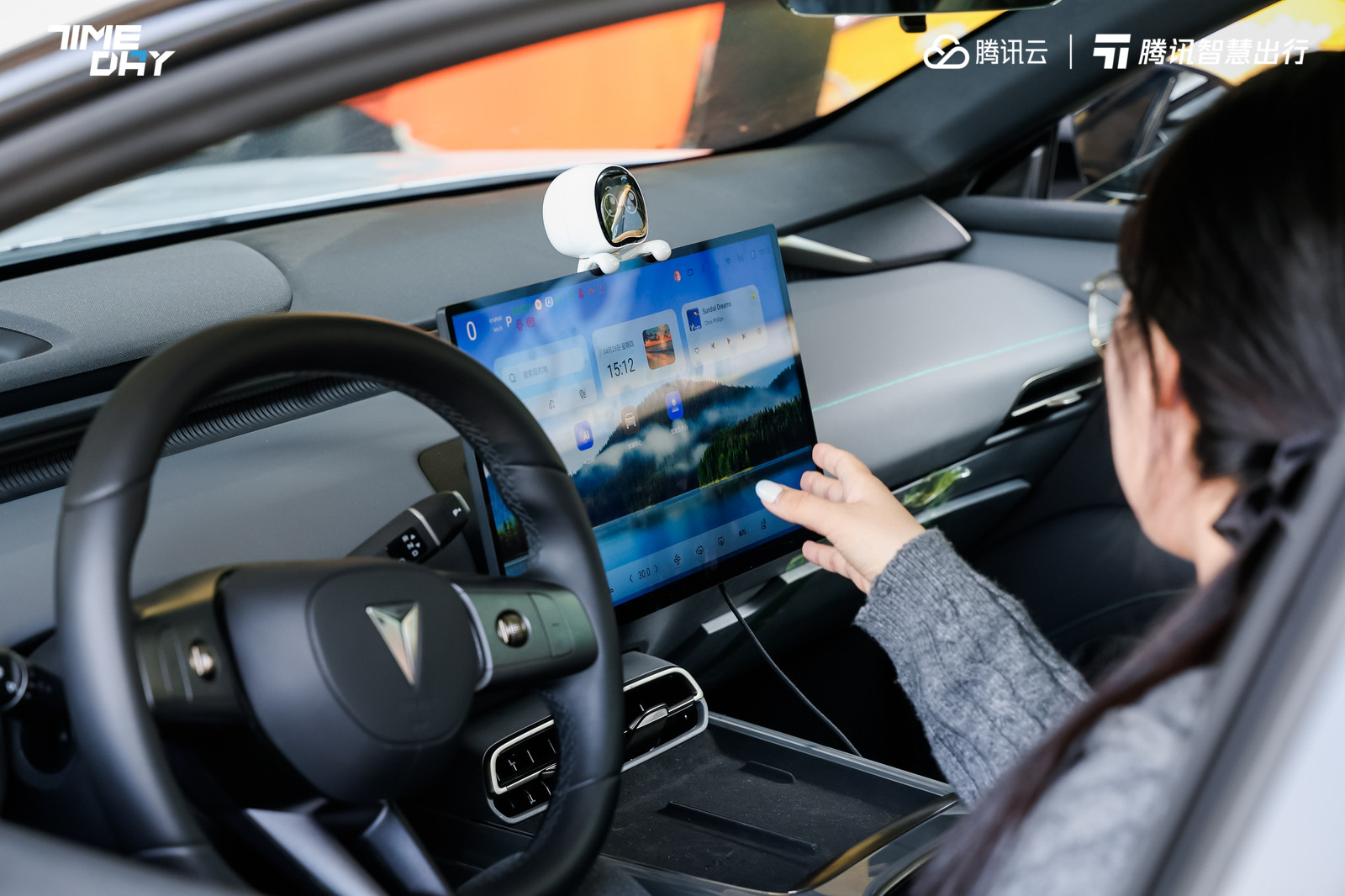
The automotive industry is undergoing a significant transformation, moving from generative AI to agentic AI. This shift is not just about adding more features but about creating intelligent agents that can understand, plan, and execute tasks autonomously. As seen at the Beijing Auto Show, major players like Lenovo, Volcano Engine, Tencent, SenseTime, and MediaTek are leading this change. But what does this mean for the future of in-car technology, and why should Western investors and car buyers pay attention?
From Generative AI to Agentic AI: A Paradigm Shift
In 2023, the automotive industry embraced large language models (LLMs) as a new frontier. However, by 2026, the focus has shifted to agentic AI, which is designed to be more than just a conversational companion. Instead, it aims to be a proactive, task-oriented agent that can handle complex, real-world scenarios.
What is Agentic AI?
- Understanding Intent: Agentic AI can interpret user commands and context more accurately.
- Task Execution: It can break down tasks, allocate resources, and complete them autonomously.
- Proactive Assistance: Unlike traditional voice assistants, agentic AI can anticipate needs and offer solutions proactively.
Why This Matters for Western Investors and Car Buyers
The transition from generative to agentic AI is not just a technological upgrade; it’s a fundamental rethinking of how cars interact with their users. For Western investors, this shift presents both opportunities and challenges. Companies that can successfully integrate agentic AI into their vehicles will likely gain a competitive edge. For car buyers, this means a more intuitive and capable in-car experience, potentially transforming the way we drive and interact with our vehicles.
Key Players and Their Solutions
- Reuters recently reported on Tencent’s new smart mobility solutions, which emphasize the integration of AI with vehicle sensors and services.
- Bloomberg highlighted the advancements made by Volcano Engine, which is developing a unified AI brain to control various in-car functions.
Challenges and Criticisms
While the potential of agentic AI is exciting, there are also concerns. Tencent’s Vice President, Zhong Xuedan, pointed out that the hype around large language models may have been overblown. He argued that simply adding LLMs to cars without practical applications is not beneficial. The key, he emphasized, is to use AI to solve real-world problems in specific driving scenarios.
Technical Foundations
The technical foundation for this shift includes advanced sensor integration, improved data processing, and robust AI algorithms. These technologies enable the creation of a ‘smart’ car that can perceive its environment, make decisions, and take action. For example, Volcano Engine’s solution uses a unified AI brain to coordinate various in-car systems, making the vehicle more responsive and efficient.
Conclusion
The move towards agentic AI in the Chinese automotive market is a significant development that could reshape the global industry. For Western stakeholders, understanding and adapting to this trend is crucial. By focusing on practical, user-centric applications, companies can create more valuable and engaging in-car experiences. See our analysis on the impact of AI on the automotive industry for more insights.