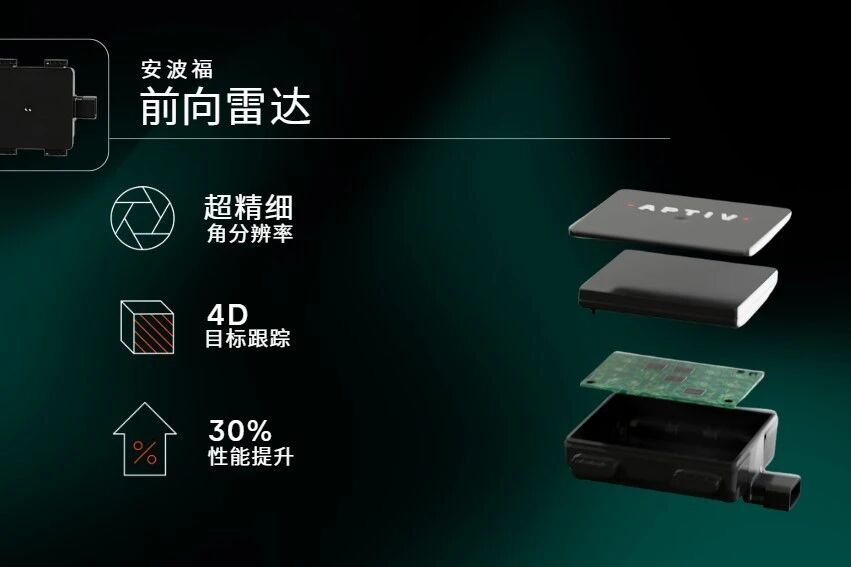
Aptiv Gen 8 Radar: Volvo’s 2028 ADAS Edge and What It Means for Western Suppliers

What if a single sensor platform could redefine automotive safety standards for a decade? Aptiv’s eighth-generation radar, just awarded a production contract with Volvo for 2028, signals a strategic pivot in the global ADAS arms race. For Western investors and auto suppliers, this isn’t just a supplier win—it’s a roadmap to the future of perception technology.
The Aptiv-Volvo Deal: A Technical Deep Dive
On May 13, 2025, Aptiv announced that its Gen 8 radar platform has been selected by Volvo Cars for its next-generation vehicle lineup, starting in 2028. The platform will underpin all safety and driver-assistance functions, leveraging Aptiv’s proprietary antenna and chip designs for high-resolution sensing.
Why Gen 8 Radar Matters
- Unmatched Precision: Superior angle measurement and resolution to handle complex traffic scenarios.
- Robustness: Reliable performance in adverse weather, strong light, and dense urban environments.
- Sensor Fusion Ready: Seamless integration with cameras and other perception technologies.
- Scalability: A flexible architecture that can be deployed across multiple vehicle platforms globally.
Strategic Implications for Western Stakeholders
This deal reinforces the growing importance of software-defined vehicles (SDVs). Volvo and Aptiv are jointly developing a software-defined architecture that will allow over-the-air updates and continuous improvement of ADAS features. For Western OEMs and Tier 1 suppliers, this creates both a benchmark and a competitive threat.
Market Context: The ADAS Supplier Landscape
According to a recent Reuters report, Aptiv has been investing heavily in radar technology to counter rivals like Bosch and Continental. Meanwhile, Bloomberg noted that Volvo’s ‘zero collisions’ vision is driving demand for multi-layered sensor suites, making this radar win a natural fit.
Comparison: Aptiv Gen 8 vs. Emerging Chinese Radar Solutions
Chinese suppliers like Huawei and RoboSense are also pushing high-resolution 4D imaging radars, often at lower cost. However, Aptiv’s strength lies in its integration with global OEM safety standards and its decade-long relationship with Volvo. For Western investors, the key question is whether Aptiv can maintain its technological lead as Chinese competitors scale.
What This Means for Your Investment Strategy
If you’re tracking the ADAS supply chain, Aptiv’s Gen 8 radar is a bellwether for premium sensor adoption. The 2028 timeline may seem distant, but it reflects the long product cycles in automotive safety. Early movers like Volvo gain a competitive advantage in safety ratings and consumer trust.
Actionable Insights
- For Investors: Monitor Aptiv’s radar production ramp and its impact on margins versus Chinese rivals.
- For Auto Executives: Evaluate your own sensor fusion strategy—can you match Aptiv’s resolution and scalability by 2028?
- For Tech Enthusiasts: Expect Volvo’s 2028 models to set new benchmarks in ADAS performance, potentially leapfrogging current Tesla Autopilot capabilities.
See our analysis on China’s New ADAS Standard and Its Impact on Global Suppliers for a broader perspective.