VinFast Battery Swap Infrastructure: 60,000 Stations and the Emerging Market EV Playbook
VinFast Battery Swap Infrastructure: 60,000 Stations and the Emerging Market EV Playbook
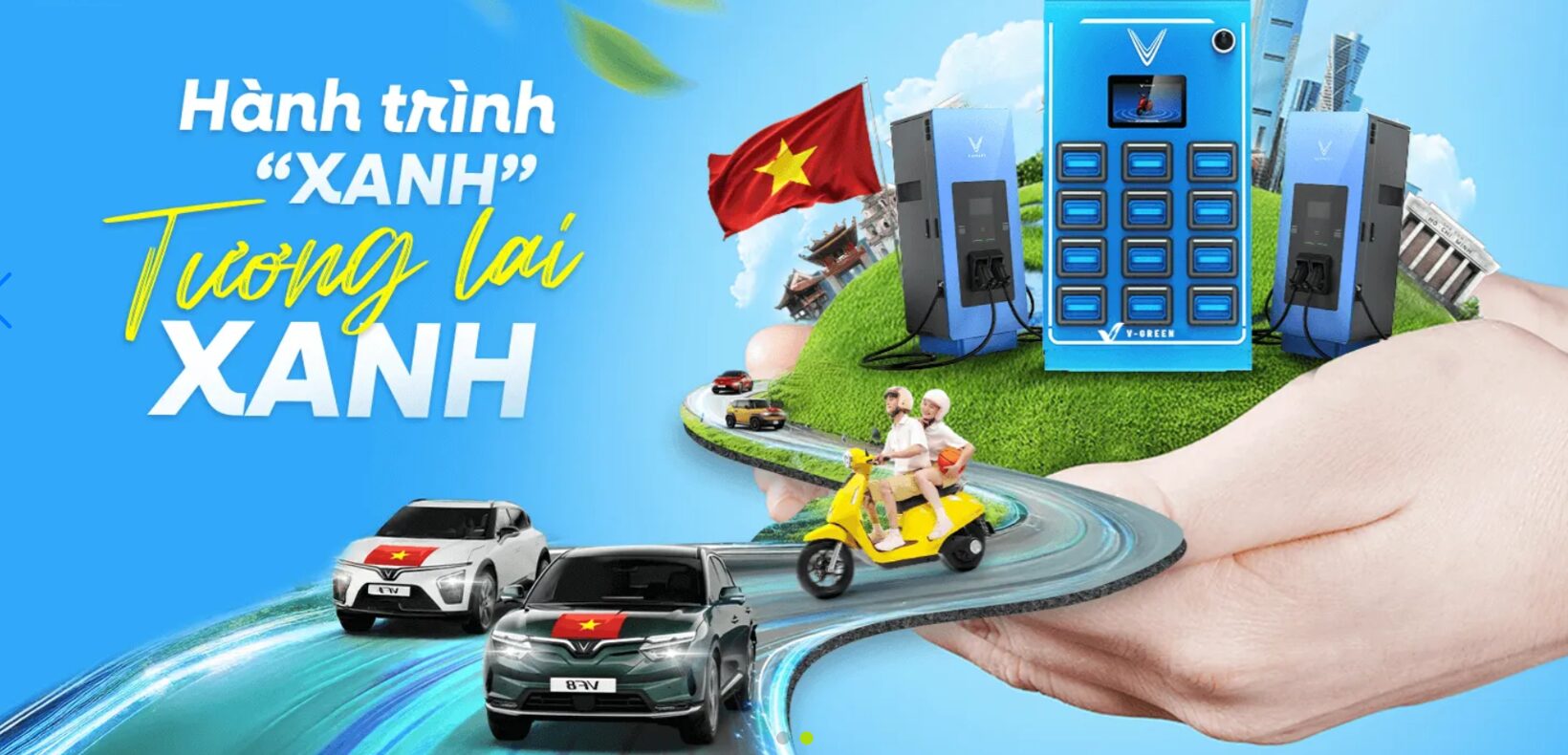
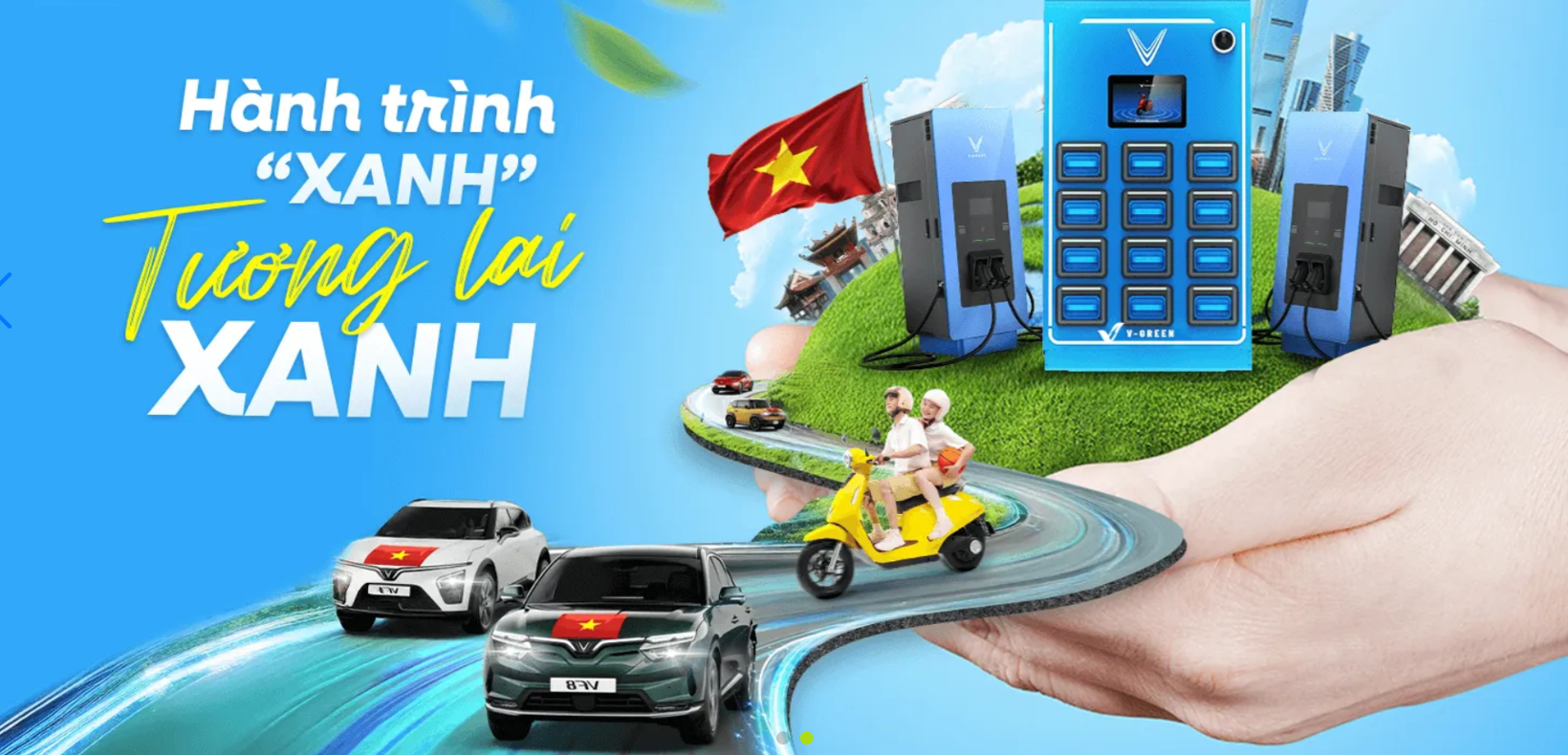
What if the future of electric mobility isn’t faster charging, but no charging at all? While Western EV giants debate the merits of 800V architectures and megawatt charging, VinFast battery swap infrastructure is quietly scaling at a pace that could redefine total cost of ownership (TCO) in emerging markets. V-Green, the energy subsidiary of Vietnam’s automotive unicorn VinFast, announced plans to deploy 60,000 battery swap cabinets across 34 provinces by Q2 2026—a density that would make it the world’s largest two-wheeler swapping network and a critical case study for investors tracking the electrification of developing economies.
The 60,000-Station Gamble: Scale as Strategy
The sheer scale of V-Green’s deployment signals a pivot from vehicle sales to ecosystem lock-in. Unlike the fragmented charging networks plaguing Western EV adoption, VinFast is vertically integrating energy infrastructure with its Feliz II and Evo motorcycle lines. According to energy sector expert Lê Xuân Thành, this represents a ‘regional leadership position’ in EV infrastructure, effectively removing range anxiety through proximity rather than battery density.
For Western investors, the mathematics are compelling:
- Time arbitrage: Sub-60-second battery swaps versus 15-30 minute fast charging
- TCO compression: Commercial drivers report income optimization through eliminated downtime
- Gig economy alignment: 24/7 availability matches the operating patterns of delivery and ride-hailing fleets
Why Battery Swapping Wins in Emerging Markets
While Tesla abandoned battery swapping a decade ago, Asian markets have refined the model. VinFast’s recent struggles in the U.S. market—where it recalled vehicles and faced steep discounting—contrast sharply with its domestic dominance. This divergence highlights a critical insight: emerging market EV success requires infrastructure-first thinking, not premium product positioning.
The model draws parallels to NIO’s persistence with battery swapping in China, which now operates over 2,300 stations. However, V-Green’s focus on two-wheelers—specifically targeting the hyper-local delivery economy—may prove more replicable across Southeast Asian markets than NIO’s premium four-wheeler approach.
The Gig Economy Multiplier Effect
Driver testimonials from Hoàng Bằng, a VinFast Feliz II operator, reveal the economic mechanics driving adoption. ‘I can run more orders, save waiting time, and costs are more stable,’ he noted, highlighting how swap infrastructure converts energy uncertainty into predictable operating expenses. This aligns with Gogoro’s proven model in Taiwan, where battery-as-a-service has captured the scooter market through similar value propositions.
See our analysis on how NIO’s battery swap strategy compares to Western fast-charging networks for additional context on swapping economics.
Strategic Risks: Capital Intensity and Competitive Moats
Despite the bullish deployment targets, execution risks loom. VinFast’s parent company has burned through significant capital expanding globally, raising questions about the funding sustainability of such aggressive infrastructure buildouts. The 60,000-station target requires coordination across 150,000 planned sites—a logistics challenge that has defeated lesser-funded competitors.
Moreover, the strategy creates dependency. Unlike universal charging standards, battery swapping requires proprietary form factors. If VinFast’s motorcycle sales stall, the infrastructure becomes stranded assets. This contrasts with China’s approach, where the government is standardizing swappable battery specifications across manufacturers to prevent ecosystem fragmentation.
Investment Implications: A Different Playbook
For U.S. and European investors evaluating emerging market EV exposure, V-Green’s expansion offers three key takeaways:
- Infrastructure arbitrage: Markets with unreliable grid access may leapfrog to swapping rather than charging
- Commercial-first adoption: B2B fleet economics drive infrastructure viability before consumer demand
- Subsidy dependency: Free swaps until 2028 and subsidized charging create artificial TCO advantages that require monitoring
The Vietnamese model suggests that in markets where two-wheelers dominate urban transport and labor costs favor high-utilization vehicles, battery swapping isn’t a technological anachronism—it’s a competitive necessity. Whether this translates to VinFast’s four-wheeler ambitions or remains a regional peculiarity depends on execution of the 2026 deployment targets.