BMW Mini India Expansion 2026: Local Production Targets Doubled Sales
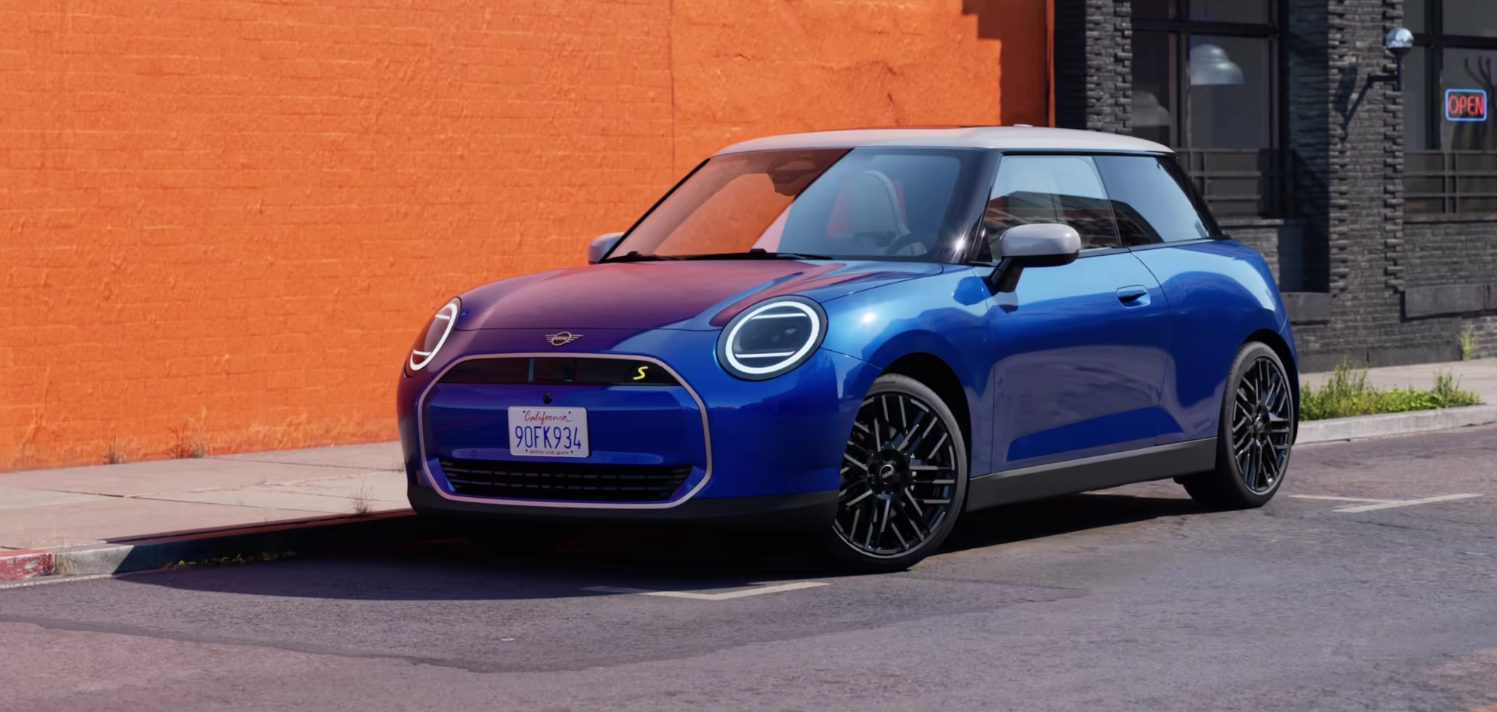
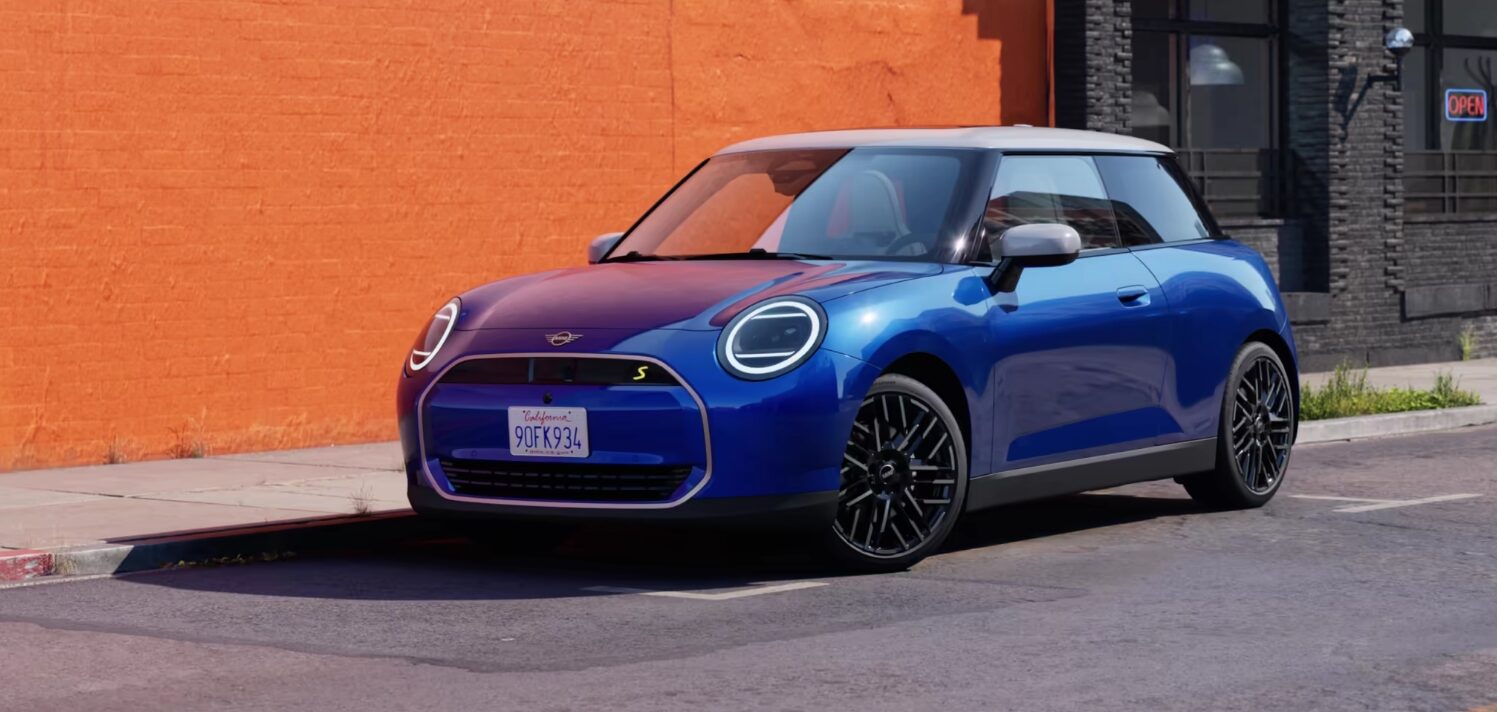
What happens when the world’s largest automotive market stops delivering growth? Legacy luxury brands are quietly executing Plan B and BMW’s Mini just placed its biggest bet yet on India. BMW Mini India expansion 2026 plans center on a bold localization gamble: by producing the Countryman locally and expanding into tier-2 cities, BMW Group India aims to double sales in a market long overlooked by Western analysts fixated on China.
From Import Tariffs to Local Production: The India Gamble
The cornerstone of BMW’s strategy rests on a single move: bringing the Mini Countryman into local production by mid-2026. Currently, Mini operates as a fully imported brand in India, subject to steep tariffs that compress margins and limit volume. By localizing the Countryman the brand’s volume leader BMW aims to bypass India’s 60-100% import duties on completely built units while expanding addressable market share.
According to Hardeep Singh Brar, President and CEO of BMW Group India, the locally produced Countryman will serve as the key catalyst for scaling volume and expanding market reach. This aligns with broader industry trends: Reuters reports that luxury automakers are increasingly viewing India as a hedge against Chinese market saturation, with Mercedes-Benz and Audi similarly ramping up local assembly operations.
The Numbers Behind the Strategy
- 2025 Baseline: Mini sold 730 units in India, representing modest 3% year-over-year growth
- 2026 Q1 Momentum: Sales accelerated to 213 units (up 42%), suggesting the strategy is gaining traction ahead of localization
- 2026 Target: Approximately 1,460 units doubling the 2025 baseline
- Retail Footprint: Expansion from 13 to 22 outlets across 22 cities by year-end
Product Offensive: Nine New Variants and the ICE-EV Balance
BMW isn’t relying solely on manufacturing economics. The 2026 lineup includes one all-new model and nine special editions, dramatically expanding a portfolio that had atrophied to just two variants the Cooper S Hatch and Countryman Electric through 2024.
Notably, the brand has reintroduced the Mini Convertible, Countryman JCW ALL4, and Countryman SE ALL4 within the past six months. This product revitalization addresses a critical gap: limited choice had constrained Mini’s ability to capitalize on India’s growing aspirational luxury segment.
Perhaps most telling for Western observers is the powertrain mix. Despite global electrification mandates, Mini’s Indian customers remain firmly committed to internal combustion. Fuel-powered models accounted for 70% of Q1 2026 sales, with Brar expecting this ratio to climb further once the locally produced ICE Countryman launches. This contrasts sharply with BMW’s Chinese strategy, where the company faces intense pressure from domestic EV brands like BYD and Nio. Bloomberg analysis suggests India’s charging infrastructure lag and price-sensitive luxury segment create unique conditions where legacy ICE products retain competitive advantage longer than in developed Asian markets.
Retail Expansion: Beyond the Metros
Mini’s growth strategy extends beyond manufacturing into geographic penetration. The brand plans to enter eight new cities in 2026, including Lucknow, Ranchi, Guwahati, Surat, Vijayawada, and Cuttack markets traditionally underserved by premium automakers.
This tier-2 focus reflects a maturation of India’s luxury car market. As Financial Times automotive coverage notes, India’s high-net-worth individuals are increasingly concentrated in secondary cities, yet premium dealership networks remain concentrated in Delhi, Mumbai, and Bangalore. Mini’s expansion to 22 retail points leverages BMW Group India’s existing service infrastructure 52 centers across 40 cities providing aftermarket support without prohibitive capital expenditure.
Strategic Implications for Western Investors
For US and European stakeholders, BMW’s Mini India strategy offers three critical insights:
Supply Chain Diversification Accelerates
The localization push forms part of a broader China Plus One manufacturing strategy. While BMW continues to maintain significant Chinese operations, the India expansion provides tariff resilience and reduces currency fluctuation risks. Investors should note that India offers production-linked incentives for automotive manufacturing that rival China’s historical subsidy structures, albeit with more complex regulatory navigation.
The Premiumization Play
Mini’s doubling strategy targets India’s upper-middle class a demographic expanding at 8-10% annually according to McKinsey estimates. Unlike mass-market Chinese EVs flooding Southeast Asian markets, Mini’s premium positioning avoids direct competition with price-aggressive domestic Indian brands like Tata Motors. This mirrors Mercedes-Benz’s successful India strategy, which prioritizes margin protection over volume chasing.
See our analysis on China’s EV export dominance to understand how Western luxury brands are repositioning to defend premium segments against emerging market disruption.
ICE Longevity in Emerging Markets
The 70% ICE sales mix challenges the narrative of universal EV transition timelines. India’s infrastructure constraints and fossil fuel subsidy structures suggest hybrid and ICE premium vehicles will retain market share longer than projected in EU or Chinese markets. This extends the revenue runway for legacy powertrain investments that Western OEMs had prematurely written down.
Conclusion: A Test Case for Legacy Agility
Mini’s 2026 India expansion represents more than a regional sales target it serves as a laboratory for how legacy luxury brands can adapt to post-China growth strategies. Success here requires executing the notoriously difficult trifectum of local manufacturing partnerships, tier-2 retail economics, and ICE-EV portfolio balancing.
If BMW hits its doubling target, the playbook will likely export to other emerging markets facing similar tariff and infrastructure constraints. For investors tracking automotive transition narratives, Mini’s India numbers may soon matter more than its German or Chinese volumes.