ECARX Stock Governance Overhaul: Why a European Chairman Changes Everything
ECARX Stock Governance Overhaul: Inside the Appointment That Could Reshape Chinese Auto Tech Investing
What if the safest way to invest in Chinese semiconductor stocks is not to avoid them, but to demand Western governance standards that mitigate geopolitical risk? That question just became urgent for ECARX stock investors after the Nasdaq-listed automotive chip supplier announced a seismic leadership change that signals serious intent to bridge East-West corporate divides.
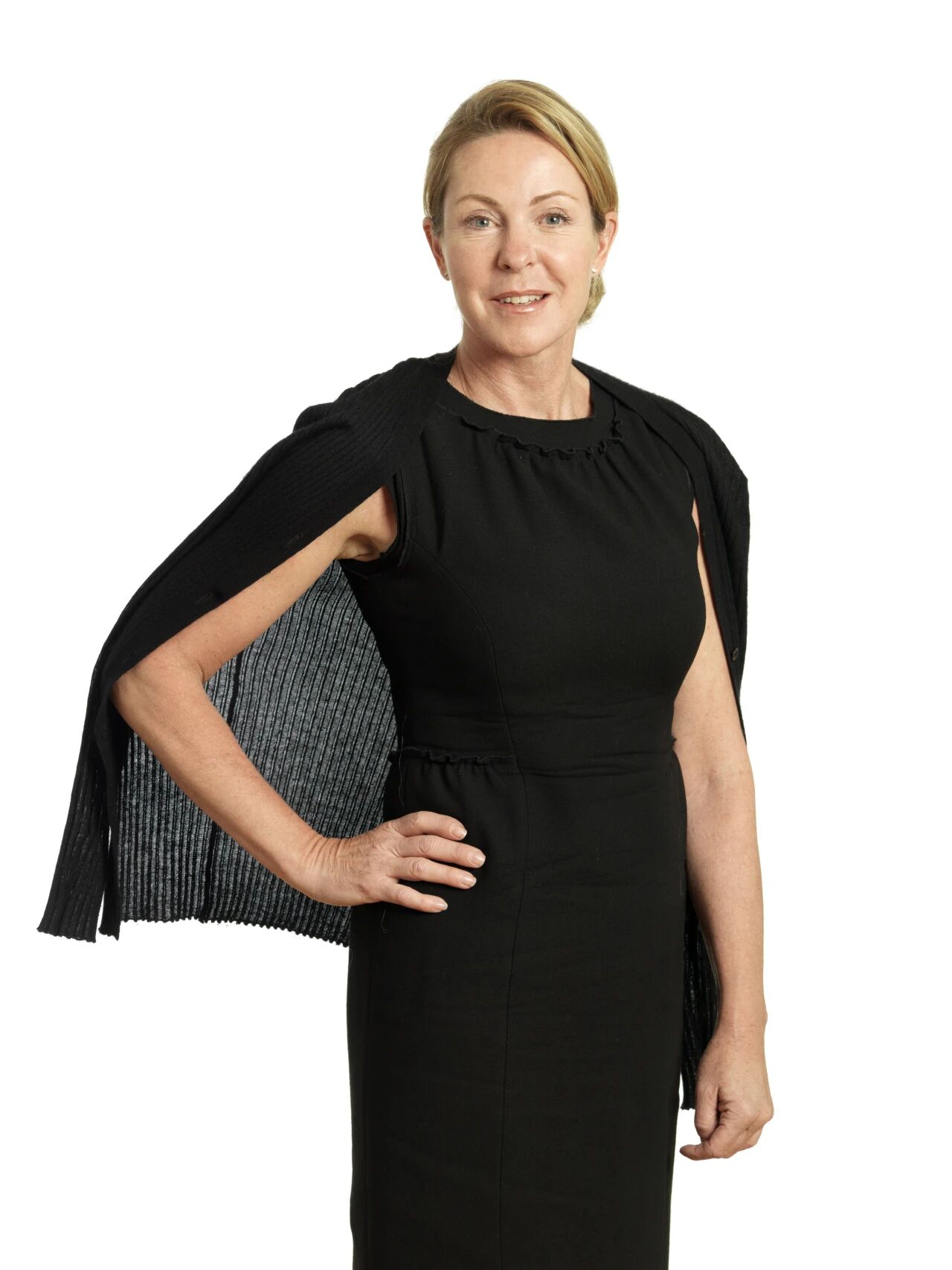
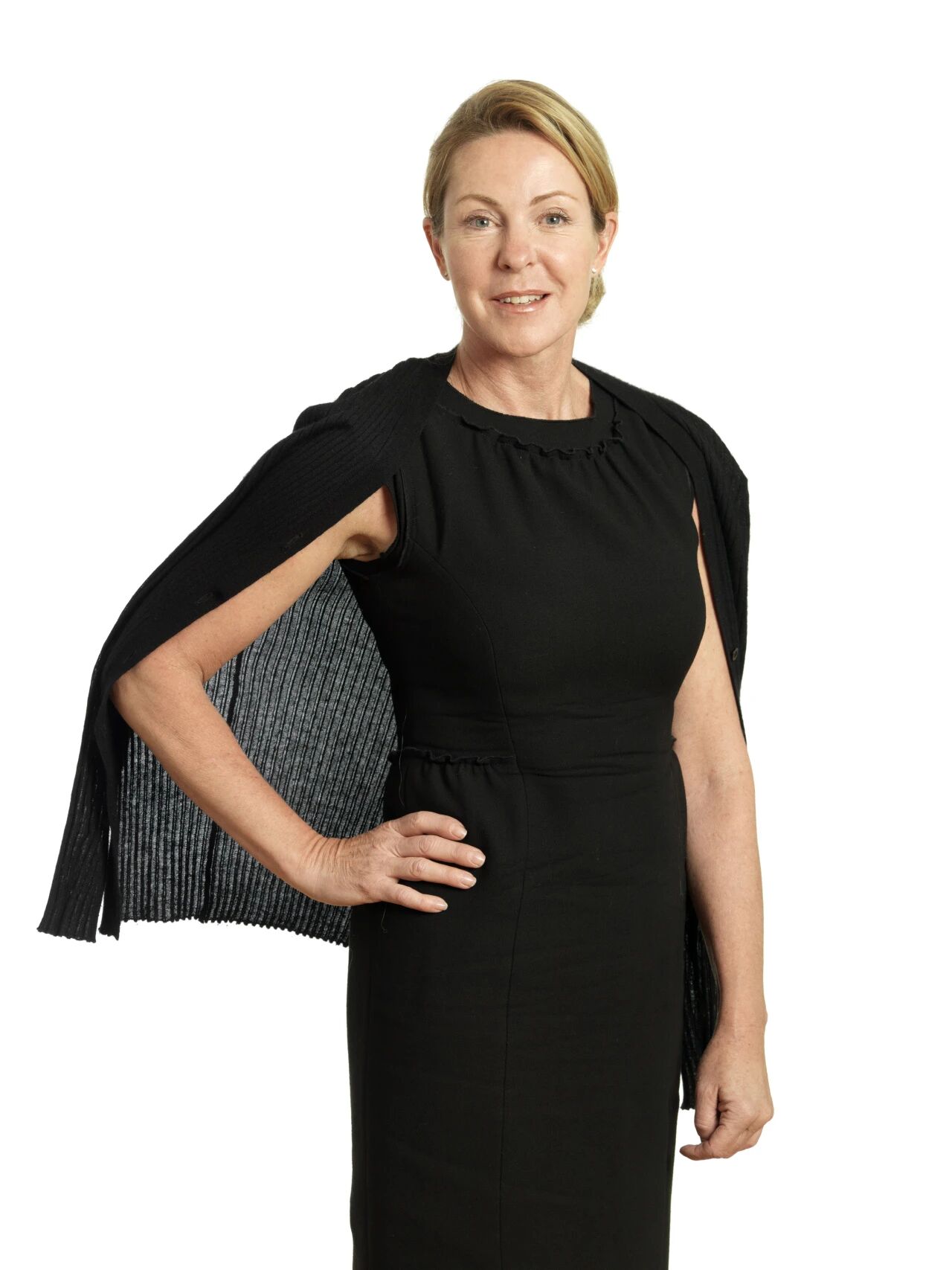
On April 16, ECARX Holdings (NASDAQ: ECX) appointed Lone Fønss Schrøder, a Danish veteran of Volvo Cars and IKEA Group, as its new Chairman. The move separates the Chairman and CEO roles—previously both held by founder Shen Ziyu—in a rare governance upgrade for U.S.-listed Chinese auto-tech firms. For Western investors tracking ECARX stock governance developments, this is not merely a personnel change. It is a strategic pivot designed to de-risk exposure to China’s chip localization push while unlocking European market opportunities.
The Power Shift: Separating Chair and CEO
Effective immediately, Schrøder assumes the Chairmanship while Shen Ziyu retains his CEO and Board Director positions. This separation of powers addresses a longstanding governance vulnerability common to Chinese founder-led companies: concentrated decision-making authority.
- Governance Upgrade: The dual-role split aligns ECARX with Western best practices for publicly traded firms, potentially easing concerns among institutional investors governed by strict fiduciary mandates.
- Clarity of Accountability: The company explicitly stated this restructuring clarifies authority boundaries and improves operational efficiency—a coded message to markets that founder control is yielding to professional management standards.
Who Is Lone Fønss Schrøder? The Volvo-IKEA Pedigree
Schrøder brings a rare combination of automotive transformation experience and Western corporate governance credibility. Since 2010, she has served on Volvo Cars’ Board of Directors, most recently as Vice Chairman, where she directly influenced the company’s electrification and software-defined vehicle strategies.
From Geely Sweden to Ingka Group
Beyond Volvo, Schrøder currently chairs Geely Sweden Holding and serves on the boards of Ingka Group (IKEA’s parent) and Ikano Bank. This portfolio matters for ECARX stock analysis because:
- European Trust Networks: Her IKEA and banking board experience signals familiarity with Western regulatory compliance and shareholder transparency standards.
- Geely Ecosystem Insight: As chair of Geely Sweden, she understands the complex ownership structures linking ECARX to its parent company, potentially enabling more independent oversight of related-party transactions.
- Automotive Tech Fluency: Her decade-long Volvo tenure coincided with the brand’s aggressive shift toward software-defined architectures—precisely ECARX’s core business.
Why This Matters for Western Investors
The appointment arrives at a critical inflection point for Chinese ADRs (American Depositary Receipts). With U.S.-China audit tensions persisting despite the 2022 PCAOB agreement, investors increasingly demand governance overlays that reduce regulatory delisting risks.
The 50% International Revenue Gambit
ECARX has publicly committed to generating 50% of revenue from international customers by 2030—up from its current heavy dependence on Geely-brand vehicles. Schrøder’s appointment directly services this ambition.
Her presence provides European OEMs (original equipment manufacturers) with a familiar governance face when evaluating ECARX’s chip modules, smart cockpit systems, and LiDAR technologies for integration into non-Chinese vehicle platforms. The company already supplies technology to over 11 million vehicles globally, but breaking into premium European and U.S. supply chains requires governance standards that satisfy Western due diligence.
Mitigating Geopolitical Chip Risk
As Washington tightens export controls on advanced semiconductors and Beijing accelerates chip localization, ECARX occupies a precarious middle ground. A European Chairman may provide diplomatic insulation against the worst excesses of technology decoupling, positioning ECARX as a governable entity rather than an opaque Chinese state-adjacent supplier.
See our analysis on Geley’s Global Chip Supply Chain Strategy for deeper context on how Chinese auto conglomerates are restructuring to maintain Western market access.
The Risks: Governance Theater or Real Change?
Despite the optimistic ECARX stock governance narrative, significant risks remain that Schrøder’s appointment cannot immediately resolve.
- Revenue Concentration: ECARX still derives the majority of its income from Geely-controlled brands. True independence requires customer diversification that governance changes alone cannot guarantee.
- Ultimate Control: While Schrøder chairs the board, Geely founder Li Shufu ultimately controls the voting structure through holding companies. Western governance standards remain vulnerable to concentrated ownership.
- Technology Transfer Scrutiny: As ECARX develops advanced AI chips and autonomous driving platforms, U.S. and EU regulators may scrutinize whether European governance truly prevents technology leakage to Chinese military-civil fusion programs.
Conclusion: A Template for Chinese Tech ADRs?
ECARX’s appointment of Schrøder represents more than a single company’s governance tweak. It offers a potential template for how Chinese automotive semiconductor firms can remain investable for Western capital amid intensifying geopolitical fragmentation.
For investors holding ECARX stock, the move suggests management recognizes that technology alone cannot secure global market share—trustworthy governance structures are equally critical. Whether this trust translates into sustained valuation premiums depends on ECARX’s ability to hit its 2030 international revenue targets while maintaining its technological edge against Western Tier 1 suppliers like Qualcomm and Nvidia.
Sources: Company filings via ECARX Investor Relations; Reuters coverage of Chinese automotive chip localization trends; Bloomberg analysis of U.S.-China audit agreements.