
BMW iX5 Hydrogen Fuel Cell SUV: 620km Range Breakthrough Challenges EV Dominance
BMW iX5 Hydrogen Fuel Cell SUV: The 620km Game-Changer?
What if the future of zero-emission driving isn’t a battery, but a tank of hydrogen? While Western automakers scramble to secure lithium supply chains dominated by Chinese refiners, BMW just revealed a disruptive alternative that could reshape the zero-emission landscape. The BMW iX5 Hydrogen Fuel Cell SUV promises 620 kilometers of range with sub-five-minute refueling, challenging the narrative that battery electric vehicles are the only path forward.
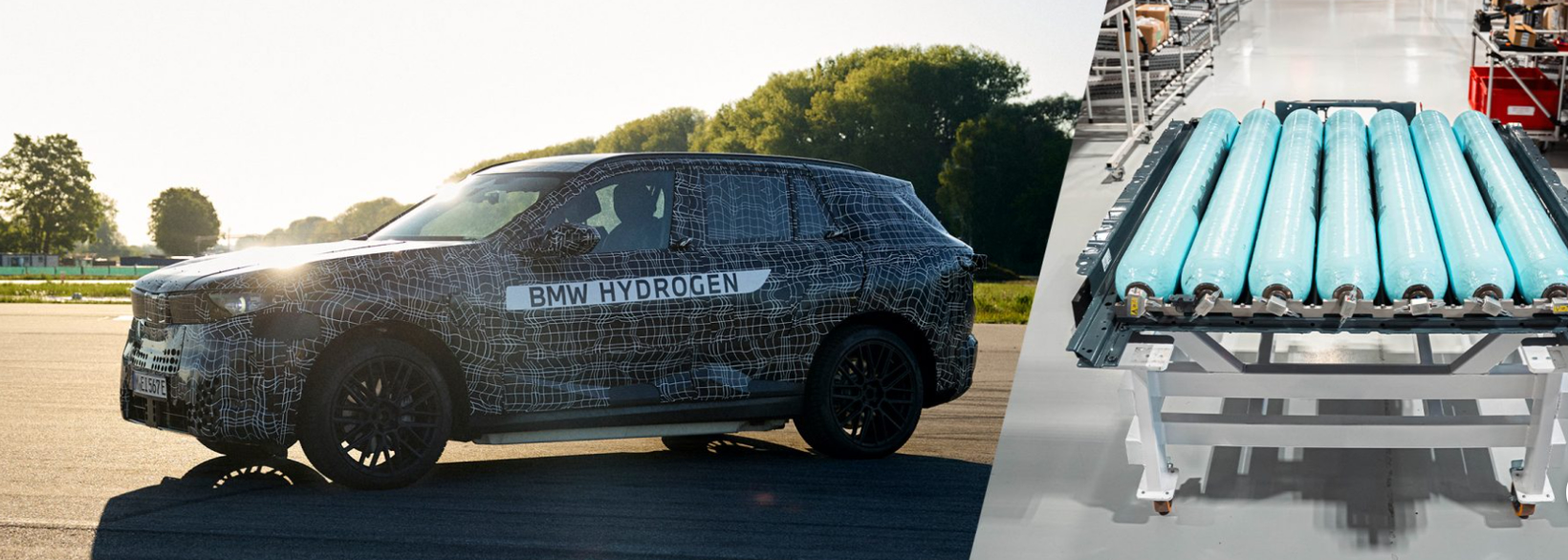
According to technical specifications released by the German manufacturer, the iX5 Hydrogen achieves this impressive range through a proprietary ‘Flat Storage System’ that stores 7kg of compressed hydrogen in seven carbon-fiber reinforced tanks. This isn’t merely an incremental update—it is a packaging revolution that allows hydrogen, electric, and combustion X5 models to roll off the same production line.
The Engineering Breakthrough: Flat Storage Explained
BMW’s ‘BMW Hydrogen Flat Storage System’ represents a fundamental rethink of hydrogen tank architecture. Unlike conventional cylindrical tanks that waste space, this system integrates seven carbon-fiber reinforced composite chambers into a single metal frame unit controlled by a central master valve.
- Capacity: 7kg of hydrogen storage
- Range: 620km (385 miles) per fill
- Refueling: Under 5 minutes
- Integration: Shared platform with ICE and BEV variants
Dr. Joachim Post, BMW’s Board Member for Development, describes this modular approach as ‘technical Tetris’—allowing customers to choose their powertrain without compromising interior space or vehicle dynamics. This flexibility addresses a critical pain point for Western manufacturers: the capital expenditure required for dedicated EV platforms.
Why This Matters for Western Markets
For US and European investors evaluating automotive portfolios, the iX5 Hydrogen signals a strategic hedge against Chinese lithium dominance. While Beijing controls approximately 60% of global lithium refining capacity and 80% of battery cell manufacturing, hydrogen offers a geopolitically diversified energy pathway.
Supply Chain Diversification
The hydrogen fuel cell supply chain relies on platinum group metals and advanced carbon fiber—materials where Western suppliers maintain competitive positions. According to Reuters, BMW explicitly views hydrogen as a tool to reduce dependency on Chinese battery supply chains while maintaining technological leadership.
Manufacturing Flexibility
The ability to produce hydrogen, electric, and combustion variants on a single line—what BMW calls ‘technical openness’—provides crucial optionality as regulatory landscapes shift. This contrasts sharply with Tesla’s dedicated BEV architecture or Volkswagen’s struggling platform transitions.
The Toyota Connection and Competitive Landscape
BMW’s hydrogen ambitions aren’t developing in isolation. The Munich-based manufacturer has collaborated with Toyota since 2013 on fuel cell technology, leveraging the Japanese giant’s experience with the Mirai sedan. However, BMW’s approach differs significantly: while Toyota focuses on dedicated hydrogen platforms, BMW integrates the technology into existing luxury SUV architecture.
This strategy positions the iX5 against the Hyundai Nexo, currently the only hydrogen SUV widely available in Western markets. With 620km of range, the BMW surpasses the Nexo’s 611km rating, potentially establishing a new segment benchmark. Bloomberg reports that EU hydrogen refueling infrastructure is expanding along major transport corridors, potentially addressing the infrastructure gap that has plagued fuel cell adoption.
Reality Check: Infrastructure and Timing
Despite the technical achievements, significant hurdles remain. BMW has not announced a commercial launch timeline for the iX5, suggesting the vehicle remains in pilot fleet phase. With fewer than 200 hydrogen stations operational across the United States, infrastructure remains the primary constraint.
Additionally, green hydrogen production—using renewable energy for electrolysis—remains expensive compared to battery charging. Financial Times analysis indicates that until electrolyzer costs drop below $400 per kilowatt, hydrogen passenger vehicles will struggle to achieve cost parity with BEVs.
Internal Link: See our analysis on China’s hydrogen highway strategy and its implications for Western automakers to understand how infrastructure development patterns differ across global markets.
Investment Implications
For investors, BMW’s hydrogen strategy represents a ‘real options’ approach to decarbonization—maintaining technological flexibility while Chinese supply chains face increasing geopolitical scrutiny. The 620km range threshold crosses a psychological barrier for range anxiety, potentially making hydrogen viable for long-distance luxury SUV buyers who lack home charging access.
Whether the iX5 represents a genuine alternative to BEVs or an expensive insurance policy against lithium shortages remains to be seen. But with supply chain security now paramount in automotive boardrooms, BMW’s hydrogen bet may prove prescient.