BMW’s Q1 Profit Slump: A Sign of Western OEM Challenges in the Chinese EV Market?
BMW’s Q1 Profit Slump: A Sign of Western OEM Challenges in the Chinese EV Market?
Is BMW’s 25% decline in Q1 tax profit a harbinger of the broader challenges facing Western OEMs in the rapidly evolving Chinese EV market? Let’s dive into the details and explore the implications.
Key Financial Metrics
According to Gasgoo, BMW Group reported a 25% decline in Q1 tax profit, with revenues dropping by 8% to €310 billion. The company’s EBIT margin for its automotive business fell to 5%, down from 6.9% in the previous year. Various tariffs, including those imposed by the US and EU on Chinese EVs, contributed to a 1.25 percentage point decrease in BMW’s margins.
Market Dynamics and Strategic Shifts
Despite the financial downturn, BMW remains committed to its 2026 financial targets. However, the company acknowledges that the current outlook does not account for potential increases in US tariffs, which could add €540 million in costs, according to Bloomberg.
Challenges in the Chinese Market
BMW, like other Western OEMs, is grappling with the rapid rise of Chinese brands such as BYD and Xiaomi, which are aggressively expanding their market share with affordable, high-tech vehicles. In Q1, BMW’s sales in China declined by 10% to 144,072 units, contributing to a 3.5% global sales drop. This trend underscores the need for Western OEMs to adapt and innovate to remain competitive in the Chinese market.
Strategic Investments and Future Outlook
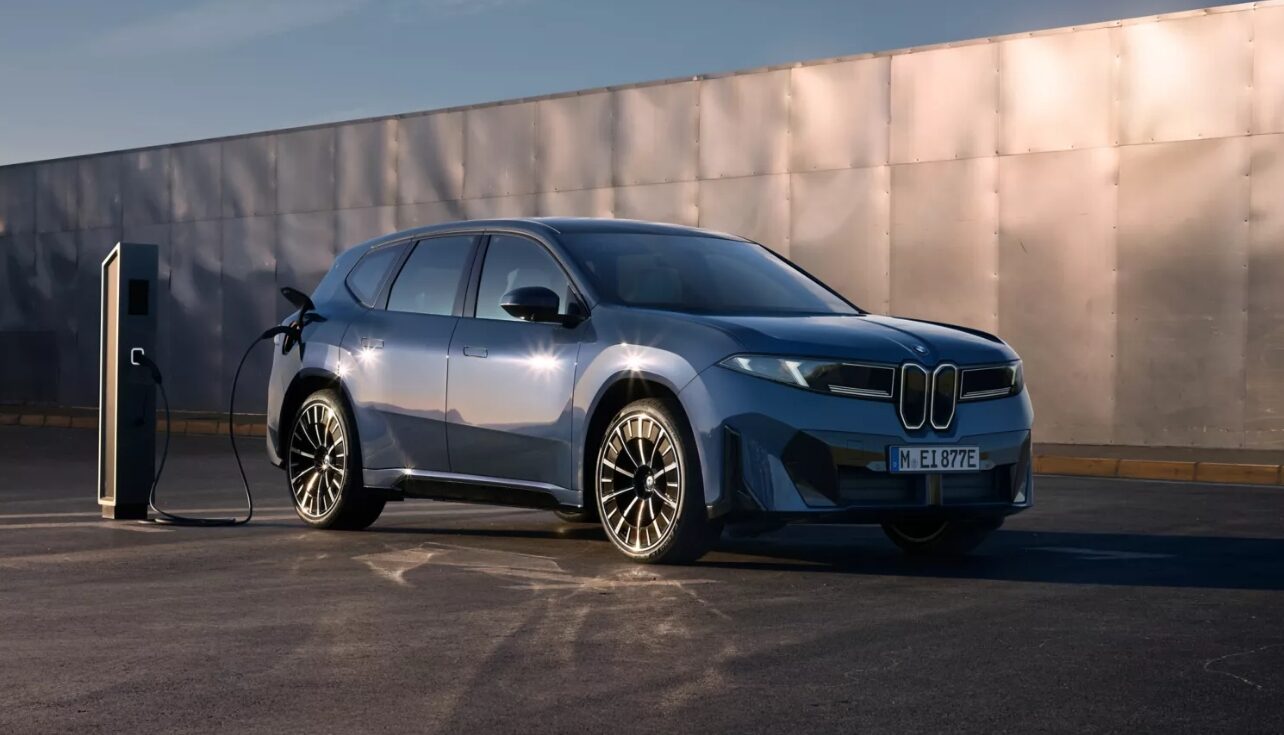
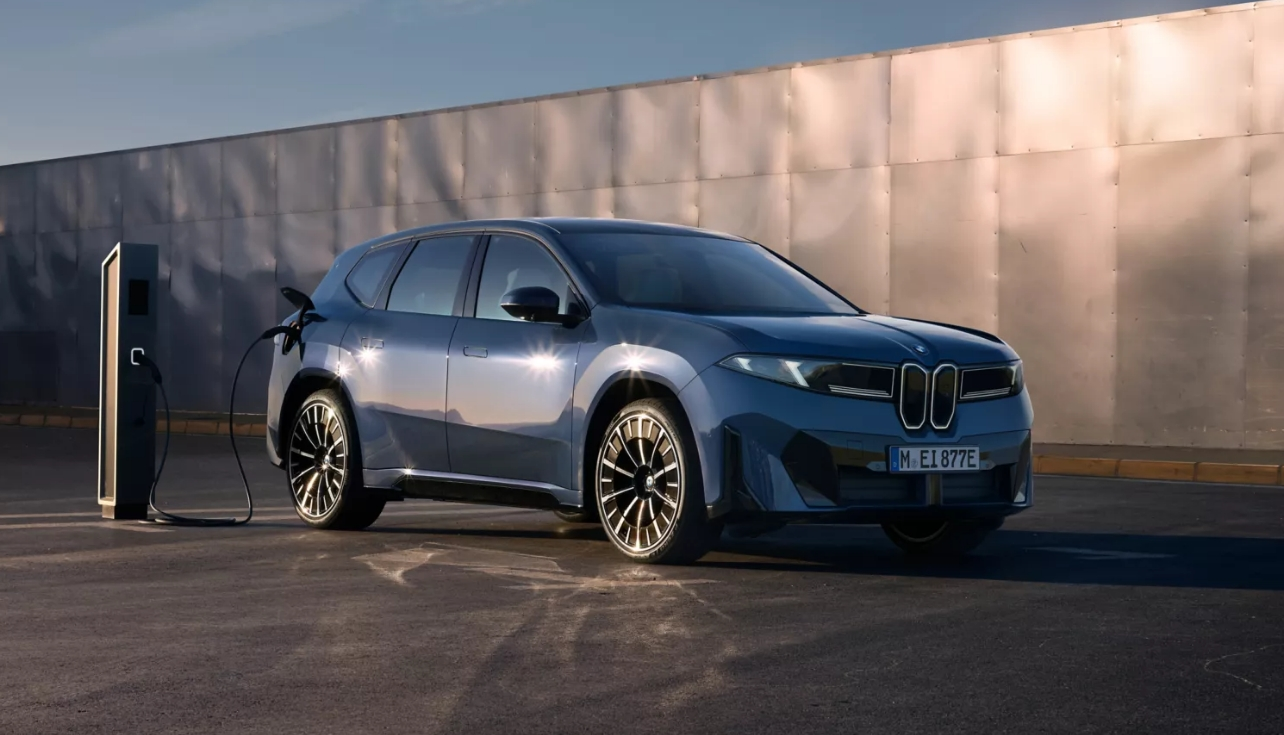
To counter these challenges, BMW has invested over €100 billion in developing its next-generation electric vehicle (Neue Klasse) series. CEO Oliver Zipse expressed confidence that the Chinese market will stabilize later this year, but the company is focusing on balancing volume, pricing, and dealer profitability.
Implications for Western Investors
The decline in BMW’s Q1 profits and the broader market dynamics highlight the critical need for Western investors to stay informed about the rapidly changing landscape of the Chinese EV market. As Chinese brands continue to innovate and expand, Western OEMs must adapt and invest in new technologies to maintain their competitive edge.
Why This Matters
- Market Trends: Understanding the impact of tariffs and market shifts is crucial for strategic decision-making.
- Competitive Benchmarking: Western OEMs must closely monitor and respond to the advancements made by Chinese competitors.
- Investment Opportunities: Staying ahead of the curve can help investors identify and capitalize on emerging trends and innovations.
For more insights into the Chinese EV market, see our analysis on Chinese EV Market Trends in 2024.