California to Issue Fines for Autonomous Vehicles Violating Traffic Laws Starting July 2026
California to Issue Fines for Autonomous Vehicles Violating Traffic Laws Starting July 2026
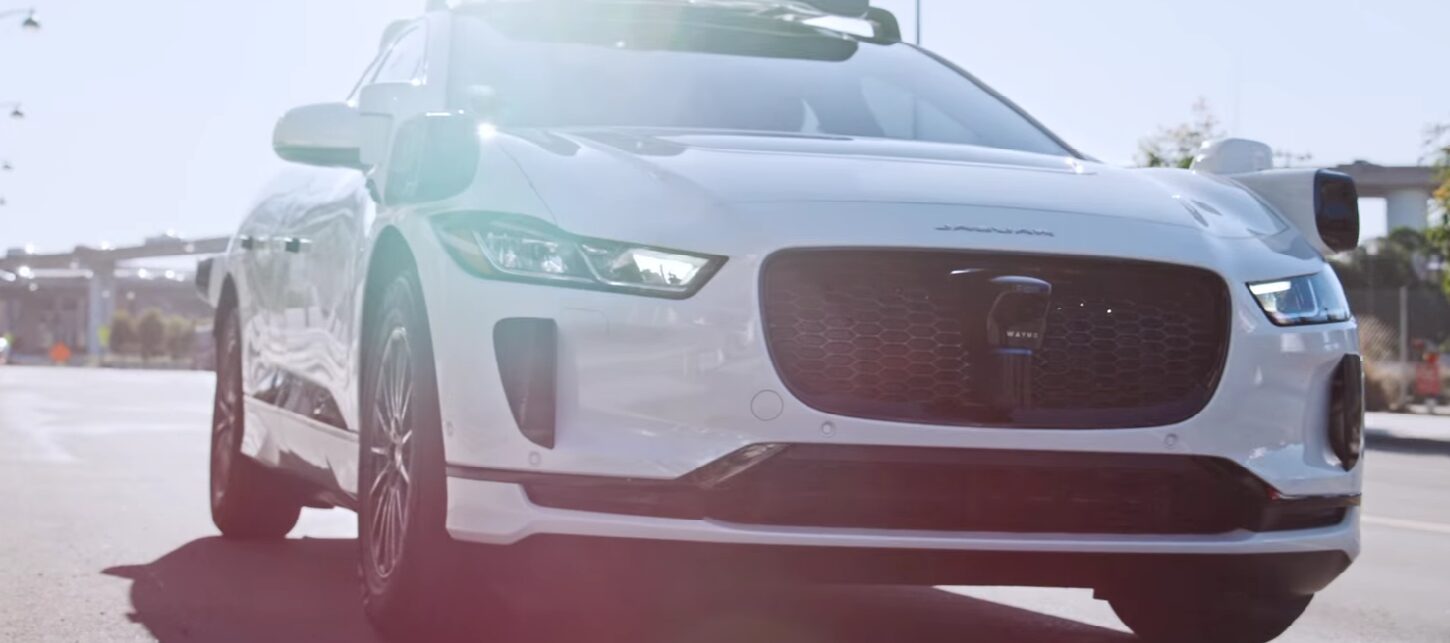
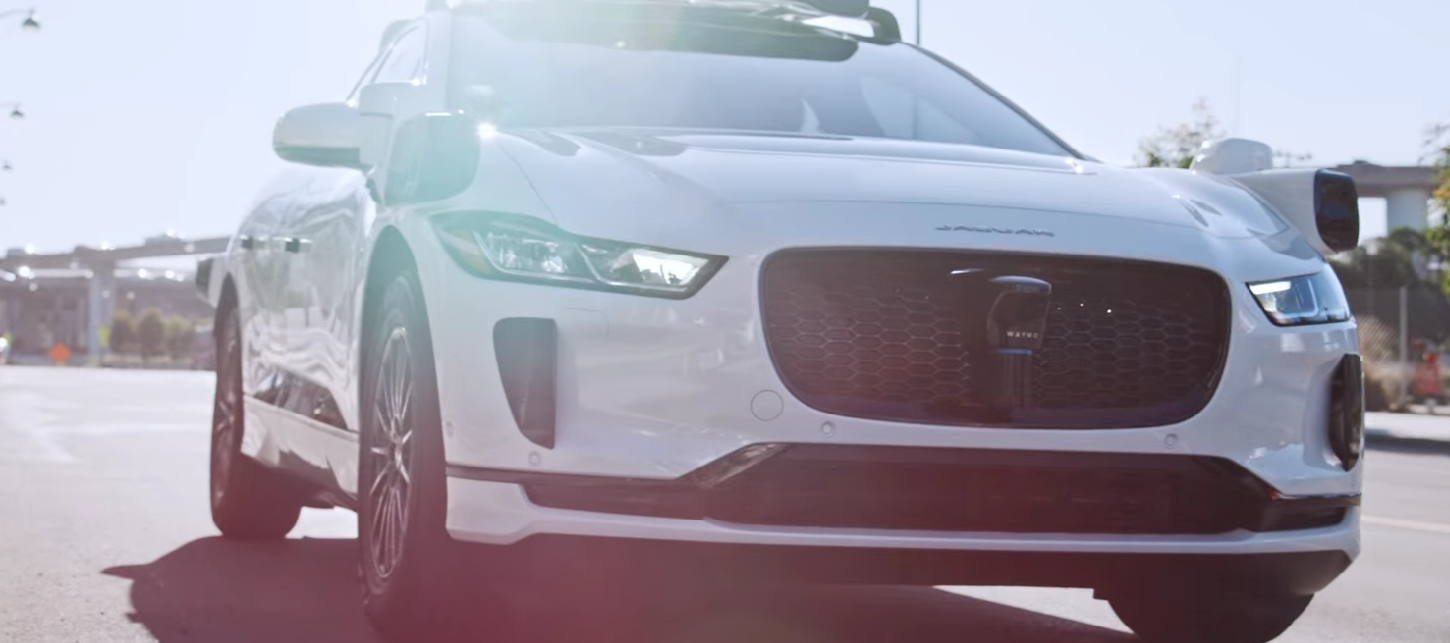
Starting July 1, 2026, California will begin issuing fines for autonomous vehicles (AVs) that violate traffic laws. This new regulation, part of Assembly Bill 1777 (AB 1777), aims to establish a clear framework for the enforcement and operation of AVs on public roads.
Key Provisions of AB 1777
- Non-Compliance Notices: Law enforcement will be authorized to issue ‘Autonomous Vehicle Non-Compliance Notices’ to operators of AVs, such as Waymo or Zoox. These notices will document the date, time, location, and vehicle license plate number of the alleged violation.
- Alternative Enforcement Mechanism: Instead of traditional methods, where police would stop and ticket AVs, the California Department of Motor Vehicles (DMV) will review the reported incidents and decide whether to impose penalties. If an AV is involved in a liability incident, law enforcement will notify the operator’s designated on-site representative, who must arrive at the scene as required.
- Emergency Response and Geofencing: Operators must establish a dedicated emergency contact line and equip their vehicles with two-way communication devices to enable real-time communication with first responders. Additionally, the bill authorizes emergency personnel to issue geofencing instructions, requiring operators to ensure their vehicles avoid crime scenes or restricted areas within two minutes of receiving an alert.
- Testing and Regulatory Requirements: Operators must complete up to 500,000 miles of testing, depending on the size and weight of the vehicle. They are also required to develop an annual interaction plan with first responders and adhere to new data reporting standards.
Impact on the Autonomous Vehicle Industry
This legislation marks a significant step in the regulation of autonomous vehicles, providing a structured approach to enforcement and emergency response. For Western investors and auto industry professionals, this development offers several key insights:
- Regulatory Clarity: The new law provides a clear and enforceable framework, reducing uncertainty and setting a precedent for other states and countries to follow.
- Enhanced Safety Measures: The requirement for emergency communication and geofencing capabilities ensures that AVs can respond effectively to emergencies and avoid sensitive areas, enhancing overall safety.
- Increased Testing and Reporting: The stringent testing and reporting requirements will help build trust in the technology and provide valuable data for future improvements.
Global Context and Implications
While California leads the way, other regions are also taking steps to regulate autonomous vehicles. For example, the European Union has proposed similar regulations, and China is rapidly advancing its own AV testing and deployment. Understanding these regulatory developments is crucial for global investors and industry players to stay ahead of the curve.
For more detailed analysis on the impact of regulatory changes on the autonomous vehicle market, see our analysis on regulatory changes and their impact on the autonomous vehicle market.