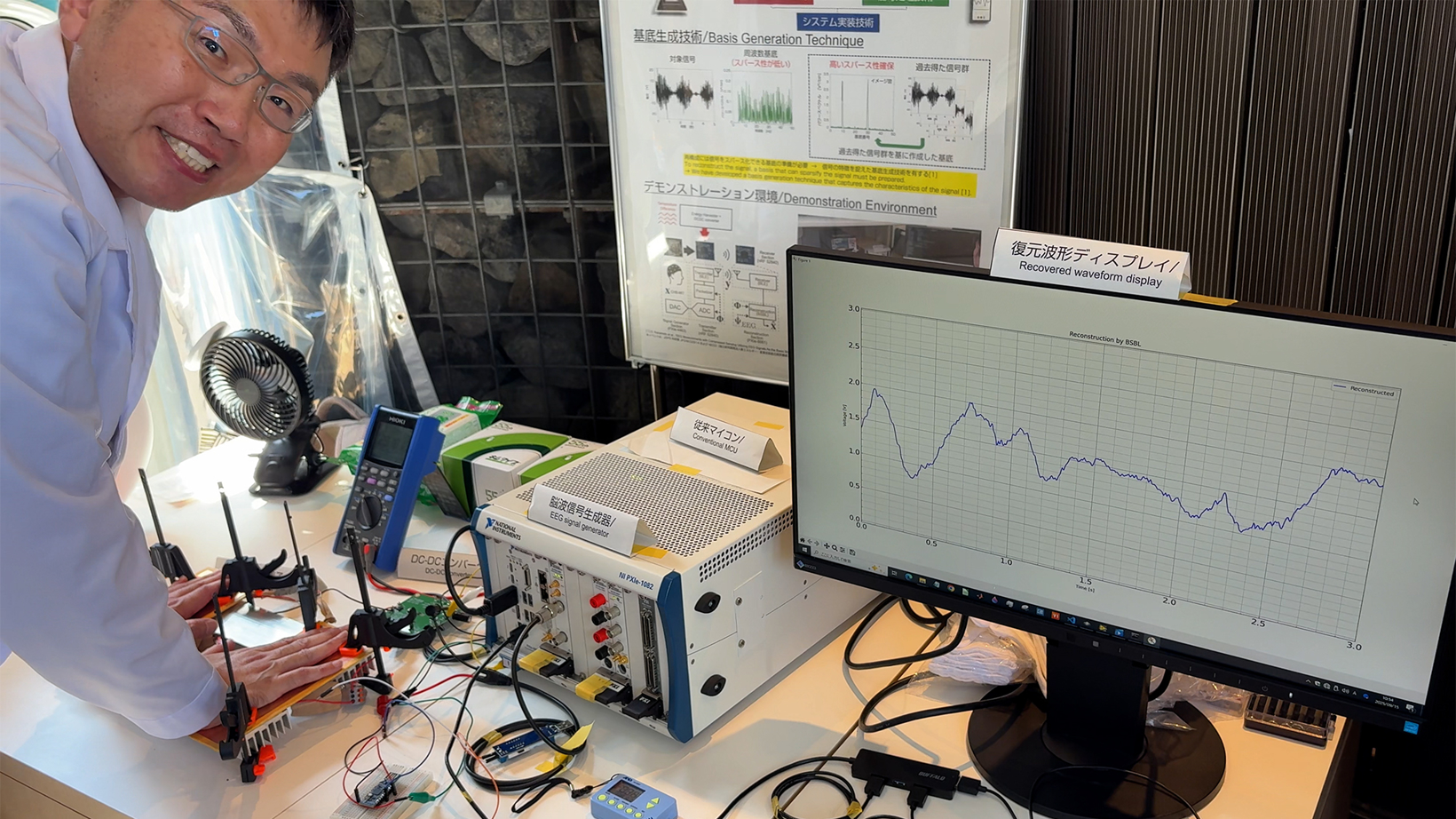
Body Heat-Powered Wireless EEG: A Game-Changer for Low-Power Autonomous Vehicle Sensors
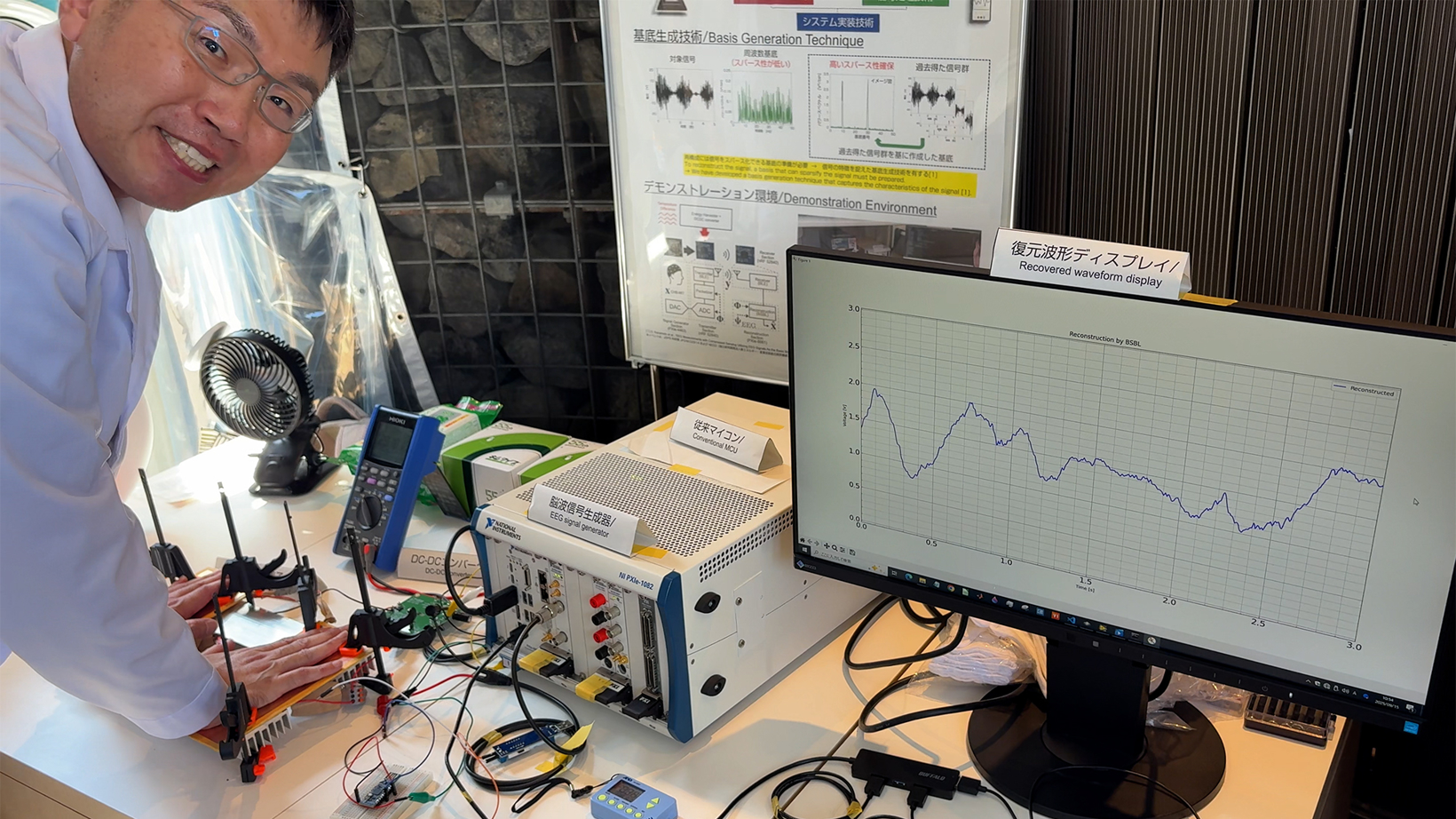
Body Heat-Powered Wireless EEG: A Game-Changer for Low-Power Autonomous Vehicle Sensors
Is the future of low-power sensors in autonomous vehicles about to be revolutionized by body heat? Researchers at Osaka University have developed a groundbreaking wireless EEG transmission system that operates solely on the temperature difference between the human body and the ambient air. This innovation could significantly impact the development of low-power, maintenance-free sensors in the automotive industry.
Key Innovations and Implications
The team at Osaka University has created a wireless EEG transmission system that harnesses the minimal energy available from the temperature difference between the human body and the surrounding environment. This system, which was presented in a paper at the 2026 IEEE International Conference on Consumer Electronics (ICCE), is a significant step towards developing practical, maintenance-free sensing technologies.
How It Works
- Data Reduction: The system uses random under-sampling of EEG signals to reduce the amount of data that needs to be collected and transmitted.
- Reconstruction Algorithm: At the receiving end, an algorithm processes the reduced data to accurately reconstruct the original EEG signal.
- Energy Source: The system operates using the temperature difference between the human body and the ambient air, eliminating the need for any external power source.
Real-World Testing and Future Applications
The technology was successfully demonstrated during the 2025 Osaka World Expo, where it functioned effectively in temperatures exceeding 32 degrees Celsius. This real-world testing confirms its potential for use in various environments, including those with limited energy sources.
Potential Impact on Autonomous Vehicles
This breakthrough in low-power sensor technology has several implications for the automotive industry, particularly in the development of autonomous vehicles. By leveraging body heat, these sensors can operate without the need for frequent battery replacements or external power sources, making them ideal for long-term monitoring and reducing maintenance costs.
Broader Applications
Beyond autonomous vehicles, this technology could also be applied to health monitoring, infrastructure, and environmental monitoring. As the demand for continuous data collection grows, such low-power, self-sustaining sensors could become a cornerstone of smart city initiatives.
Expert Analysis
The development of this body heat-powered wireless EEG system represents a significant advancement in low-power sensor technology. It not only addresses the challenge of finding suitable power sources for small, complex wireless systems but also opens up new possibilities for practical, maintenance-free sensing solutions. For Western investors and auto industry professionals, this innovation could be a key factor in the strategic pivot towards more sustainable and efficient sensor technologies.
For more insights into the latest advancements in ADAS and autonomous vehicle technology, see our analysis on ADAS Innovation Trends.