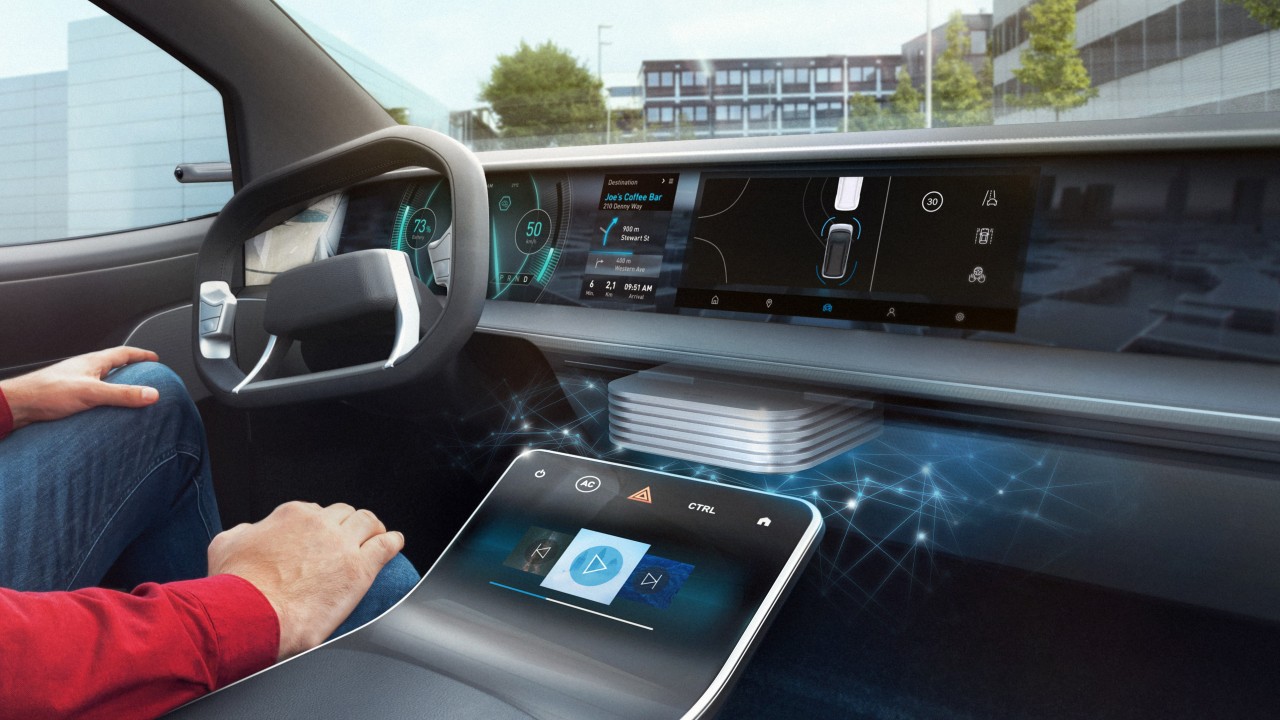
Bosch Qualcomm ADAS Partnership: The Chip War Escalates Beyond Cockpits
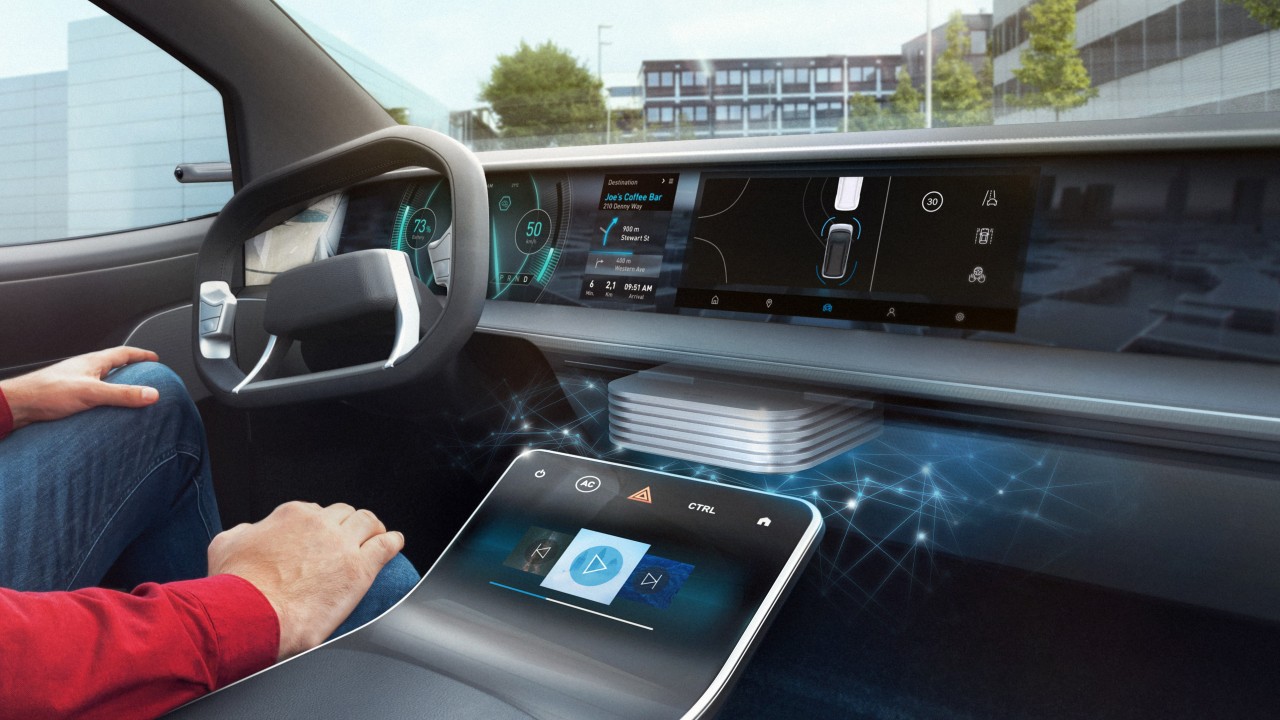
Bosch Qualcomm ADAS Partnership: A New Challenger in the Semiconductor Wars
What if the autonomous driving future is not powered by Nvidia? While the Santa Clara giant has dominated headlines with its Orin and Thor platforms, a seismic shift is occurring between Stuttgart and San Diego. The Bosch Qualcomm ADAS partnership has just evolved from infotainment convenience into the high-stakes arena of advanced driver assistance systems, potentially rewriting the rules of the $600 billion automotive semiconductor market.
On April 10, 2024, Bosch and Qualcomm Technologies announced a strategic expansion that moves beyond their successful cockpit collaboration—where they have already delivered over 10 million onboard computers—into the production of scalable ADAS solutions. This is not merely a supplier agreement; it is a direct assault on the high-margin autonomous driving chip market currently dominated by Nvidia and Mobileye.
From Dashboard to Driver Assist: Why This Expansion Matters
For Western investors tracking automotive tech disruption, this alliance signals a critical diversification away from single-supplier dependency. Bosch, the world’s largest automotive supplier by revenue, brings its systems integration expertise and Safety Island architecture, while Qualcomm contributes its Snapdragon Ride Flex SoC—a chip designed to handle both infotainment and autonomous driving workloads simultaneously.
The automotive chip shortage of recent years exposed the fragility of concentrated supply chains. By expanding the Bosch Qualcomm ADAS partnership, both companies position themselves as the integrated alternative to Nvidia’s premium-priced ecosystem, targeting cost-optimized solutions for mass-market deployment.
10 Million Units: The Foundation of Trust
The foundation of this expansion rests on concrete success. Bosch has already shipped more than 10 million digital cockpit units using Qualcomm’s Snapdragon Cockpit Platforms. This proven track record in high-volume manufacturing gives the partnership credibility as it enters the safety-critical ADAS domain, where automotive-grade reliability determines market survival.
Christoph Hartung, Bosch’s CTO for Cross-Domain Computing Solutions, emphasized that this collaboration provides ‘powerful, high-performance computing platforms that form the cornerstone of today’s software-defined vehicles.’ This expertise matters because ADAS requires ASIL-D safety certification—the highest automotive integrity level—where Bosch has decades of experience.
Technical Deep Dive: The Snapdragon Ride Flex Architecture
At the heart of this collaboration lies the Snapdragon Ride Flex SoC, a heterogeneous computing platform enabling mixed-criticality applications. Translation: Your next vehicle could run both your navigation interface and your emergency braking system on the same processor—a holy grail for software-defined vehicles.
- Cost Optimization: Unlike Nvidia’s premium Orin platforms, the Bosch-Qualcomm solution targets mass-market scalability with optimized onboard computer architectures that reduce bill-of-materials costs.
- Centralized Computing: The architecture supports emerging zonal vehicle designs, reducing wiring complexity and weight—a crucial advantage for electric vehicle range optimization.
- Safety Integration: Bosch’s ADAS Integration Platform meets stringent safety standards while offering the high bandwidth and memory management necessary for real-time sensor fusion.
The Software-Defined Vehicle Connection
This partnership directly enables the transition to software-defined vehicles by consolidating functions onto single System-on-Chip (SoC) solutions. Nakul Duggal, Qualcomm’s automotive chief, noted that the collaboration spans ‘from high-performance cockpit systems to scalable autonomous driving solutions,’ all powered by the Snapdragon Digital Chassis.
For automakers, this integration promises reduced development complexity and faster over-the-air update capabilities—critical competitive advantages as the industry shifts toward subscription-based feature monetization.
Market Implications: Disrupting the Semiconductor Hierarchy
Currently, Nvidia commands approximately 80% of the high-end ADAS processor market, powering Mercedes-Benz’s Drive Pilot and Volvo’s next-generation platforms. However, the Bosch Qualcomm ADAS partnership introduces a viable Tier 1 alternative that could reshape purchasing decisions at legacy Western OEMs struggling with Nvidia’s pricing power.
The Chinese EV Variable
While Bosch and Qualcomm are Western firms, this partnership carries profound implications for the Chinese EV market—the world’s largest electric vehicle arena. Chinese manufacturers like BYD and NIO have historically relied on Nvidia for premium ADAS, but escalating geopolitical tensions and supply chain vulnerabilities are driving demand for alternative semiconductor ecosystems.
Qualcomm’s entrenched relationships with Chinese smartphone manufacturers provide distribution channels that Nvidia lacks, potentially giving this alliance asymmetric advantages. [See our analysis on China’s push for automotive semiconductor independence]
Furthermore, Bosch’s manufacturing footprint in China means this partnership can offer localized production advantages that satisfy Beijing’s increasingly strict data security and supply chain regulations—a crucial factor as Chinese EV exports face scrutiny in Western markets.
Investment Analysis: What Analysts Are Missing
For portfolio managers evaluating automotive tech exposure, this partnership resolves Qualcomm’s historical weakness in automotive compute—moving beyond infotainment into the higher-margin ADAS space. Meanwhile, Bosch secures silicon supply independence amid ongoing semiconductor volatility.
The collaboration specifically targets ‘practical and scalable ADAS deployment’—code for Level 2 and Level 3 automation systems that generate revenue today, rather than the Level 4 robotaxi promises that continue burning cash. This revenue-focused approach contrasts with Mobileye’s recent market share erosion as automakers bring software development in-house.
Competitive Positioning Against Nvidia
While Nvidia offers superior raw compute for AI training and L4 autonomy, the Bosch-Qualcomm solution emphasizes cost-effective, automotive-grade integration for L2/L3 systems—the volume segment where most current profits reside. This positioning mirrors successful disruption strategies in other tech verticals: not competing on absolute performance, but on adequate performance at scale.
Frequently Asked Questions
How does this Bosch Qualcomm ADAS partnership compare to Nvidia Drive?
While Nvidia offers superior raw compute for AI training and full autonomy, the Bosch-Qualcomm solution emphasizes cost-effective, automotive-grade integration for Level 2 and 3 systems—the high-volume segment where most automakers currently generate returns.
Will this affect existing Qualcomm cockpit deployments?
No. The expansion builds upon the existing Snapdragon Cockpit Platform success while adding ADAS capabilities through the Ride Flex SoC, offering automakers consolidation opportunities without redesigning infotainment architectures.
Why is this partnership important for Western investors?
It provides a hedge against Nvidia’s growing pricing power in automotive silicon while capitalizing on Qualcomm’s 5G and connectivity expertise. For Bosch, it ensures relevance in the software-defined transition that threatens traditional Tier 1 suppliers.
Conclusion: The Democratization of Autonomous Tech
The expansion of the Bosch Qualcomm ADAS partnership represents more than corporate cooperation; it signals the democratization of advanced driver assistance systems. By combining Qualcomm’s silicon prowess with Bosch’s automotive integration expertise, this alliance offers Western and Chinese OEMs alike a credible alternative to Nvidia’s premium ecosystem—potentially accelerating the adoption of software-defined vehicles across price segments.
For investors and industry observers, the message is clear: the automotive chip wars are entering a new phase, and the victor may not be the company with the most powerful AI, but the one that can deliver safety-critical compute at automotive scale. As Bloomberg reported, this expanded alliance specifically targets production vehicles rather than concept cars—a distinction that matters enormously for near-term revenue.