Solid State Battery Commercial Deployment: How Tailan Is Powering the Robotics Revolution
Solid State Battery Commercial Deployment: The ‘Safe+’ Breakthrough Reshaping Robotics
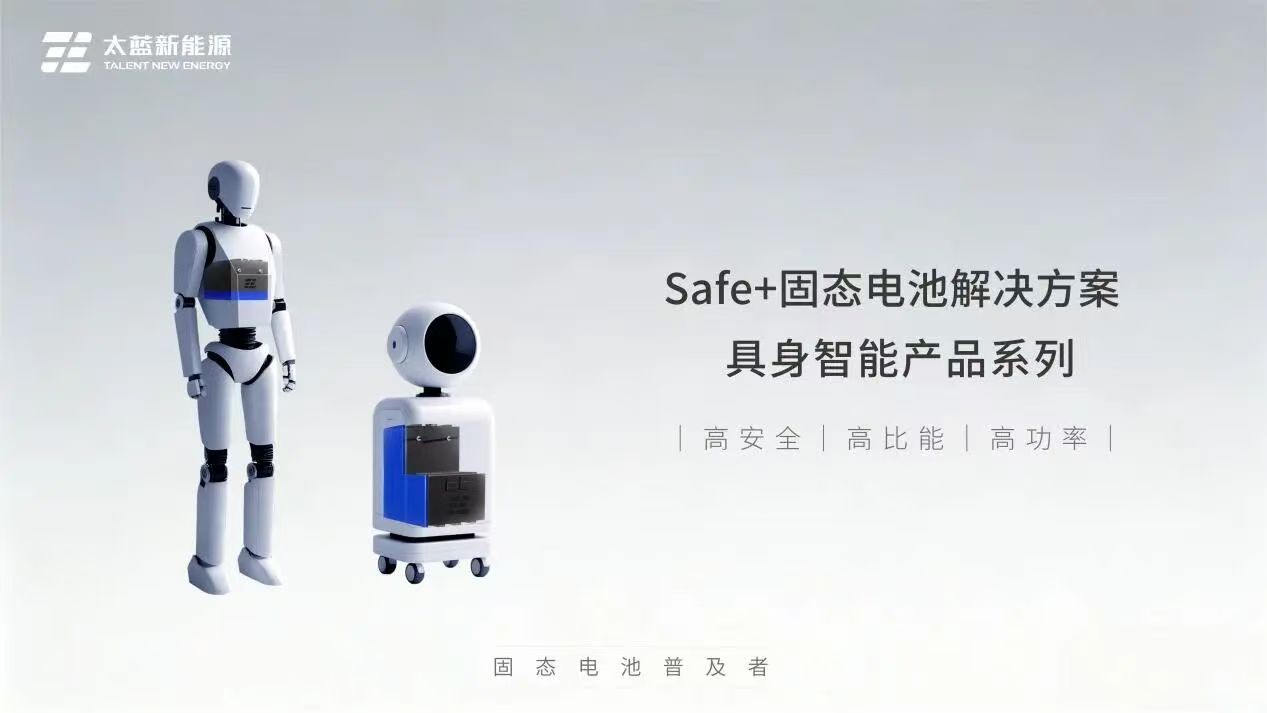
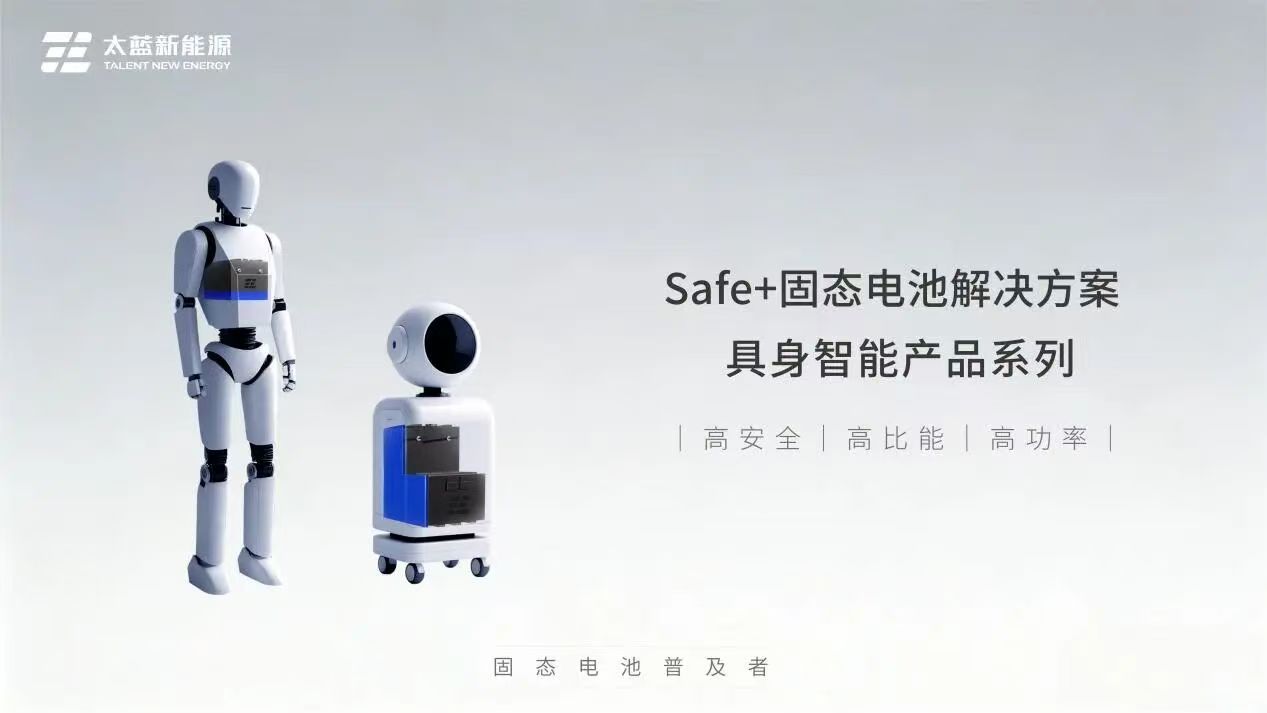
What if the bottleneck holding back the $400 billion robotics revolution was not AI software, but the liquid lithium batteries powering the hardware? On April 14, 2024, Chongqing-based Tailan New Energy (太蓝新能源) quietly achieved a milestone that eludes even Toyota and QuantumScape: the first solid state battery commercial deployment specifically engineered for embodied AI robotics. This is not a laboratory prototype. These ‘Safe+’ battery packs are already delivered to China’s top robotics firms and operating in multi-scenario field tests.
For Western investors watching the EV transition, this development signals a critical inflection point. While U.S. and European manufacturers remain fixated on automotive applications, Chinese battery makers are leapfrogging into the next industrial frontier—powering the humanoid robots and autonomous systems that will redefine manufacturing.
Why Embodied AI Demands a New Power Paradigm
Traditional liquid lithium-ion batteries were designed for smartphones and passenger vehicles—not for the violent kinematic demands of humanoid robots. When a Tesla Optimus or Boston Dynamics Atlas executes high-dynamic movements, the battery experiences extreme mechanical stress, rapid discharge spikes, and thermal volatility.
According to recent industry analysis, conventional battery systems in robotics face three critical failure points:
- Safety Risks: Liquid electrolytes create fire hazards during high-impact collisions or punctures
- Energy Density Limits: Current lithium-ion cells cannot provide sufficient range for extended autonomous operations
- Temperature Constraints: Standard batteries fail in industrial cold storage (-40°C) or high-heat manufacturing environments
Tailan’s semi-solid state (solid-liquid hybrid) technology addresses these limitations through intrinsic material safety and wider operating windows.
Technical Deep Dive: The Safe+ Advantage
Extreme Environment Resilience
The solid state battery commercial deployment by Tailan features a remarkable -40°C to 80°C operational range. At -40°C, the cells maintain 1C continuous discharge capability—critical for logistics robots operating in Nordic winter conditions or unheated warehouses.
System-Level Safety Architecture
Unlike the standardized cell-to-pack approach in EVs, Tailan employs a collaborative design methodology. By integrating cell characteristics with drive system requirements from the initial design phase, the company has passed rigorous abuse testing including full-mapping short circuits and overcharge scenarios without thermal runaway.
Strategic Implications for Western Markets
This development arrives as Toyota recently delayed its solid-state battery mass production timeline to 2027, and QuantumScape remains focused on automotive EV applications. Tailan’s pivot to robotics represents a strategic differentiation that could capture the high-margin industrial automation sector before automotive scale-up.
The company’s open ecosystem approach—covering everything from fixed-base industrial arms to quadruped ‘robot dogs’ and general-purpose humanoids—suggests a platform strategy reminiscent of CATL’s dominance in automotive cells, but applied to the embodied AI sector.
See our analysis on how CATL’s manufacturing scale threatens Western battery independence for context on China’s vertical integration strategy.
Market Projections and Investment Thesis
Industry forecasts indicate the global robotics market will exceed $400 billion by 2029, with power systems representing 15-20% of total hardware costs. If solid-state batteries become the standard for high-performance robotics, early movers like Tailan could establish supply chain lock-in similar to BYD and CATL’s position in EVs.
However, risks remain. Semi-solid state technology, while safer than liquid cells, does not achieve the full energy density potential of all-solid-state batteries promised by Toyota. Additionally, Western tariff barriers and the recent Chinese export controls on critical minerals could complicate international scaling.
Conclusion: The Battery Wars Expand Beyond Cars
The solid state battery commercial deployment in robotics marks a decisive shift in the global energy storage landscape. For Western automakers and investors, the message is clear: the next battery technology battleground is not just electrifying transport, but powering the autonomous workforce of tomorrow. Those monitoring only passenger EV battery news risk missing the industrial transformation already underway.