Changan Robovan Autonomous Logistics Debut: Is China’s L4 Race Leaving Western Rivals Behind?
Changan Robovan Autonomous Logistics Debut: Is China’s L4 Race Leaving Western Rivals Behind?
Imagine a logistics network where the last mile costs 40% less than today, operated by vehicles designed to survive a million kilometers without human intervention. While Western autonomous delivery startups struggle with unit economics and regulatory patchwork, Changan Kaicheng just unveiled the Robovan at the Beijing Auto Show—a production-ready, Level 4 autonomous logistics vehicle backed by one of China’s oldest state-owned automotive giants. Is this the moment China’s autonomous logistics sector shifts from experimental pilot to scalable commercial reality?
The State-Backed Challenge to Western Autonomy Dreams
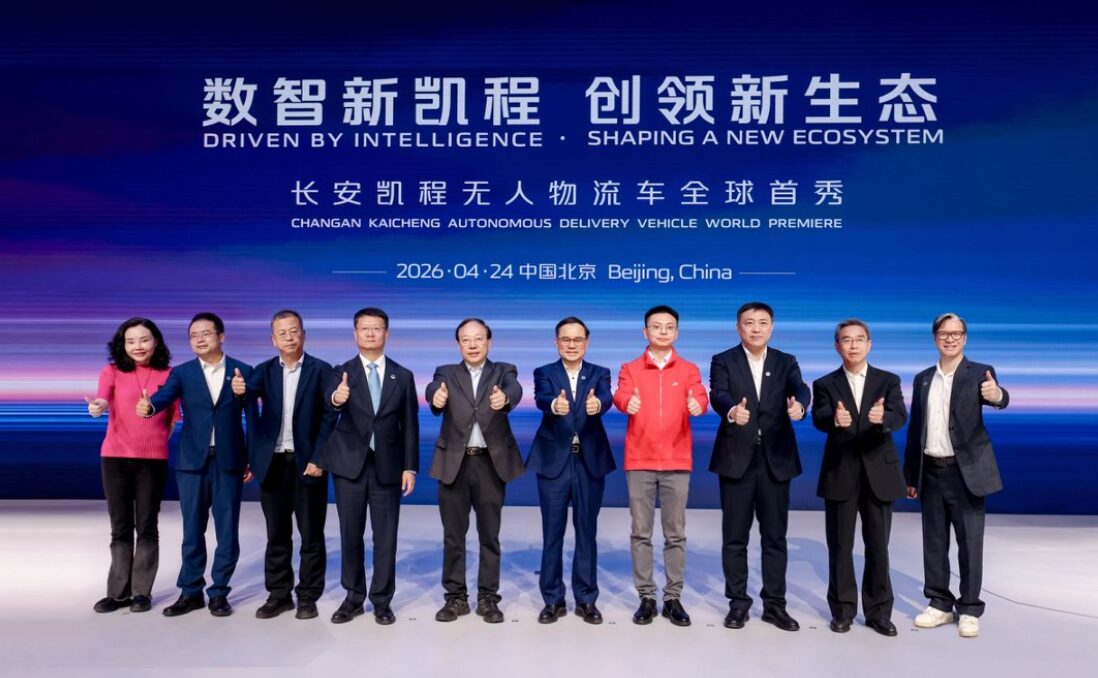
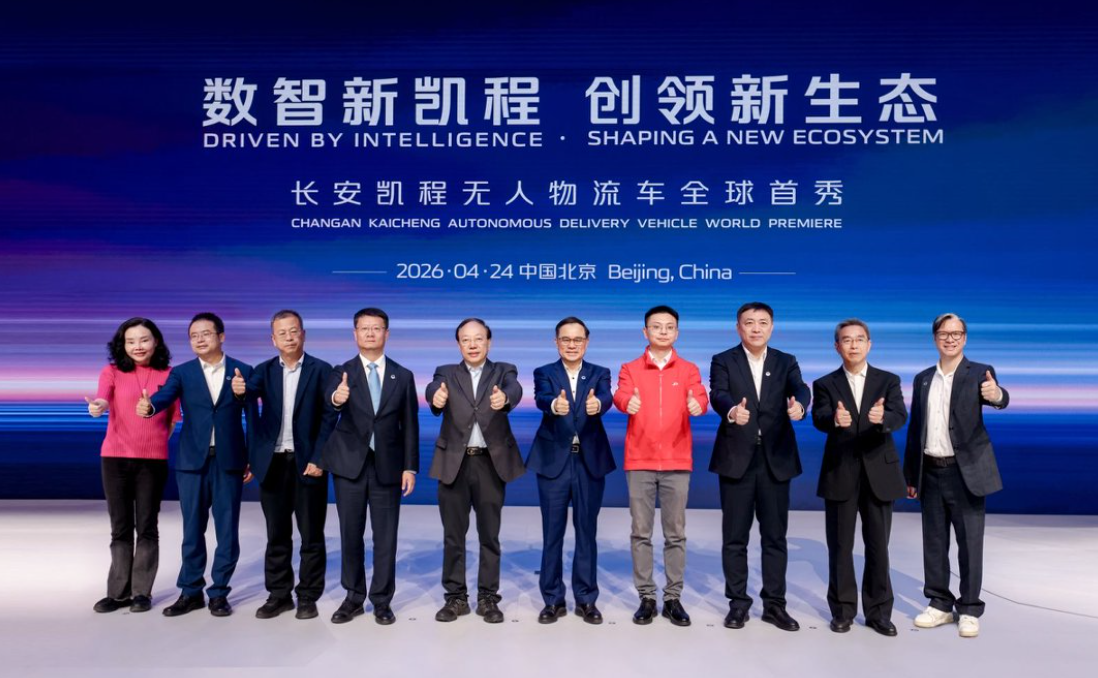
On April 24, Changan Kaicheng—a strategic subsidiary of Changan Automobile with 45 years of commercial vehicle manufacturing—unveiled the Robovan, marking the first entry of a central state-owned enterprise (SOE) into China’s unmanned logistics fray. Unlike Silicon Valley’s autonomy startups that burn cash seeking profitability, Changan’s move carries the implicit guarantee of state-level infrastructure support and alignment with China’s Fifteenth Five-Year Plan target to reduce logistics costs to 12.5% of GDP by 2030—down from current levels exceeding 14%.
For Western investors tracking the global autonomous vehicle market, this represents a fundamental shift. Where Nuro and Amazon Scout (now discontinued) focused on small-scale pilots, Changan promises a standardized validation system tested in national laboratories for extreme weather durability—a critical gap in current Western deployment strategies.
Technical Deep Dive: Seven Industry Firsts Defining the Standard
Changan isn’t merely retrofitting existing vans. The Robovan introduces seven industry-first technologies specifically engineered for logistics autonomy:
Safety and Control Systems
- CATL’s Automotive-Grade Battery Safety: The first application of CATL’s passenger vehicle battery safety standards to commercial logistics, featuring millisecond fault response—addressing the thermal runaway fears that have plagued delivery robot deployments.
- Dual-Redundant Braking (IBCU+RBM): A dual-redundant wire-control braking system that switches to backup within 150 milliseconds of single-point failure—50% faster than conventional architectures. This directly addresses the safety redundancy concerns that have stalled Western L4 regulatory approvals.
- SDA Intelligent Architecture: Changan’s proprietary TianShu architecture processes commands 10x faster than distributed systems, with 10ms fail-over times—crucial for heavy-loaded urban navigation where latency equals liability.
Structural and Mechanical Innovations
- Passenger-Car Suspension Standards: Global first use of premium double wishbone front suspension on a logistics vehicle, reducing cornering roll by 60%—protecting fragile cargo while maintaining high-speed stability.
- Bio-Based Lightweighting: Domestic first mass-production of bio-based nylon composite panels achieving 50% weight reduction with 2-3x metal tensile strength—solving the range-payload paradox that hamstrings battery-electric delivery vehicles.
Validation and Powertrain Hardening
- Million-Kilometer Validation: The industry’s first standardized unmanned logistics validation system tested in national laboratories for extreme conditions, promising 1,000,000km operational lifespan—effectively declaring war on the ‘disposable robot’ economics of current Western pilots.
- Extreme Climate Powertrain: A 60kW liquid-cooled motor controller maintaining full power between -20°C and 45°C—ensuring year-round operation in harsh continental climates where other systems derate.
The ‘Last Mile’ Cost Crisis: Why 2030 Matters
Wang Xiaofei, Chairman of Changan Kaicheng, identified the core economic driver: China’s logistics industry faces a ‘high-cost, low-efficiency’ bottleneck where last-mile expenses disproportionately burden the entire supply chain. With the central government mandating logistics cost reduction to 12.5% of GDP by 2030—compared to approximately 7.6% in the United States—the pressure for autonomous adoption moves from ‘innovation’ to ‘survival’.
This state-directed urgency creates a divergent risk profile for Western competitors. While Western AV startups face funding freezes and regulatory uncertainty, Changan’s Robovan enters a market where municipal governments actively clear regulatory pathways for proven technologies.
Production Reality vs. Pilot Projects
Perhaps most alarming for Western OEMs is Changan’s declaration of ‘productization’—moving beyond test fleets to scalable manufacturing. The Robovan isn’t a concept; it’s a commercial product backed by an existing 45-year manufacturing footprint and Changan’s service network.
See our analysis on Chinese L4 autonomous vehicle regulatory frameworks to understand how Beijing’s standardization strategy compares to NHTSA’s fragmented approach.
Investment Implications: The SOE Advantage
For portfolio managers evaluating exposure to the autonomous logistics theme, Changan’s entry signals two critical trends:
- Hardware Integration Beats Software-Only: Unlike pure-play autonomy software companies, Changan controls the full stack—from CATL battery integration to proprietary braking systems—suggesting superior unit economics at scale.
- The China Standardization Threat: As Beijing develops national standards for unmanned logistics vehicles through SOE-led platforms like Robovan, Western Tier 1 suppliers risk exclusion from the world’s largest logistics market—a market processing over 350 trillion RMB in annual flow.
Conclusion: The Logistics Autonomy Race Just Got Real
Changan Kaicheng’s Robovan debut isn’t merely another auto show headline—it’s a declaration that China’s autonomous logistics sector has entered the production-ready phase with state-backed durability standards that dwarf current Western pilot programs. For investors betting on the future of last-mile delivery, ignoring this development isn’t an option; it’s an exposure risk.
The question is no longer whether autonomous logistics will scale—it’s whether Western players will be competitive when the inevitable standardization wave emanates from Beijing.
