China EV Value War: How Domestic Brands Are Abandoning Price Cuts for Premium Dominance
China EV Value War: How Domestic Brands Are Abandoning Price Cuts for Premium Dominance
What happens when the world’s largest electric vehicle market stops competing on price? With new energy vehicle penetration exceeding 50% in 2024, China has officially entered the ‘late majority’ adoption phase—and the rules of competition are fundamentally rewriting themselves.
The Strategic Pivot: From Price Wars to Value Wars
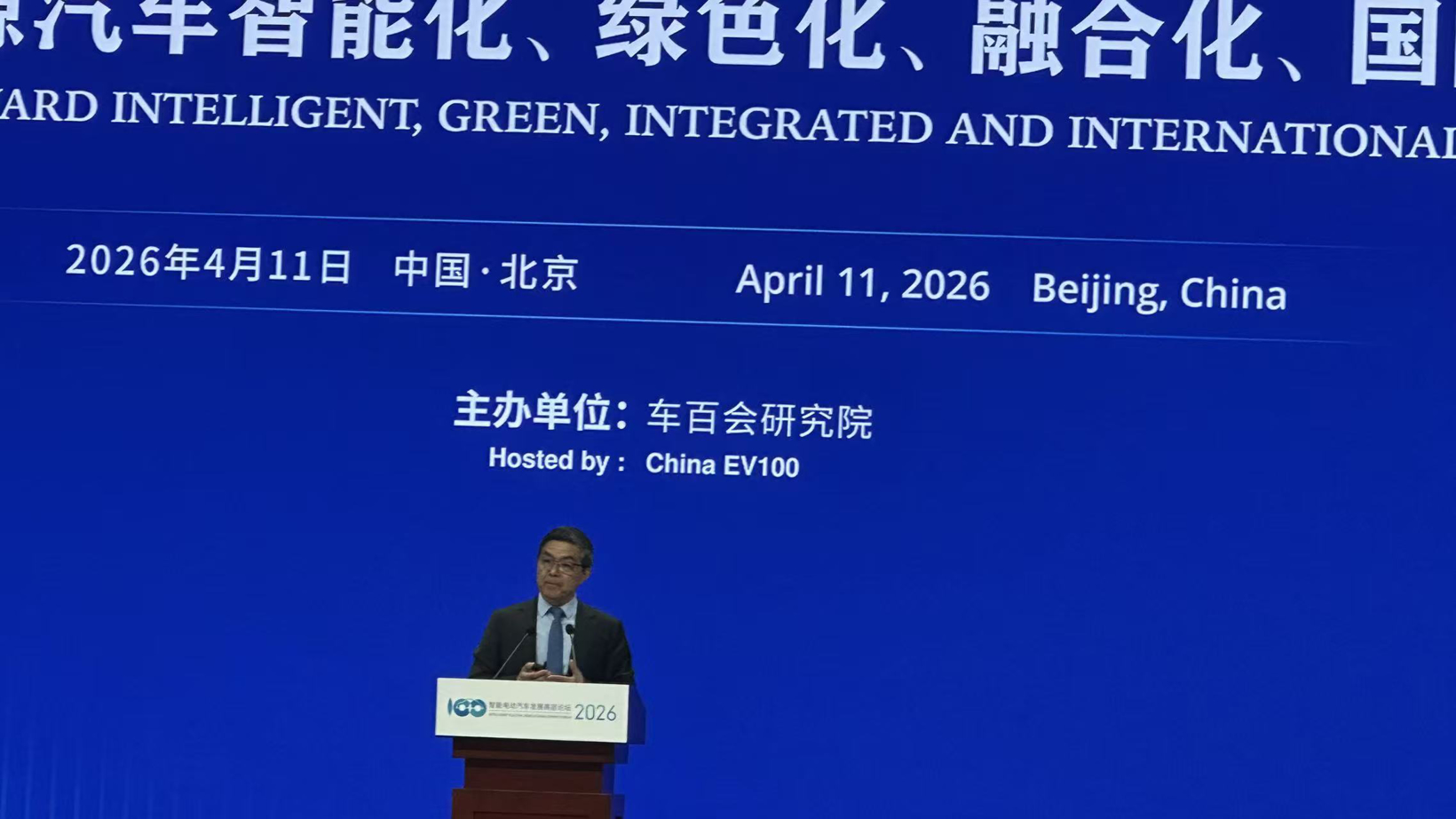
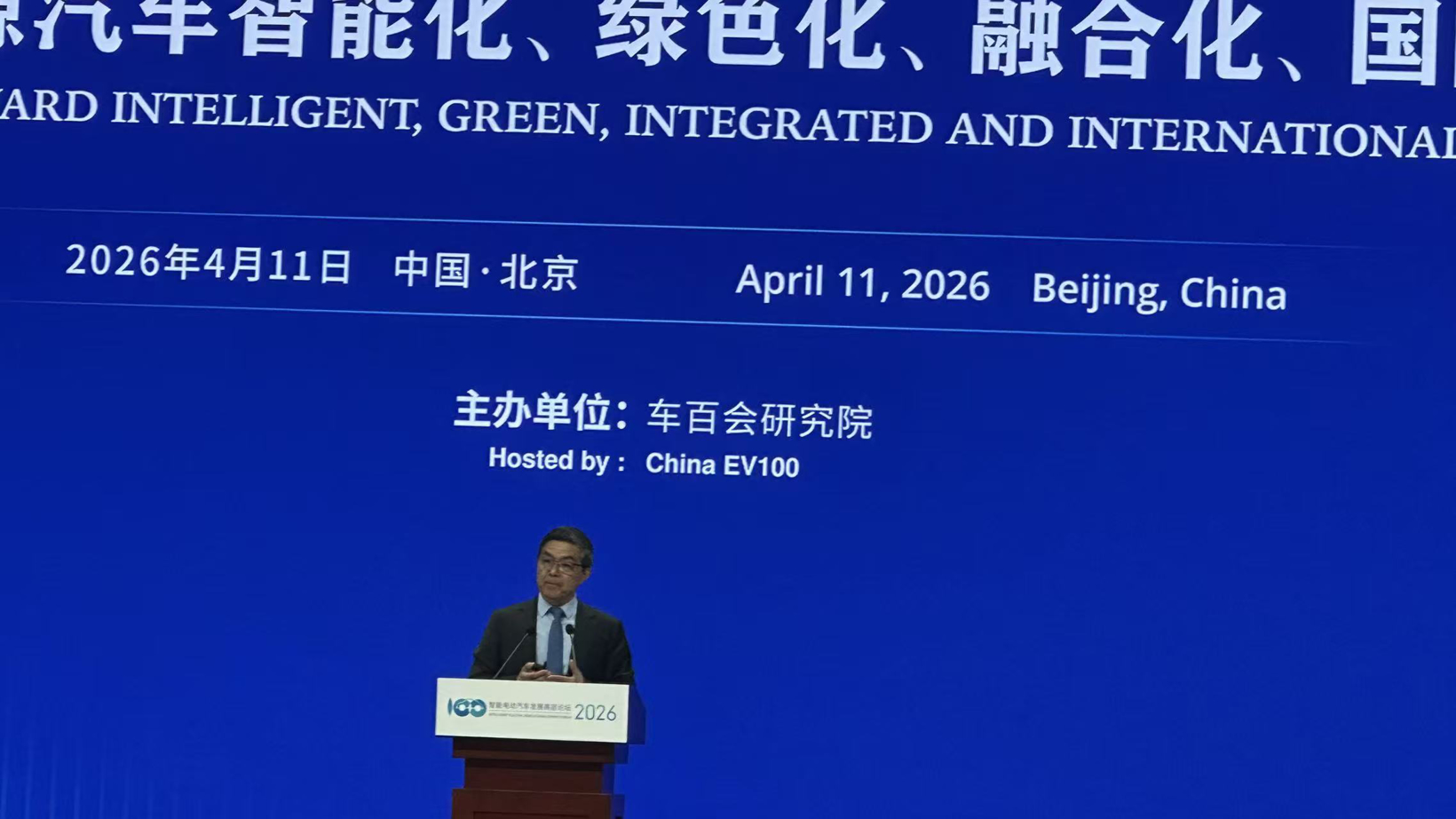
On April 11, 2024, Academician Ouyang Minggao of the Chinese Academy of Sciences delivered a watershed moment at the Intelligent Electric Vehicle Development Forum. His declaration was unequivocal: the China EV value war has begun, marking the industry’s transition from ‘involutionary price competition’ (卷价格) to ‘value competition’ (卷价值).
This shift signals the end of the brutal margin-destroying price wars that characterized 2023 and early 2024, when BYD and Tesla slashed prices by up to 30% to capture market share. According to Ouyang, the industry has reached an inflection point where pure volume growth yields to sustainable value creation—a development that carries profound implications for Western investors and legacy automakers.
Reuters reports on China’s EV sector moving beyond discounting strategies
Deconstructing the ‘Three-Value Coupling’ Framework
Ouyang’s framework centers on ‘three-value coupling’ (三值耦合)—an integrated ecosystem comprising functional value, emotional value, and asset value. Unlike Western automakers’ siloed approach to premium branding, Chinese OEMs are engineering these values to reinforce each other in ways that create defensive moats around customer lifetime value.
Functional Value: From Spec Sheets to Zero-Anxiety Experience
The baseline functional value has evolved beyond range figures and acceleration times. The new battleground is what industry insiders call ‘full-scenario zero anxiety,’ addressing the six dimensions of safety that Western regulators are only beginning to scrutinize:
- Safety Architecture: Comprehensive thermal, electrical, collision, information, and escape security systems designed specifically for EV architectures
- Climate Resilience: Battery preconditioning and heat pump systems ensuring consistent performance across diverse geographies—technology increasingly vital as Chinese EVs penetrate Northern European markets
- Intelligent Integration: Seamless OTA updates, V2X (Vehicle-to-Everything) capabilities, and whole-vehicle dynamic control treating the car as a software-defined device rather than static hardware
Emotional Value: Engineering Lifestyle Identity
Chinese brands have mastered the transition from transportation utility to lifestyle branding—a shift Western luxury marques pioneered but Chinese EVs are executing with greater digital sophistication:
- Community Capital: Brands like NIO and Xiaomi cultivate high-stickiness ‘fan economies’ through exclusive owner clubs, track days, and outdoor expeditions that transform customers into brand evangelists
- Hyper-Personalization: Factory-level customization allowing users to configure interior ambient lighting, exterior wraps, and UI themes without voiding warranties—satisfying the need for individual expression within family design languages
- AI Companionship: Anthropomorphized voice assistants with emotional recognition capabilities that reduce the ‘coldness’ of machine interaction, creating perceived companionship during commutes
See our analysis on how NIO’s BaaS model creates circular economic advantages
Asset Value: Solving the Depreciation Paradox
Perhaps the most innovative—and threatening to Western business models—is the systematic attack on EV depreciation, historically the industry’s Achilles’ heel:
- Certified Pre-Owned Ecosystems: Strict official refurbishment and resale programs that stabilize secondary markets, directly supporting new vehicle pricing power and residual values
- Battery Assetization: V2G (Vehicle-to-Grid) integration allowing owners to monetize idle battery capacity as distributed grid storage, effectively converting depreciation into revenue generation
- Lifetime Transferable Warranties: Decoupling warranty benefits from original ownership to eliminate the ‘technology obsolescence fear’ that suppresses resale values, creating trust in long-term asset stability
The Coupling Effect: Why 1+1+1 = Market Dominance
The genius of Ouyang’s framework lies in the feedback loops between value types. Functional capabilities enable emotional experiences—extreme camping modes with vehicle-to-load (V2L) power create ‘outdoor lifestyle’ communities. These communities, in turn, defend asset values by creating fan-based resale markets. Finally, guaranteed asset values encourage aggressive use of advanced functions, completing the circle.
Bloomberg analysis confirms that domestic Chinese brands now command over 60% of the premium EV segment above $40,000—a threshold unthinkable five years ago. This is not discounting; it is value capture.
Why This Threatens Detroit and Stuttgart
The three-value coupling represents more than marketing evolution—it is a structural competitive advantage. While Western OEMs struggle to monetize software subscriptions and maintain independent dealer networks, Chinese brands are creating closed-loop ecosystems where functional superiority drives emotional attachment, which in turn protects asset values.
For Western investors, this signals the end of the ‘China discount’ narrative. These are no longer copycat products competing on labor arbitrage; they are platform-based competitors with superior user data loops and vertical integration in batteries and semiconductors. The China EV value war is being fought on dimensions where legacy automakers remain structurally disadvantaged: software iteration speed, direct-to-consumer relationships, and energy ecosystem integration.
Investment Implications: Beyond the Hardware Cycle
The shift from price to value creates distinct opportunity sets for Western capital:
- Margin Recovery Plays: As price wars abate, tier-one suppliers with exposure to premium EV architectures (particularly in intelligent cockpit and thermal management) stand to benefit from restored pricing power
- Battery Second-Life Infrastructure: The asset value proposition requires sophisticated battery management systems and grid integration technology—areas where CATL and BYD are establishing patent leadership that Western firms must license
- Software-Defined Vehicle Enablers: Companies facilitating the OTA and V2X ecosystems necessary for functional value delivery, including semiconductor firms specializing in vehicle-edge computing
However, the window for Western OEMs to establish competitive positions is narrowing. As Ouyang noted, the late majority phase favors incumbents with established service ecosystems—a moat Chinese brands are rapidly fortifying through charging infrastructure and urban grid integration partnerships.
Recommended Reading
To understand the geopolitical and technological foundations of this shift, we recommend The Powerhouse: America, China, and the Great Battery War by Steve Levine. This seminal work chronicles the early stages of China’s battery dominance and provides essential context for understanding why the value war is erupting now, not later, as the industry transitions from early adopters to the late majority.
Conclusion: The New Rules of Engagement
China’s EV value war signals market maturation that paradoxically increases competitive intensity. For Western audiences, the takeaway is clear: the era of dismissing Chinese EVs as ‘cheap alternatives’ is definitively over. The three-value coupling framework represents a sophisticated understanding of automotive economics that prioritizes lifetime customer value over quarterly delivery numbers.
As this model exports to Southeast Asia, Latin America, and eventually Europe, Western automakers must evolve beyond product-centric thinking to ecosystem-centric competition—or risk becoming the ‘value alternatives’ themselves in the zero-emission transition.