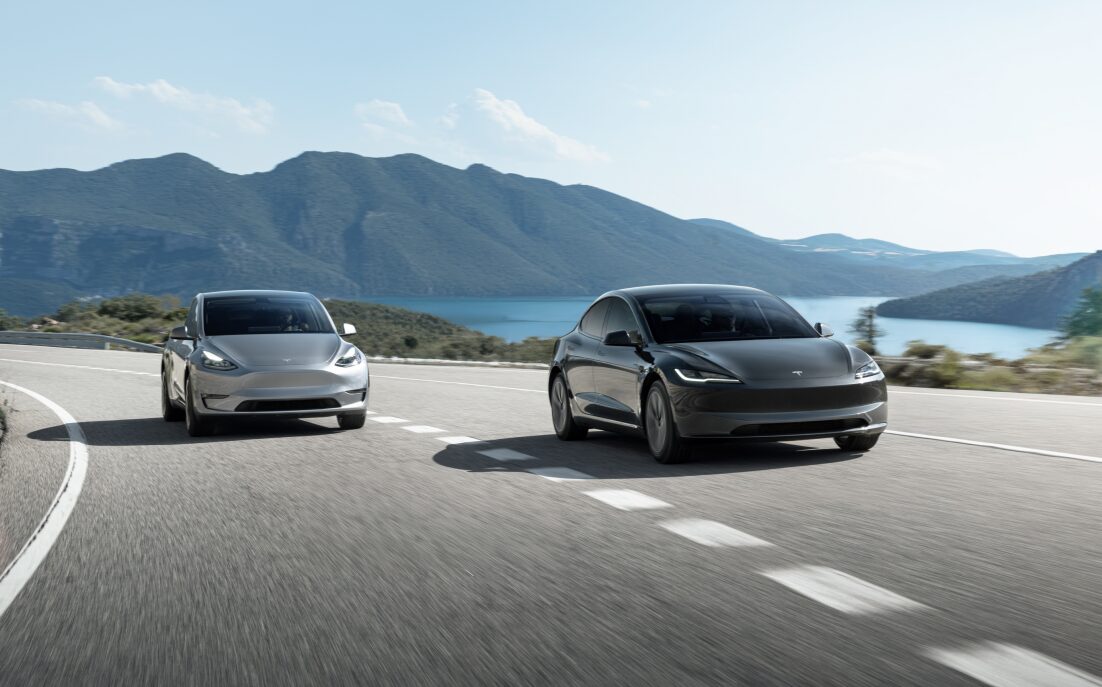
Tesla Compact SUV China: A Strategic Pivot to Win the EV Price War?
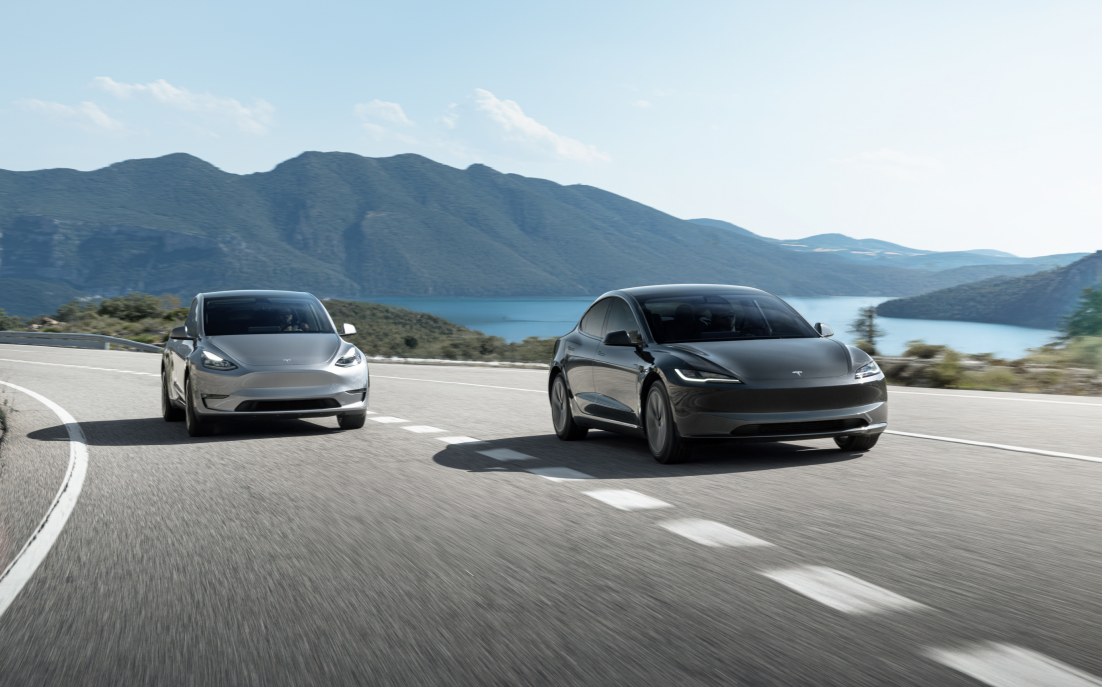
Tesla Compact SUV China: A Strategic Pivot to Win the EV Price War?
Is Tesla finally surrendering to China’s brutal EV price war, or is this the Trojan Horse for its autonomous taxi empire? According to exclusive reporting from Reuters, the electric vehicle giant is secretly developing a Tesla compact SUV China platform—a dedicated entry-level model designed to undercut even the Model 3 while serving dual purposes as a consumer vehicle and future robotaxi.
This development marks a critical inflection point for Western investors tracking Tesla’s global competitiveness. After CEO Elon Musk publicly shelved the affordable “Model 2” project earlier in 2024 to prioritize autonomous driving and humanoid robots, these fresh revelations suggest a more nuanced strategy: a smaller, lighter electric SUV that bridges the gap between mass-market affordability and Tesla’s driverless future.
The Breaking News: A Dedicated Compact Platform
Four informed sources revealed to Reuters that Tesla has initiated detailed discussions with suppliers regarding a completely new vehicle architecture. Crucially, this is not a derivative of the Model 3 or Model Y, but a ground-up compact SUV design measuring approximately 4.28 meters (14 feet) in length—significantly shorter than the Model Y’s 4.75 meters (15.7 feet).
Why Platform Differentiation Matters
By creating a dedicated platform rather than simply de-contenting existing models, Tesla aims to achieve structural cost reductions impossible through mere feature deletion. The vehicle targets a weight of just 1.5 metric tons compared to the Model Y’s 2 tons, utilizing:
- Single-motor rear-wheel-drive configuration (versus dual-motor options)
- Smaller battery packs accepting reduced range (below Model Y’s 306-327 miles)
- Simplified manufacturing processes specifically negotiated with Chinese suppliers
Three sources confirmed production will center at Tesla’s Shanghai Gigafactory, with potential expansion to US and European facilities pending market validation.
Why This Matters for Western Investors
For US and EU stakeholders, the Tesla compact SUV China initiative represents more than a product launch—it signals Tesla’s acknowledgment that it cannot maintain global dominance solely through premium pricing while Chinese competitors like BYD, NIO, and XPeng capture volume in the world’s largest EV market.
The Price War Economics
Sources indicate Tesla targets pricing “significantly below” the Model 3’s $34,000 Chinese entry point. This aggressive positioning directly confronts BYD’s Seagull and similar sub-$25,000 Chinese EVs that have eroded Tesla’s market share. See our analysis on BYD’s Blade Battery cost advantages and the global EV price war dynamics.
However, this strategy carries margin risks. Tesla must navigate what Bloomberg analysts term the “profitability cliff”—cutting prices sufficiently to compete with subsidized Chinese brands without triggering the margin compression that has plagued Western legacy automakers.
Strategic Crossroads: Robotaxi vs. Mass Market
The most sophisticated insight from insider reporting involves Tesla’s dual-use vision. While Musk famously redirected resources from the affordable Model 2 toward the Cybercab robotaxi platform, this compact SUV appears designed to satisfy both objectives.
The Dual-Purpose Vehicle Architecture
Sources familiar with Tesla’s product philosophy suggest the compact SUV will feature removable or optional steering controls, allowing configuration as either:
- A traditional affordable consumer vehicle for markets lacking autonomous regulatory approval
- A dedicated robotaxi for regions permitting Level 4/5 autonomy
This flexibility addresses a critical business continuity concern: keeping Shanghai’s production lines at capacity while awaiting global regulatory frameworks for driverless vehicles. As one insider noted, Tesla recognizes that full autonomy faces years of regulatory hurdles in major markets, necessitating a human-driven revenue stream in the interim.
Production Timeline and Geopolitical Realities
Despite the strategic urgency, sources caution the project remains in early development, with 2024 production deemed impossible. This timeline aligns with Tesla’s typical 18-24 month development cycles for new platforms.
Official Denials vs. Market Intelligence
Tesla China publicly disputed the Reuters report, calling the information “untrue.” However, supplier-side confirmations and the specificity of technical details (including precise dimensions and weight targets) suggest the project exists in some form, even if final production decisions remain pending.
This discrepancy highlights the opacity of Tesla’s China operations, where competitive intelligence gathering has become crucial for investors. Financial Times analysis suggests such denials often precede official announcements by 6-12 months in the Chinese market.
Implications for US and European Markets
While initially targeting China’s price-sensitive market, the compact SUV’s potential expansion to Western markets carries profound implications:
- Affordability Benchmark: If Tesla achieves sub-$30,000 pricing in North America (accounting for tariffs and transport), it would undercut even the Chevrolet Bolt’s former positioning
- Factory Utilization: Texas and Berlin facilities could gain new production mandates, improving capacity utilization amid slowing Model 3/Y demand
- Regulatory Arbitrage: The vehicle’s simplified design may help Tesla navigate upcoming EU battery regulations and US IRA compliance more efficiently than retrofitting existing platforms
Conclusion: A Necessary Gamble
The Tesla compact SUV China project, whether acknowledged by the company or not, represents Tesla’s admission that the autonomous future remains distant while the present demands volume. For Western investors, this signals a pragmatic pivot—combining the immediate necessity of competing in China’s price war with the long-term optionality of a robotaxi-ready fleet.
Success here requires flawless execution: maintaining Tesla’s brand premium while achieving Chinese-level cost structures. If achieved, it could redefine affordable electric mobility globally. If failed, it risks margin erosion in the world’s most competitive automotive market.
Recommended Reading
For deeper insight into the geopolitical and technological battle for battery dominance underpinning this price war, we recommend The Powerhouse: America, China, and the Great Battery War by Steve LeVine. This critically acclaimed work provides essential context on how Chinese supply chain advantages are reshaping global automotive economics—directly relevant to understanding Tesla’s current strategic maneuvering.