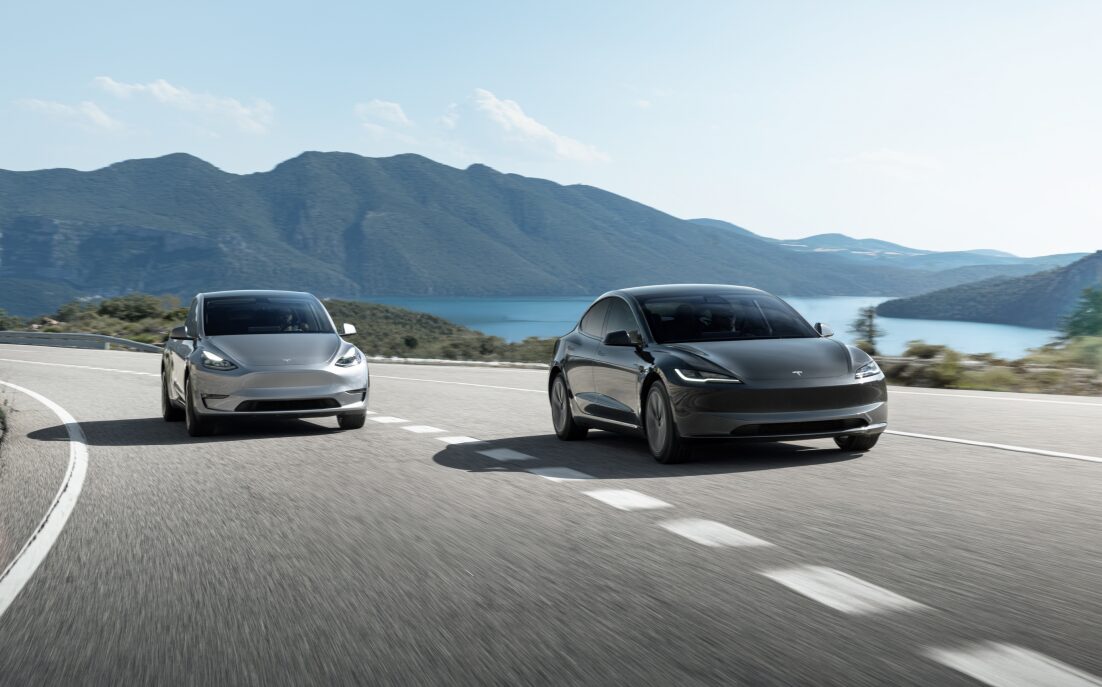
Tesla BYD Germany Sales Surge: The Historic EV Battle Investors Can’t Ignore
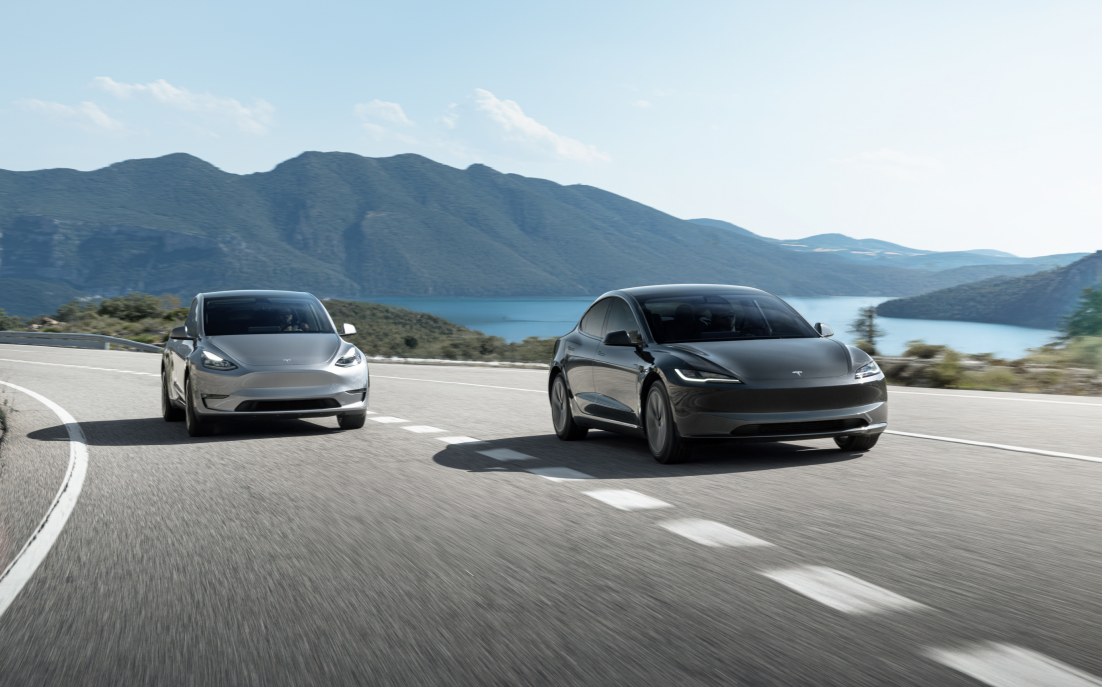
Tesla BYD Germany Sales Surge: The Historic Battle for Europe’s EV Crown
What happens when an American EV giant and a Chinese challenger simultaneously post 300% growth in Europe’s most critical auto market? The Tesla BYD Germany sales surge of March 2025 signals more than a quarterly recovery—it marks a permanent power shift as battery electric vehicles officially dethroned gasoline cars for the first time in German history.
The Historic Milestone: EVs Overtake Gasoline
According to Germany’s Federal Motor Transport Authority (KBA), March 2025 marked a watershed moment. BEV registrations hit 70,663 units (up 66.2% year-over-year), narrowly edging out gasoline vehicles at 66,959 units (down 4.9%). This 24% market share for pure electrics—up from 16.8% last year—represents irreversible electrification of Europe’s automotive heartland. Official KBA data confirms this is the first time BEVs have outsold traditional combustion engines in German history.
A Tale of Two Surges: Tesla’s Recovery vs BYD’s Invasion
While headlines celebrate Tesla’s 315.1% surge to 9,252 units, sharp-eyed analysts noticed something equally significant: BYD actually outpaced Tesla with 327.1% growth, reaching 3,438 registrations in March. This statistical dead heat reveals a market transitioning from monopoly to duopoly.
Tesla’s Strategic Resurgence
Tesla’s dramatic recovery follows a challenging period where its European market share nearly halved in 2025, plagued by CEO Elon Musk’s political controversies and aging model lines. The turnaround correlates directly with aggressive pricing on refreshed Model Y and Model 3 variants launched late 2024. With Q1 cumulative registrations hitting 12,829 (up 160%), Tesla proves it can still dominate when price competitiveness aligns with product refreshes. Reuters automotive analysis indicates this reflects broader price war dynamics across Europe, confirming that Tesla retains pricing power when product cycles align with market demand.
BYD’s European Breakthrough
BYD’s 327% jump represents more than numbers—it validates the Chinese EV maker’s premium positioning strategy. With 9,120 cumulative Q1 registrations, BYD is no longer a niche player but a legitimate threat to incumbent European brands. This growth comes despite ongoing EU tariff investigations and anti-subsidy probes, suggesting Chinese EVs have achieved product-market fit with German consumers. As Bloomberg reports, BYD is leveraging blade battery technology and aggressive showroom expansion to challenge established players, confirming that regulatory barriers are proving insufficient to slow Chinese technological competitiveness.
- Tesla March 2025 Germany: 9,252 units (+315.1% YoY)
- BYD March 2025 Germany: 3,438 units (+327.1% YoY)
- Market Context: Total German EV market grew 66.2% to 70,663 units
- Historic Shift: BEVs (70,663) outsold gasoline (66,959) for first time
Why Western Investors Must Pay Attention
This dual surge reveals critical investment insights. First, Germany’s EV market has achieved escape velocity—growth is no longer subsidy-dependent but driven by genuine consumer preference and competitive pricing. Second, the ecosystem battle between American and Chinese EV architectures is playing out in real-time on European soil, with German consumers increasingly viewing both as viable alternatives to domestic brands.
For investors, the key metric is trajectory divergence. While Tesla maintains volume leadership, BYD’s higher growth rate from a smaller base suggests rapid market share accretion that could mirror smartphone market dynamics, where Chinese brands eventually dominated global volume. See our analysis on Chinese EV expansion strategy in Europe for deeper ecosystem implications.
Beyond Germany: The Continental Pattern
The German surge reflects broader European recovery patterns. France reported Tesla registrations jumping 203% to 9,569 units—nearly matching historical peaks. Nordic markets showed similar strength: Norway (+178%), Sweden (+144%), and Denmark (+96%). However, Southern European growth remained modest—Italy saw 32% Tesla growth while Spain managed 25%—suggesting regional infrastructure disparities and purchasing power gaps still influence adoption curves. This geographic bifurcation indicates that Northern European markets are approaching EV saturation points while Southern markets remain growth frontiers.
Recommended Reading
To understand the battery technology and supply chain dynamics driving this competition, we recommend The Powerhouse: America, China, and the Great Battery War by Steve Levine. This detailed account of the global battery race provides essential context for why German consumers are increasingly choosing between Silicon Valley and Shenzhen rather than Stuttgart or Wolfsburg, and why the Tesla BYD Germany sales surge represents merely the opening phase of a decades-long industrial contest.
Data sources: German Federal Motor Transport Authority (KBA), Reuters, Bloomberg