Europe EV Market Share Hits 18.8%: Why Honda and VW Are Retreating Despite Record Demand
Europe EV Market Share Hits 18.8%: Why Honda and VW Are Retreating Despite Record Demand
What if the global electric vehicle transition isn’t stalling because consumers don’t want EVs, but because Western automakers can’t afford to build them? While headlines trumpet Honda’s cancellation of North American EV projects and Volkswagen’s ID.4 production halt, Europe EV market share hit 18.8% in early 2025—debunking the myth that battery electric vehicles only sell in China. The data reveals a paradox: demand is accelerating, yet legacy manufacturers are retreating. For Western investors and industry observers, this signals not a market failure, but a profitability crisis that could reshape global automotive competition.
The Data That Destroys the ‘China-Only’ EV Narrative
Recent data from the European Automobile Manufacturers’ Association (ACEA) reveals a market transformation that contradicts the prevailing pessimism. In January and February 2025, battery electric vehicles (BEVs) captured 18.8% of EU new car sales, meaning nearly one in five vehicles sold was fully electric. When combined with plug-in hybrids (PHEVs) at 9.8%, electrified vehicles reached 28.6% of the market—almost matching internal combustion engines at 30.6%.
- BEV Growth: Up from 15.2% in 2024 to 18.8% in early 2025
- ICE Decline: Traditional combustion engines dropped from 38.7% to 30.6%
- Trajectory: Plug-in vehicles are on track to surpass ICE sales within 12 months
This data directly contradicts the narrative emerging from Tokyo and Wolfsburg that EV demand has ‘stalled’ outside China. The reality is more complex: European consumers are buying EVs, but primarily from brands that can price them competitively—namely, Chinese manufacturers and Tesla.
Why Legacy Automakers Are Forced to Retreat
Honda’s Trillion-Yen Reality Check
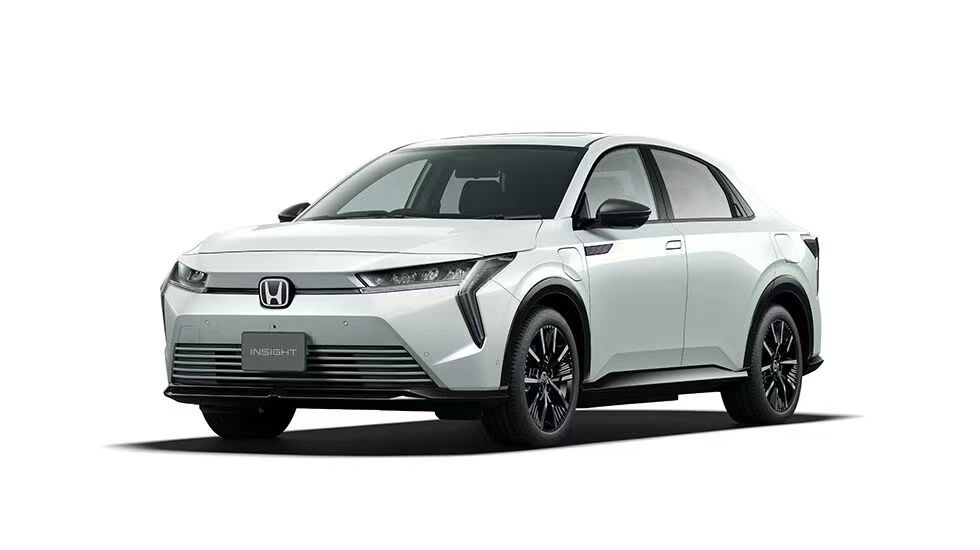
Honda’s recent announcement to cancel multiple North American EV projects—including the cancellation of its planned $2 billion joint facility with GM—comes with a staggering financial admission. The company expects to absorb up to 2.5 trillion yen ($16.5 billion) in write-downs and losses related to these discontinued programs. This isn’t a strategic pivot; it’s financial triage.
According to Reuters, Honda will instead double down on hybrid technology, betting that consumer demand for intermediate electrification will sustain cash flows while BEV economics remain unfavorable.
Volkswagen’s American Exit
Similarly, Volkswagen Group has ceased ID.4 production at its Chattanooga, Tennessee facility and announced a 1-2 year pause on expanding its BEV portfolio in the United States (excluding the ID. Buzz). This follows Stellantis’s termination of the Ram 1500 REV electric pickup and delayed European EV launches.
These moves suggest a pattern: Western OEMs are discovering that building EVs at scale while maintaining margins is proving impossible against subsidized, vertically integrated Chinese competition.
The Profitability Gap: China’s Structural Advantage
The disconnect between rising Europe EV market share (18.8%) and Western OEM retreat lies in manufacturing economics. Chinese EV makers benefit from:
- Integrated battery supply chains (controlling 60%+ of global cell production)
- Government subsidies and raw materials access
- Software-defined vehicle architectures that reduce component costs
Meanwhile, legacy automakers face:
- High legacy pension and labor costs
- Dealership network obligations incompatible with direct-sales EV models
- Battery sourcing dependencies on Chinese suppliers
As noted by Bloomberg, this cost disparity means Chinese brands can undercut European prices by 20-30% while maintaining profitability—a margin legacy OEMs cannot match without bleeding cash.
Toyota’s Third Way: The Hybrid Hedge
While Honda and VW retreat, Toyota continues its ‘omnichannel’ approach—simultaneously developing HEVs, PHEVs, BEVs, and hydrogen. Data from iSeeCars and Edmunds suggests this flexibility is paying off: Toyota avoided the massive write-downs affecting competitors while maintaining optionality.
For Western investors, Toyota represents a hedge against transition risk, while pure-play EV commitments from Detroit and Europe now look increasingly like stranded asset risks.
Investment Implications: The China Invasion Accelerates
As legacy OEMs cede ground, Chinese manufacturers are exploiting the gap. With Europe EV market share proving robust at 18.8%, brands like BYD, NIO, and XPeng are accelerating European showroom openings despite tariff threats.
See our analysis on BYD’s aggressive European pricing strategy and market penetration tactics.
The strategic risk for Western markets is clear: If domestic manufacturers delay EV investment due to short-term profitability concerns, they risk permanently ceding the 18.8% (and growing) EV market to Chinese competitors who are willing to accept lower initial margins for market share dominance.
Conclusion: Don’t Mistake Strategy for Demand
The narrative that ‘EVs only sell in China’ is officially dead. With Europe EV market share hitting 18.8%, the technology has achieved mainstream adoption in the West. However, Honda’s 2.5 trillion yen write-down and VW’s production pauses reveal that legacy automakers cannot profitably serve this demand.
For investors and industry observers, the lesson is stark: The EV transition isn’t slowing—Western incumbent’s ability to participate in it is. As Chinese brands fill the vacuum left by retreating legacy OEMs, tomorrow’s automotive landscape may look far more Eastern than Detroit or Wolfsburg ever anticipated.