FORVIA Sells Interior Business: A Strategic Move for the Future of Automotive Supply

FORVIA Sells Interior Business: A Strategic Move for the Future of Automotive Supply
Is the sale of FORVIA’s interior business a sign of the changing tides in the automotive supply chain? Let’s dive into the details.
Overview of the Sale
Automotive supplier FORVIA has announced the sale of its interior business to Apollo Funds for €1.82 billion. This transaction is a key milestone in FORVIA’s IGNITE strategy, which aims to focus on high-value, technology-driven core businesses while optimizing financial structures.
Strategic Implications
The sale of the interior business is expected to reduce FORVIA’s net debt by at least €1 billion. This move is part of a broader trend where traditional Tier 1 suppliers are divesting low-margin businesses to improve their financial health and invest in more profitable, high-tech areas.
Why This Matters to Western Investors and Car Buyers
- Financial Health: Reducing debt and focusing on high-margin, technology-driven businesses can lead to better financial performance and stability for companies like FORVIA.
- Innovation Focus: The shift towards high-value, technology-driven businesses suggests a commitment to innovation, which is crucial in the rapidly evolving automotive industry, especially with the rise of electric vehicles (EVs) and advanced driver-assistance systems (ADAS).
- Market Competition: As Tier 1 suppliers streamline their operations, they become more competitive, potentially leading to better products and services for car buyers.
Industry Trends and Challenges
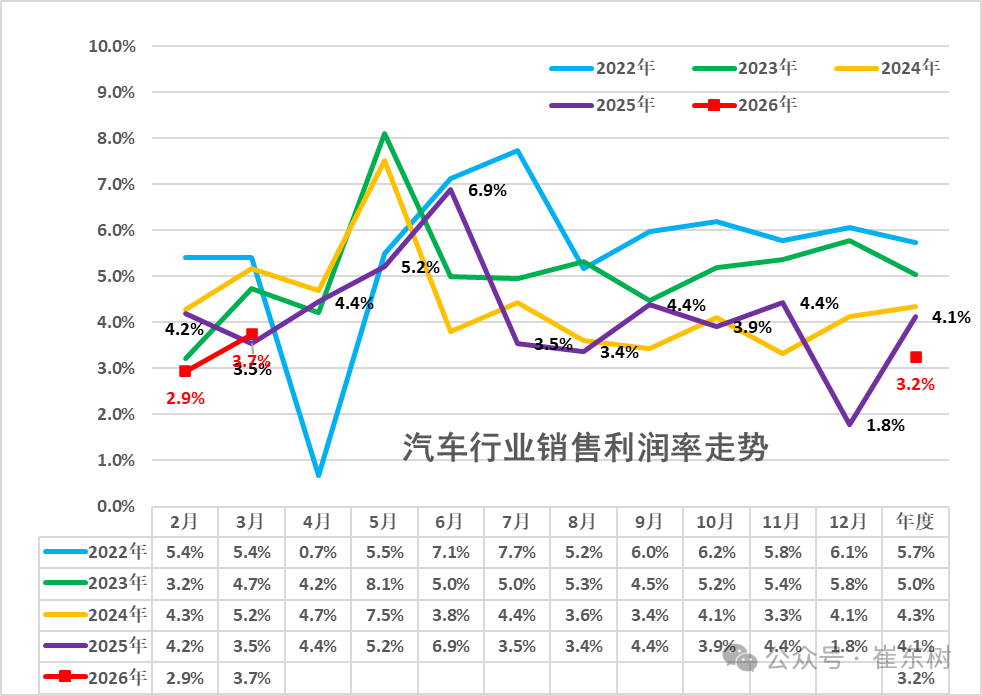
The automotive industry is facing significant challenges, including declining profit margins and increasing costs. According to data from Cui Dongshu, the profit margin for the automotive industry in the first quarter of 2026 dropped to 3.2%, down from 3.7% in March. This decline is attributed to rising costs and decreasing revenues, putting pressure on the entire supply chain.
Cost Pressures and Profit Margins
The cost pressures are not limited to the automotive industry. Upstream industries, such as mining and oil, are experiencing high profits, which further exacerbate the cost pressures on midstream and downstream industries. For example, the price of lithium carbonate has doubled, and other commodity prices remain high, increasing the raw material costs for automotive manufacturers.
Conclusion
The sale of FORVIA’s interior business is a strategic move that aligns with the company’s long-term goals. By divesting low-margin businesses and focusing on high-value, technology-driven areas, FORVIA is positioning itself for future success in a highly competitive and rapidly changing market. For Western investors and car buyers, this move signals a commitment to financial stability and innovation, which are critical for the future of the automotive industry.
See our analysis on Trends in Electric Vehicle Supply Chains for more insights into the evolving automotive landscape.