XPeng Profitability Analysis: Q4 2024’s Surprise Win and What It Means for Investors
XPeng Profitability Analysis: How the X9 MPV and Volkswagen Deal Cemented a Turnaround
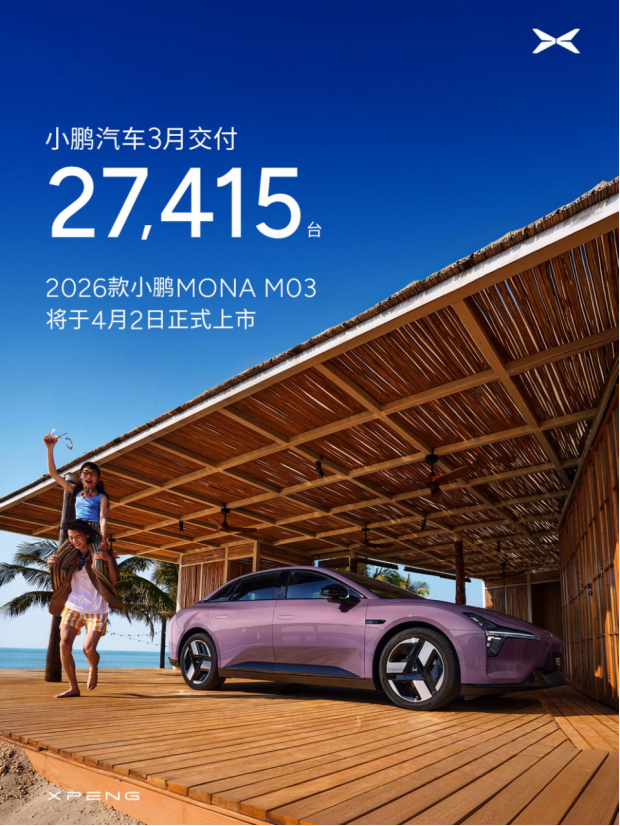
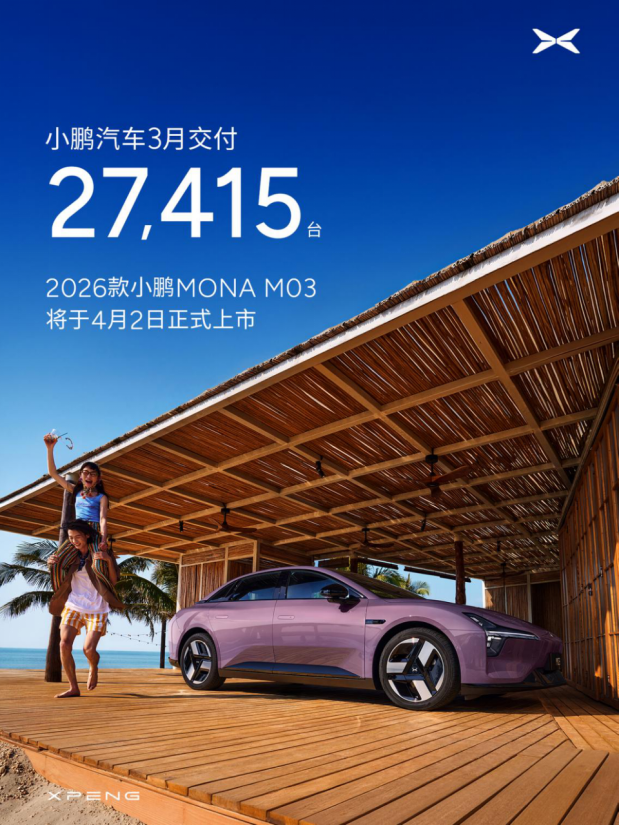
What if I told you that a Chinese EV startup once dismissed as just another ‘Tesla copycat’ just posted its first quarterly profit while simultaneously licensing its technology to Volkswagen? XPeng’s March delivery surge of 27,415 units—up 80% month-over-month—is merely the surface headline. Beneath the hood lies a more compelling narrative for Western investors: XPeng has potentially cracked the code on sustainable profitability in the world’s most brutal automotive market.
In this comprehensive XPeng profitability analysis, we examine the Q4 2024 financial breakthrough that saw the company record ¥3.8 billion ($525 million) in net profit, a dramatic swing from years of cash burn. With gross margins hitting 18.9% and a strategic pivot from XPeng Motors to XPeng Group, the Shenzhen-based automaker is signaling something rare among Chinese EV startups: viable economics.
The Q4 2024 Inflection Point: From Burn Rate to Profitability
For years, XPeng (NYSE: XPEV) embodied the classic startup dilemma—impressive growth with bleeding balance sheets. That changed in Q4 2024.
- Net Profit: ¥3.8 billion ($525 million) — the company’s first profitable quarter
- Revenue: ¥22.25 billion ($3.07 billion), driven by premium model mix
- Gross Margin: 18.9%, up significantly from previous quarters
- R&D Efficiency: ¥9.49 billion ($1.31 billion) annual spend, up 47% YoY, now yielding monetizable IP
According to Reuters automotive analysis, this margin expansion contradicts the narrative that Chinese EV makers must choose between volume and profitability. XPeng’s strategy suggests a third path: ecosystem premiumization.
The X9 MPV: Standard Features as Competitive Moat
The profitability engine is not merely cost-cutting—it is the X9 MPV. With 3,075 units delivered in March alone and cumulative global sales exceeding 55,000, this premium family vehicle demonstrates XPeng’s technical differentiation:
- Standard rear-wheel steering (typically a luxury option in Western markets)
- Third-row electric folding seats
- Positioning in the high-margin MPV segment, traditionally dominated by Japanese and German brands
The X9’s success validates XPeng’s ‘technology democratization’ thesis—offering flagship features at mass-market prices while maintaining margins through vertical integration.
Technology Export: The Volkswagen Validation
Perhaps more significant than vehicle sales is XPeng’s emergence as a technology supplier. The production launch of the Volkswagen Zhongzhong 08—developed in just 24 months from contract signing—marks a historic reversal: a Western legacy automaker adopting Chinese EV architecture.
The vehicle integrates XPeng’s second-generation VLA (Vision-Language-Action) autonomous driving system and proprietary Turing chips. As noted by Bloomberg’s automotive coverage, this represents one of the first instances of a major Western OEM outsourcing core intelligent driving technology to a Chinese startup.
For investors, this transforms XPeng from a pure-play automaker into a potential Tier 1 supplier—a business model with substantially higher margin potential and defensive moats.
VLA 2.0 and the X-World Advantage
XPeng’s technical credibility rests on its VLA system, now in its second generation and deployed across 732 retail stores. The March rollout generated doubled daily test drive volumes, indicating strong consumer interest in hands-free driving capabilities.
Complementing this is the X-World model—a video diffusion-based AI system for autonomous driving simulation. Unlike traditional testing methods, X-World generates synthetic training scenarios, reducing development costs while improving safety validation. This ‘software-defined vehicle’ approach aligns with Tesla’s methodology but executes at Chinese speed-to-market.
Strategic Expansion: Mexico as the Proving Ground
While Western investors fixate on European and North American penetration, XPeng is executing a clever geopolitical hedge through Mexico. With the G6 priced at approximately ¥310,000 ($43,000) and the G9 at ¥420,000 ($58,000), the company targets Latin America’s premium segment.
The establishment of a 1,000-square-meter parts warehouse represents supply chain pre-positioning that anticipates tariff complexities. This ‘nearshoring’ strategy—manufacturing proximity without direct US market exposure—offers XPeng revenue diversification insulated from Sino-American trade friction.
From Motors to Group: The Organizational Pivot
The corporate renaming from ‘XPeng Motors’ to ‘XPeng Group’ reflects ambitions beyond passenger vehicles. With R&D spending reaching 47% year-over-year growth, the company is clearly investing in platform technologies applicable to robotics, flying vehicles (eVTOL), and energy solutions.
This diversification mirrors Hyundai and Samsung’s Korean chaebol model—using automotive cash flows to fund next-generation mobility bets. For investors, this suggests XPeng is building optionality beyond the cyclical auto industry.
Investment Implications: Is XPeng Finally Investable?
The XPeng profitability analysis reveals a company transitioning from ‘growth at all costs’ to ‘sustainable unit economics.’ The 18.9% gross margin, while below Tesla’s current levels, exceeds that of many legacy automakers and demonstrates pricing power.
However, risks remain. The Chinese EV market faces severe price wars, and XPeng’s quarterly profit could reflect one-time accounting adjustments or favorable model mix rather than structural profitability. Sustainability requires maintaining R&D leadership while scaling manufacturing.
Western investors should view XPeng not as a speculative EV startup, but as an emerging technology conglomerate with automotive roots. The Volkswagen partnership provides external validation of its IP quality, while the Mexico expansion offers geographic hedging.
See our analysis on NIO vs XPeng: Which Chinese EV Stock Offers Better Value?
Recommended Reading
For deeper context on the autonomous driving race and Chinese innovation strategies, consider Driven: The Race to Create the Autonomous Car by Alex Davies, available on Amazon. This book provides essential historical context for understanding how XPeng’s VLA technology fits into the broader global race toward self-driving vehicles.