Hesai’s 6D Full Color LiDAR: The Picasso Chip Ending Western Sensor Dominance
What if the entire autonomous driving sensor architecture that Western automakers have spent billions developing just became technologically obsolete?
Hesai’s 6D Full Color LiDAR: The Picasso Chip Ending Western Sensor Dominance
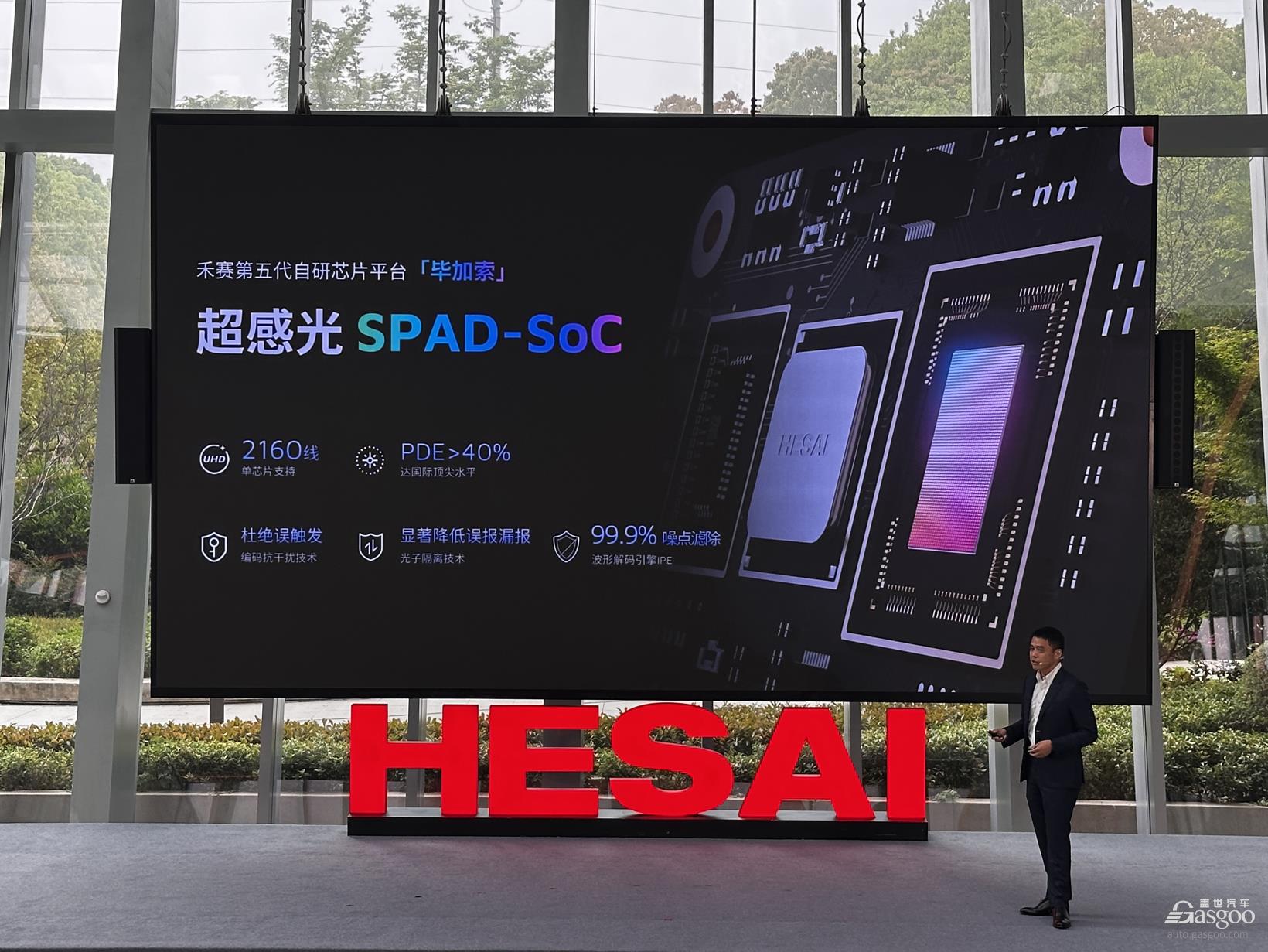
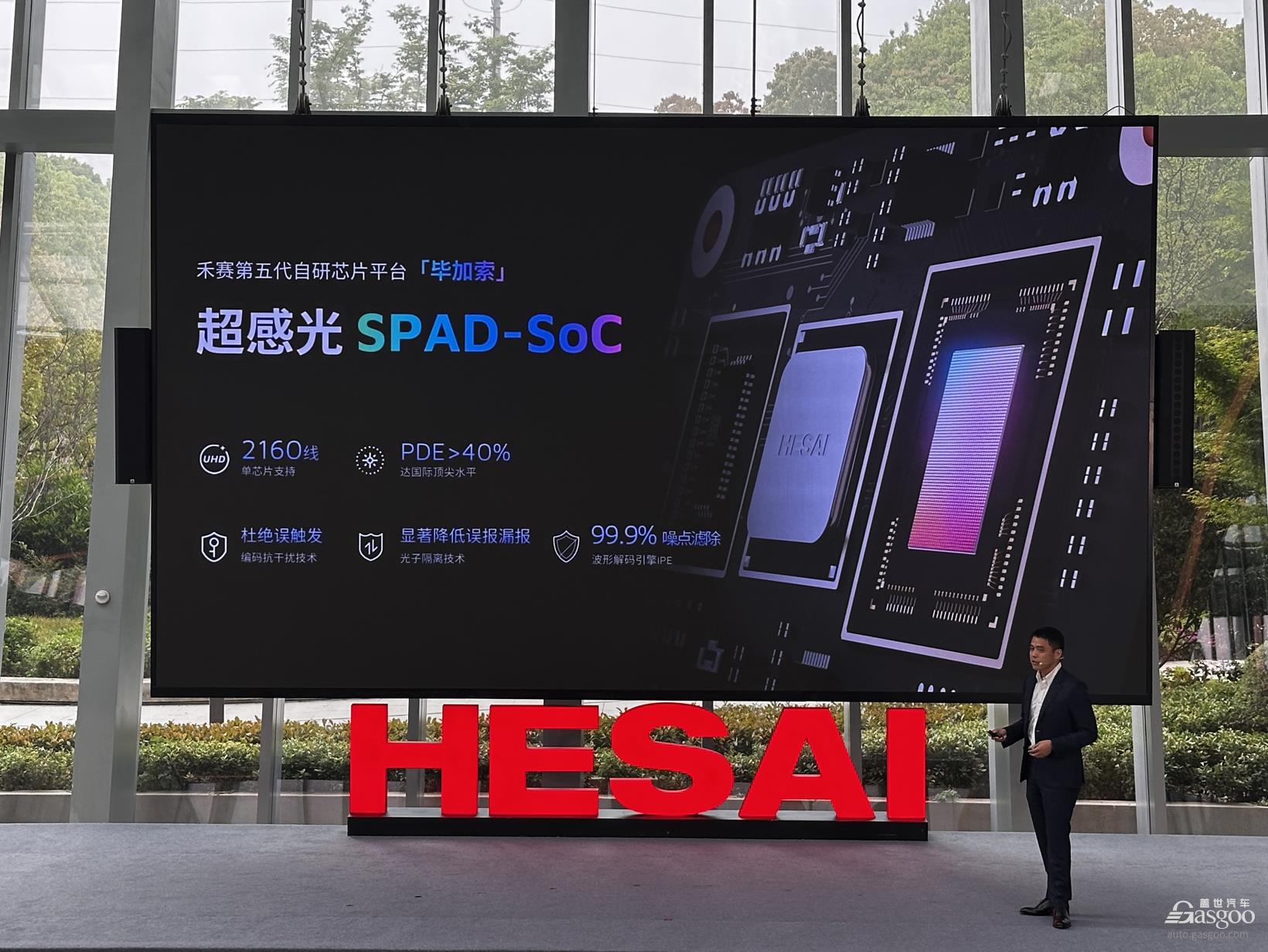
At Hesai Technology’s recent Tech Open Day, the Shanghai-based sensor giant unveiled a breakthrough that threatens to upend the global supply chain: the world’s first 6D full color LiDAR powered by the proprietary Picasso chip platform. This isn’t merely an incremental upgrade—it represents a paradigm shift from geometric point clouds to physical imaging that renders current camera-LiDAR fusion architectures obsolete.
See our analysis on why Chinese EV sensors are outpacing Western tech.
The Death of the Sensor Fusion Compromise
For years, autonomous driving has relied on what Hesai co-founder Sun Kai calls a stitching monster solution—physically combining LiDAR and cameras that never truly align. While Western Tier-1 suppliers optimized this imperfect marriage, Hesai eliminated the need for marriage entirely.
The Spatial-Temporal Problem
- Spatial Misalignment: Traditional setups suffer parallax errors where LiDAR points hit objects while camera pixels capture background air
- Temporal Drift: Independent shutters operating at different frequencies create microsecond gaps, distorting fast-moving objects at highway speeds
- Computational Waste: Processing power squandered reconciling two fundamentally incompatible data streams
Picasso Architecture: When LiDAR Becomes a Camera
The breakthrough lies in SPAD (Single Photon Avalanche Diode) technology. By replacing traditional sensors with fused SPAD Image and Depth Sensors, each pixel simultaneously captures XYZ coordinates and RGB color values—creating what Hesai defines as 6D perception.
Unlike Luminar’s high-performance units or Tesla’s vision-only approach, the ETX sensor operates as a full-time 3D camera. In pitch darkness, where standard cameras fail and traditional LiDAR only shows wireframe outlines, the Picasso-powered sensor distinguishes asphalt from potholes using texture and reflectivity data without external illumination.
Investment Implications: Why Detroit Should Panic
For investors holding Western automotive supplier stocks, Hesai’s pivot signals a strategic inflection. The Chinese LiDAR market is moving beyond commodity price wars into high-fidelity capability differentiation that directly threatens Western Tier-1 valuations.
The 6D Moat
- Semantic Gap: Western LiDAR creates geometric skeletons; Picasso creates interpretable scenes with native color recognition
- Regulatory Advantage: China’s Level 3 autonomy standards increasingly favor redundant perception—Hesai’s single-sensor solution reduces complexity while exceeding safety thresholds
- Cost Trajectory: Vertical integration of the Picasso SoC eliminates dependence on foreign image sensor suppliers
Technical Deep Dive: Beyond Geometric Perception
Traditional LiDAR systems excel at ranging but face an insurmountable limitation: they cannot interpret traffic light semantics or road signage color without computationally expensive fusion algorithms. The ETX platform’s native RGB capability eliminates this bottleneck.
As Sun Kai demonstrated, this enables true physical imaging—where the sensor doesn’t just detect that an object exists, but understands what it is through spectral signature. For autonomous vehicles, this means distinguishing between a brown cardboard box and a concrete block at 200 meters in zero-light conditions—a scenario where current Western systems fail.
Conclusion: The New Arms Race
The sensor war has evolved from range and resolution to semantic understanding. While Western companies debate LiDAR versus camera purity, Hesai has transcended the binary entirely. For automakers and investors, the message is clear: the future belongs to sensors that don’t compromise between precision and perception.
The Picasso platform isn’t just a product launch—it’s a declaration that Chinese sensor technology has leapfrogged from follower to architect of the post-fusion era.