Leapmotor Canada Production: Stellantis’s Secret Weapon Against Tariffs?
Leapmotor Canada Production Marks a Geopolitical Pivot for Stellantis
What happens when Detroit’s fourth-largest automaker teams up with China’s fastest-growing EV brand to resurrect a mothballed Canadian Jeep factory? You get the most controversial automotive deal of 2025—and potentially the blueprint for how Chinese EVs finally crack North America.
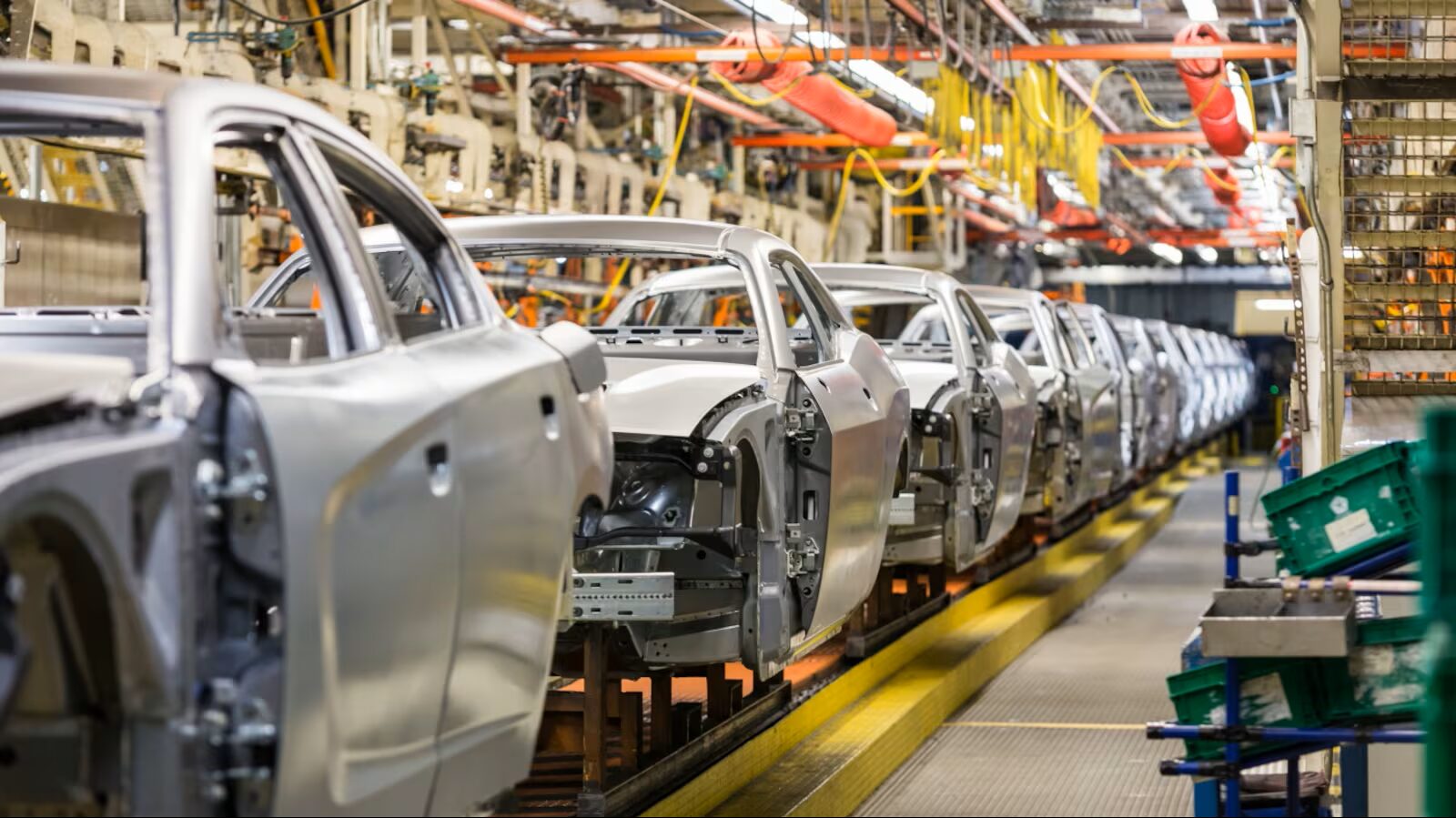
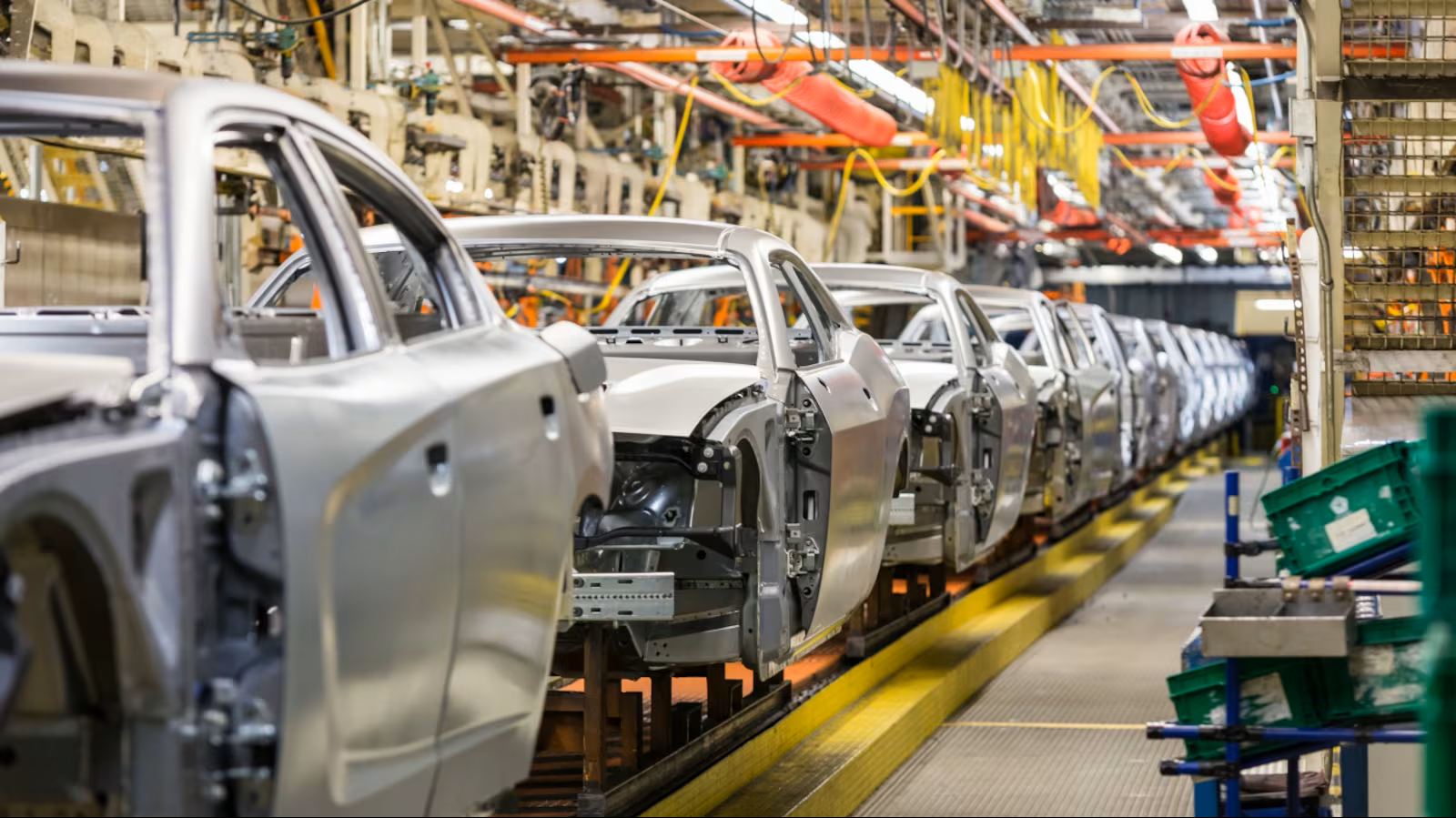
The proposed Leapmotor Canada production facility at Stellantis’s Brampton, Ontario plant represents more than just equipment utilization. It signals a radical inversion of traditional auto alliances: a Western OEM offering its manufacturing sovereignty as a bridgehead for Chinese electric vehicle penetration into tariff-protected markets.
Why Brampton, Why Leapmotor, Why Now?
The 2.4 million-square-foot Brampton assembly plant—once the heartbeat of Canadian Jeep production—has sat idle since Stellantis canceled plans for a next-generation SUV following renewed US tariff threats. Thousands of Canadian auto workers remain laid off, creating political pressure that Ottawa cannot ignore.
Enter Leapmotor. Since Stellantis acquired its 20% stake in 2023 and established the Leapmotor International joint venture in 2024, the Chinese brand has served as Stellantis’s designated attack vehicle for global markets. But with US tariffs on Chinese EVs hovering near 100%, direct importation remains economically impossible.
The Tariff Arbitrage Strategy
By producing Leapmotor vehicles in Brampton, Stellantis exploits a critical loophole: vehicles manufactured in Canada qualify for USMCA benefits, potentially circumventing the punitive duties levied against direct Chinese imports.
- Location Advantage: Brampton’s proximity to Toronto provides access to North American supply chains while satisfying Canadian content requirements.
- Political Cover: Prime Minister Mark Carney’s recent trade rapprochement with Beijing—specifically the January agreement to reduce EV tariffs—creates a diplomatic window for credible Chinese partners to invest in Canadian manufacturing.
- Asset Light: Leapmotor gains North American production capacity without the capital expenditure of greenfield development.
Investor Analysis: The Reverse Takeover Theory
For Western investors, this arrangement demands a paradigm shift. Traditional joint ventures saw Western automakers using Chinese partners to access local markets. Here, the flow reverses: Stellantis provides the factory, Leapmotor provides the EV technology and cost structure.
This represents what analysts call manufacturing arbitrage—using stranded Western assets to unlock Chinese product competitiveness. If successful, Leapmotor could undercut Tesla and Detroit’s Big Three on price while maintaining Made in Canada credentials.
Internal Link: See our analysis on how BYD’s Mexico strategy compares to Leapmotor’s Canadian approach for a complete picture of Chinese EV North American expansion.
Political Minefields Ahead
Despite the economic logic, significant obstacles remain. The Canadian government has stipulated that any new investment must prioritize domestic supply chains—a requirement that may conflict with Leapmotor’s typical Chinese-centric component sourcing.
Furthermore, the United States may challenge the USMCA eligibility of vehicles with significant Chinese intellectual property content, potentially triggering a rules-of-origin dispute that could nullify the tariff advantage.
Recommended Reading
To understand the strategic implications of China’s industrial policy on Western manufacturing, we recommend Chip War: The Fight for the World’s Most Critical Technology by Chris Miller. While focused on semiconductors, the book’s analysis of techno-nationalism and supply chain weaponization directly applies to the automotive sector’s current evolution. Available via Amazon.
Conclusion: The New Normal
Whether the Brampton deal finalizes or collapses under political pressure, it establishes a template: Chinese EV brands no longer need to conquer Western markets through export—they can simply lease the factories already sitting empty in America’s backyard. For Stellantis, it is a gamble between short-term revenue and long-term brand dilution. For the industry, it is a warning that the fortress walls of North American automotive protectionism may have more gates than guards.