Li Auto’s Expansion into Middle East and BaaS Model Disrupts EV Market
Li Auto’s Expansion into Middle East and BaaS Model Disrupts EV Market
Is Li Auto’s strategic move into the Middle East and its BaaS pricing model set to redefine the global EV market?
Introduction
In a bold move, Chinese electric vehicle (EV) manufacturer Li Auto has officially entered the United Arab Emirates (UAE) and Saudi Arabia markets. This expansion, combined with the introduction of the Battery-as-a-Service (BaaS) pricing model, is poised to disrupt the global EV landscape. Let’s dive into the details and explore why this matters for Western investors and car buyers.
Li Auto’s Strategic Move into the Middle East
Li Auto, a leading player in the Chinese EV market, has announced its entry into the UAE and Saudi Arabia. This move is significant for several reasons:
- Market Potential: The Middle East, particularly the UAE and Saudi Arabia, is an emerging market for EVs. With increasing government support and a growing awareness of environmental issues, the region presents a lucrative opportunity for EV manufacturers.
- Brand Recognition: By entering these markets, Li Auto aims to build brand recognition and establish a strong presence in the region. This can lead to increased sales and market share in the long term.
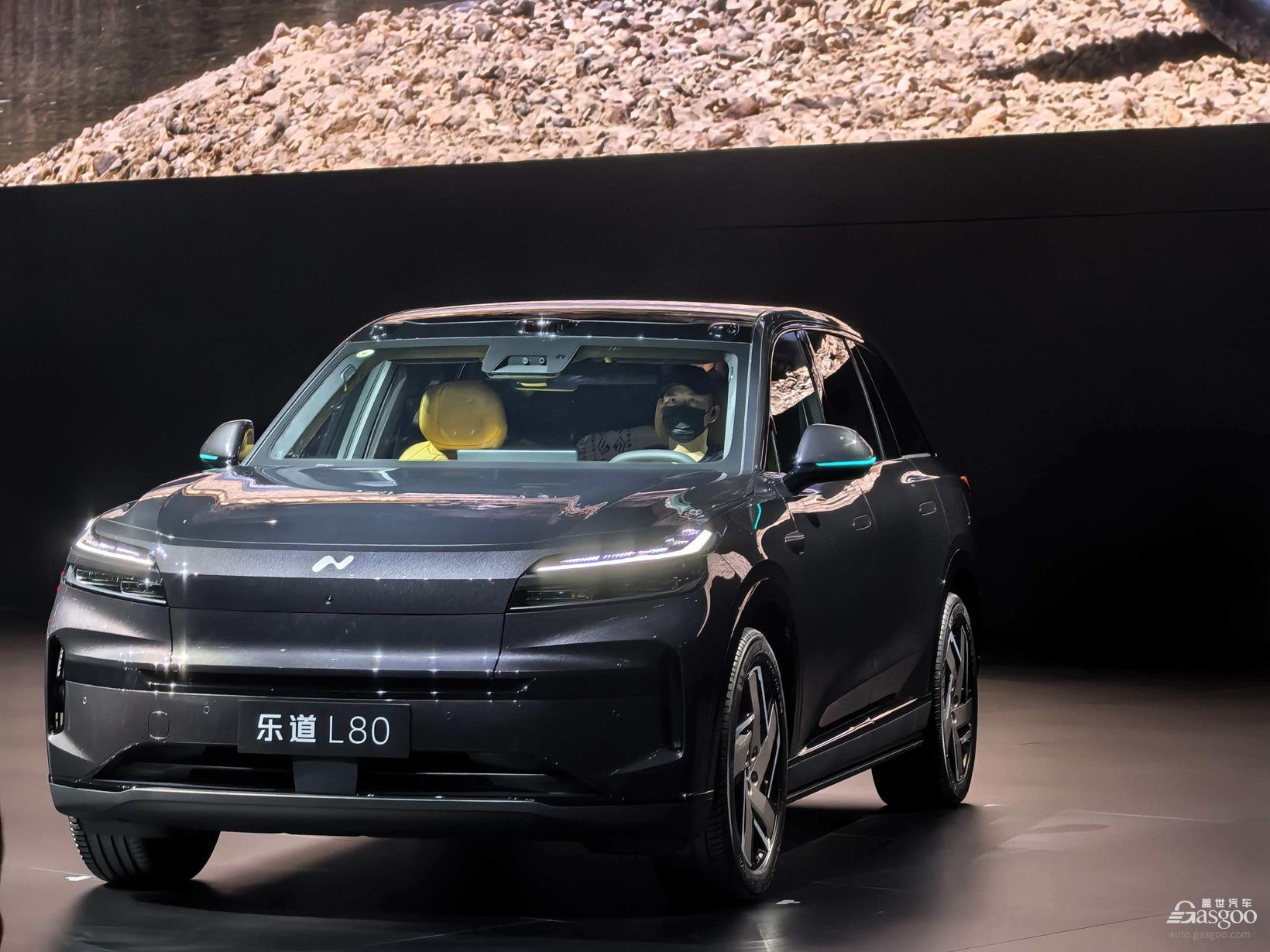
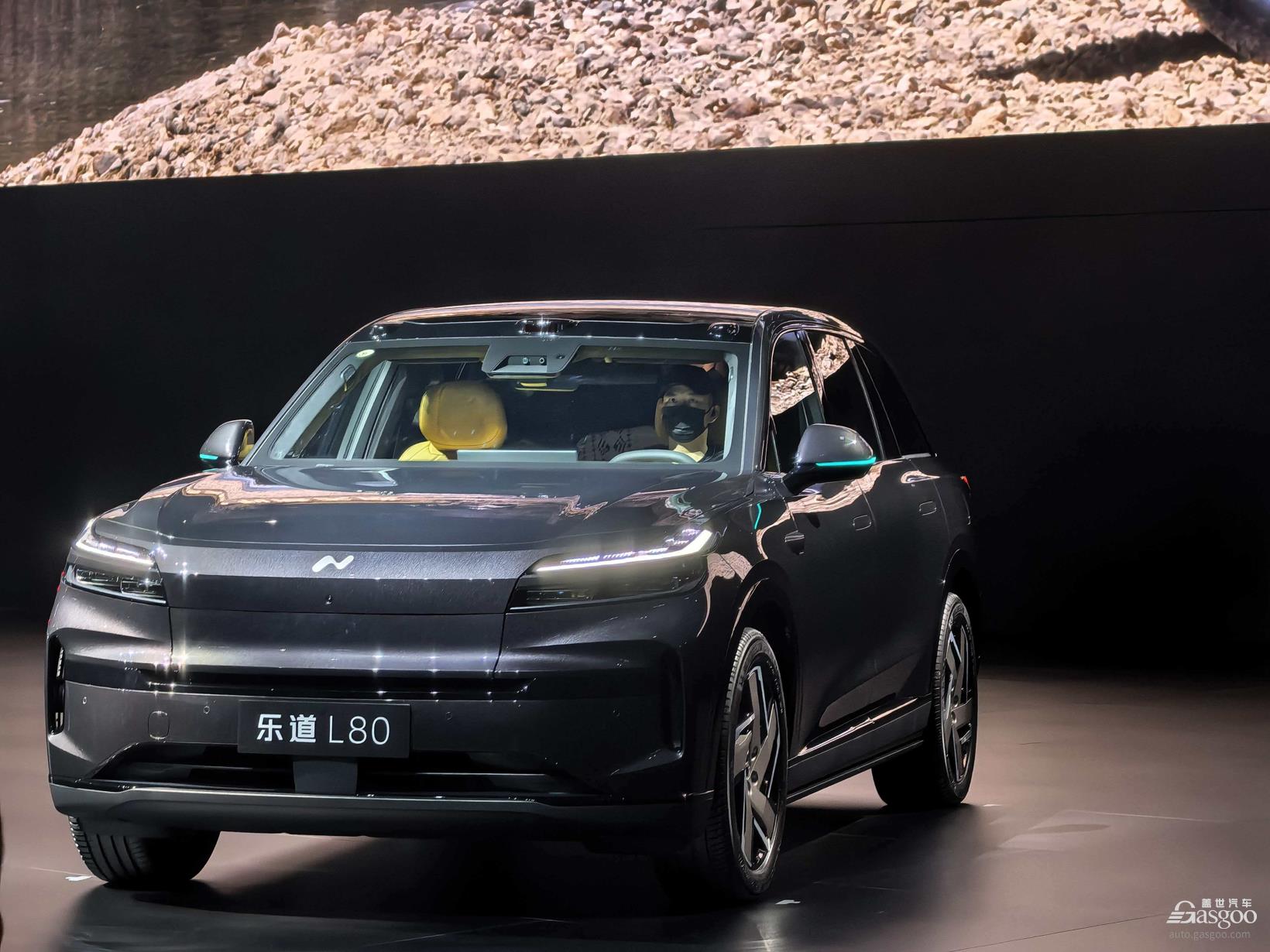
- Technological Advancements: Li Auto’s vehicles, such as the L80, are equipped with cutting-edge technology, including advanced autonomous driving features and high-performance batteries. These innovations are likely to appeal to tech-savvy consumers in the Middle East.
The Impact of the BaaS Pricing Model
One of the most disruptive aspects of Li Auto’s strategy is the introduction of the BaaS pricing model. This innovative approach allows customers to purchase the vehicle without the battery and lease it separately, significantly reducing the upfront cost. Here’s how it works:
- Lower Upfront Costs: The BaaS model reduces the initial purchase price of the vehicle, making it more accessible to a broader range of consumers. For example, the L80 with BaaS starts at 159,800 yuan (approximately $23,000 USD), compared to 245,800 yuan (approximately $35,000 USD) for the full vehicle purchase.
- Flexible Ownership: Customers can choose from different battery leasing options, allowing them to customize their ownership experience based on their needs and budget.
- Environmental Benefits: The BaaS model promotes the use of high-quality, long-lasting batteries, which can be recycled and reused, contributing to a more sustainable future.
Competitive Landscape and Market Response
The introduction of the BaaS model and Li Auto’s expansion into the Middle East is likely to have a significant impact on the competitive landscape. Other EV manufacturers, both in China and globally, may need to adapt their strategies to remain competitive. Some key points to consider:
- Price Competition: The lower upfront costs offered by the BaaS model could put pressure on other EV manufacturers to reduce their prices or offer similar flexible ownership options.
- Technological Innovation: Li Auto’s focus on advanced technology, such as the world’s first 5nm automotive-grade intelligent driving chip, sets a new standard for the industry. Competitors will need to invest in similar innovations to stay relevant.
- Global Expansion: As Li Auto expands into new markets, it may prompt other Chinese EV manufacturers to follow suit, leading to increased competition in the global EV market.
Conclusion
Li Auto’s strategic move into the Middle East and the introduction of the BaaS pricing model are game-changers in the global EV market. For Western investors and car buyers, this means a more competitive and innovative market, with potential for significant growth and technological advancements. Stay tuned to see how this disruption unfolds and what it means for the future of the EV industry.
For more insights on the Chinese EV market, see our analysis on the latest trends and developments.