Li Xiang’s Vision: From Autonomous Vehicles to Humanoid Robots

Li Xiang’s Vision: From Autonomous Vehicles to Humanoid Robots
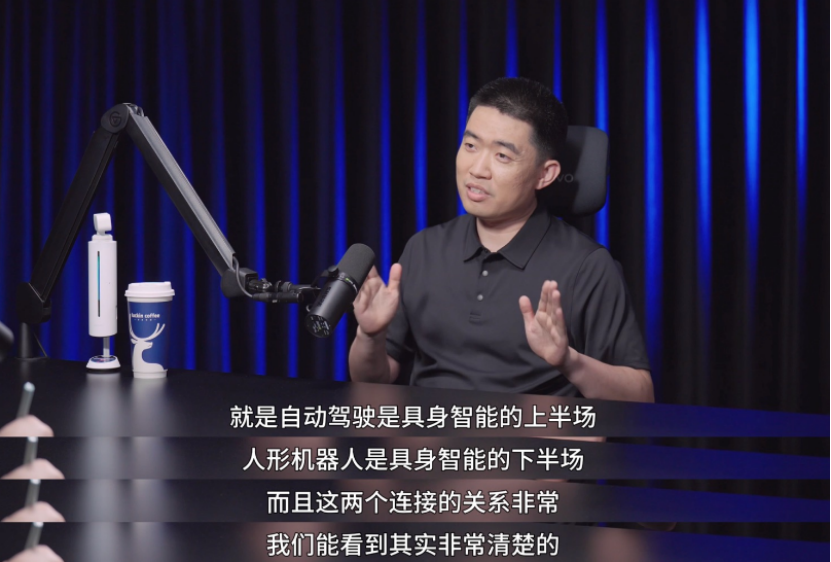
Is the future of automotive technology moving beyond vehicles to humanoid robots? Li Xiang, the founder of Li Auto, believes so. In a recent interview on The Crossroads with Luo Yonghao, Li Xiang outlined a strategic vision that redefines the boundaries of embodied intelligence (具身智能).
From Cars to Robots: A Decade-Long Strategy
In 2015, when Li Xiang embarked on his journey to build cars, he posed a fundamental question: What is the ultimate form of a car?
His answer was robots
, a concept that seemed almost science fiction at the time. Fast forward to today, and the new generation of Li Auto’s L9, marketed as an Embodied Intelligence Flagship SUV
, is bringing this vision closer to reality.
Autonomous Driving: The First Half of the Game
Li Xiang has divided the journey toward embodied intelligence into two halves. The first half, which focuses on autonomous driving, is broken down into three stages:
- L2 Level Combination Driving Assistance (2018-2023): This phase involves advanced driver assistance systems that can handle specific driving tasks but still require human oversight.
- L3 Level Conditional Automation (2023-2028): This stage introduces more sophisticated automation, where the vehicle can perform all driving tasks under certain conditions, but the driver must be ready to take over if needed.
- L4 Level High Automation (2028-2033): In this phase, the vehicle can operate autonomously in most conditions without human intervention.
Currently, the Chinese automotive industry is transitioning from the first to the second stage, a critical period for the development of autonomous driving technology.
Humanoid Robots: The Second Half of the Game
The second half of the strategy focuses on the development of general-purpose humanoid robots, also divided into three stages:
- Stage 1 (2030-2035): Robots with the generalized capabilities of a 6-year-old child.
- Stage 2 (2035-2040): Robots with the capabilities of a 12-year-old child.
- Stage 3 (2040 and beyond, until AGI is achieved): Robots with the capabilities of an 18-year-old adult.
This framework underscores the progressive nature of the transition from autonomous vehicles to humanoid robots. The core technologies developed for autonomous driving—such as perception, decision-making, and control—will serve as the foundation for the next generation of humanoid robots.
Strategic Implications for the Automotive Industry
For the automotive industry, this strategic pivot means that the competition over the next decade will not just be about sales figures, but about who can best integrate and advance these technologies. Western investors and automakers need to pay close attention to this shift, as it could redefine the competitive landscape and open up new opportunities in the robotics and AI sectors.
See our analysis on Autonomous Driving in China for more insights into the current state of the market.
Conclusion
Li Xiang’s vision of a future where cars and robots are part of the same technological continuum is both ambitious and forward-thinking. As the automotive industry continues to evolve, the integration of embodied intelligence will be a key differentiator. For Western investors and automakers, staying ahead of this curve will be crucial to maintaining a competitive edge in the global market.