Chinese Autonomous Driving Europe Expansion: Powering the 2026 Robotaxi Revolution
Chinese Autonomous Driving Europe Expansion: Powering the 2026 Robotaxi Revolution
Did you know that by 2030, Europe’s streets will host over 120,000 autonomous taxis? Here is what Western investors are missing: the artificial intelligence powering many of these vehicles is not coming from Silicon Valley or Stuttgart—it is coming from Beijing, Guangzhou, and Shenzhen. The Chinese autonomous driving Europe expansion represents the most sophisticated offshore deployment of Chinese automotive technology since the BYD seal landed in Frankfurt.
The 2026 Inflection Point: Europe Becomes the Third Battlefield
2026 is shaping up to be European mobility’s watershed moment. After years of regulatory caution and pilot programs confined to test tracks, Robotaxi services are finally graduating to commercial viability. But unlike the US market dominated by Waymo, or China’s tightly controlled domestic deployments, Europe’s autonomous landscape features an unexpected cast of technical suppliers.
According to Boston Consulting Group, the European Robotaxi fleet will swell to approximately 120,000 vehicles by 2030. Yet beneath these projections lies a critical dependency: Chinese AI and sensor fusion technology is becoming the invisible backbone of European autonomy.
China’s AV Titans: Momenta, Pony.ai, and Baidu Go West
While Western media fixates on Tesla’s Full Self-Driving or Waymo’s London expansion, three Chinese autonomous driving companies are executing a sophisticated end-run around trade barriers by partnering directly with European OEMs and mobility platforms.
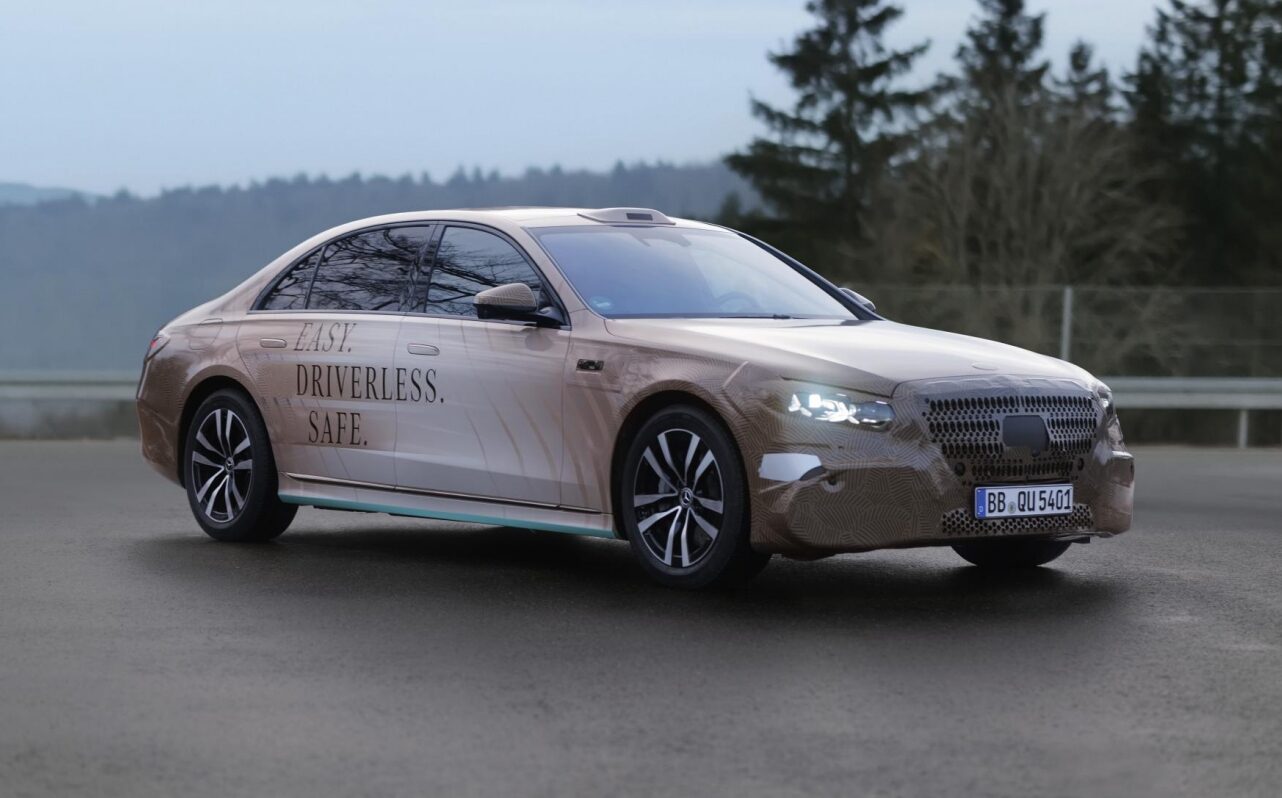
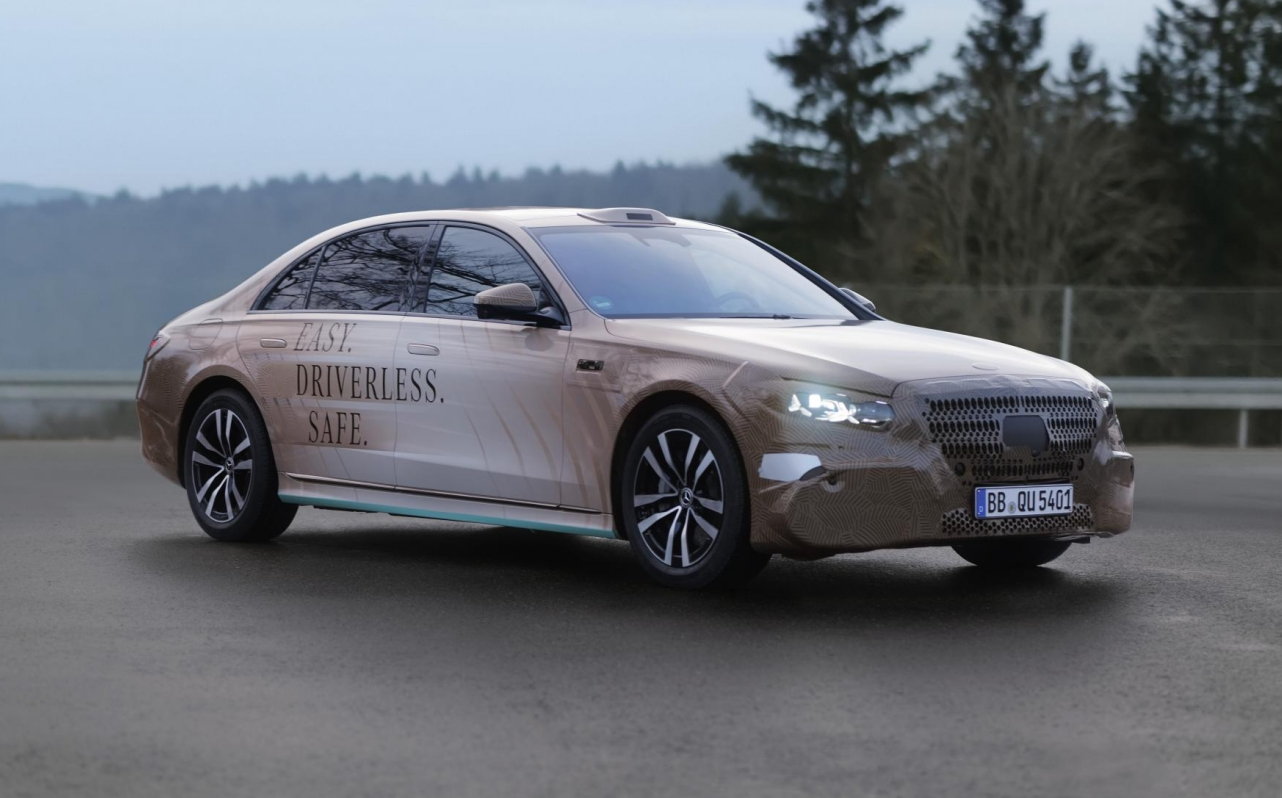
Mercedes-Benz + Momenta: Engineering German Luxury with Shanghai AI
Mercedes-Benz has selected China’s Momenta as its L4 autonomy partner, initially for the Middle Eastern market, with European integration planned for late 2024 or early 2025. CTO Jörg Burzer’s announcement that Mercedes aims to remove safety drivers by 2027 relies heavily on Momenta’s deep learning algorithms trained on complex Asian traffic patterns—data diversity that purely European-trained systems often lack.
Reuters reports that this partnership represents a reversal of traditional automotive hierarchies, where Chinese firms supply the brain and European manufacturers provide the body.
Verne, Uber, and Pony.ai: The Zagreb Gambit
Perhaps the most audacious entry is Pony.ai’s alliance with Croatian mobility startup Verne and Uber. This trilateral agreement positions Pony.ai’s autonomous stack within Verne’s purpose-built vehicles, deployed via Uber’s network. Road testing in Zagreb began recently, with commercial launch targeting 2026.
This arrangement cleverly bypasses direct Chinese corporate ownership of EU transportation assets—a regulatory red flag—while embedding Chinese software into European infrastructure. Bloomberg’s analysis suggests this model could become the template for Chinese AV entry into restrictive Western markets.
Baidu’s London Bridge
Baidu’s Apollo platform, already operating commercial Robotaxi services in Beijing and Wuhan, is reportedly collaborating with Uber and British AV startup Wayve to deploy services in London by 2026. This marks Baidu’s first European beachhead, bringing its 50-million-kilometer autonomous testing experience to bear against Waymo’s European aspirations.
Why Western Investors Should Pay Attention
The Chinese autonomous driving Europe expansion is not merely a technology transfer story—it is a strategic repositioning of global automotive value chains that carries significant implications for portfolio allocation.
- Regulatory Arbitrage: Chinese companies face fewer restrictions as software suppliers than as vehicle manufacturers, allowing them to monetize AV technology despite tariffs on Chinese EVs.
- Data Network Effects: Momenta and Pony.ai gain access to European traffic patterns and driving behaviors, improving their algorithms for global deployment while European competitors remain data-constrained by smaller test fleets.
- Capital Efficiency: While Waymo burns through Alphabet’s billions, Chinese AV firms operate on leaner budgets—Pony.ai recently achieved profitability in its ride-hailing operations—making their unit economics potentially superior for mass deployment.
See our analysis on BYD’s blade battery technology and European OEM supply chain integration for parallel insights on Chinese automotive vertical integration strategies.
The Regulatory Wildcard: GDPR and the AI Act
Europe’s GDPR and emerging AI Act present unique compliance challenges that Chinese companies must navigate. Unlike the US, where state-by-state regulation creates fragmentation, the EU’s unified approach means compliance in Zagreb equals access to Paris and Berlin. However, data sovereignty concerns could yet derail partnerships if European regulators determine that training data or telemetry crosses into Chinese servers.
Conflicting reports suggest that while CNBC highlights tightening scrutiny on Chinese tech investments, the automotive-specific nature of these AV partnerships—framed as software licensing rather than infrastructure ownership—may provide sufficient cover for continued expansion.
Recommended Reading
For deeper insight into how autonomous technology is restructuring global mobility markets, consider Driverless: Intelligent Cars and the Road Ahead by Hod Lipson and Melba Kurman. This MIT Press analysis examines the technological foundations of self-driving vehicles and the geopolitical implications of AI dominance in transportation—essential context for understanding why Chinese firms are racing to establish European beachheads.
Available on Amazon: Driverless: Intelligent Cars and the Road Ahead
Conclusion: The Invisible Hand on the Wheel
As 2026 approaches, Europe is not merely becoming the world’s third major Robotaxi market—it is becoming the proving ground for whether Chinese autonomous driving Europe expansion can compete on Western regulatory and technical terms. For investors tracking the $1.7 trillion global autonomous vehicle market, the partnerships forming today between Stuttgart, Zagreb, and Beijing will determine tomorrow’s winners in the race to remove the steering wheel.
Sources: Reuters Automotive, Bloomberg New Economy, Boston Consulting Group, Company Press Releases