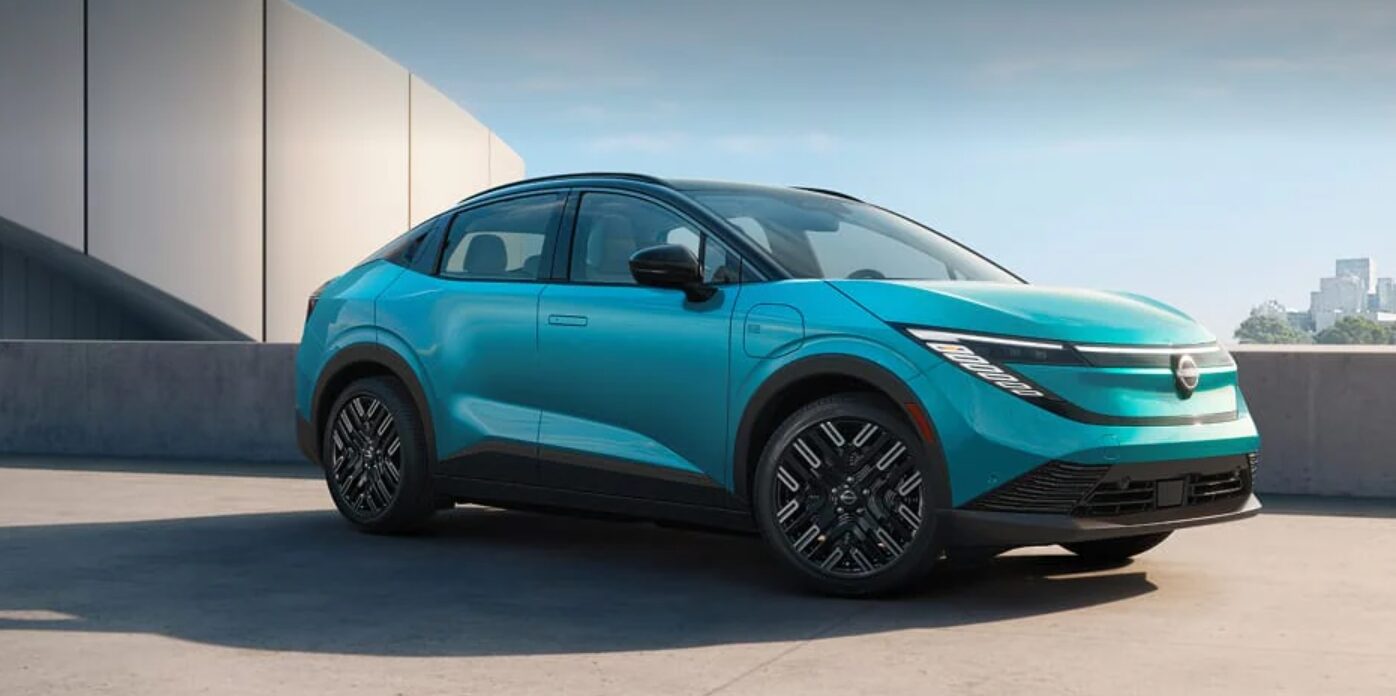
Nissan Solid-State Battery 2028 Production: Can Japan Challenge China’s EV Dominance?
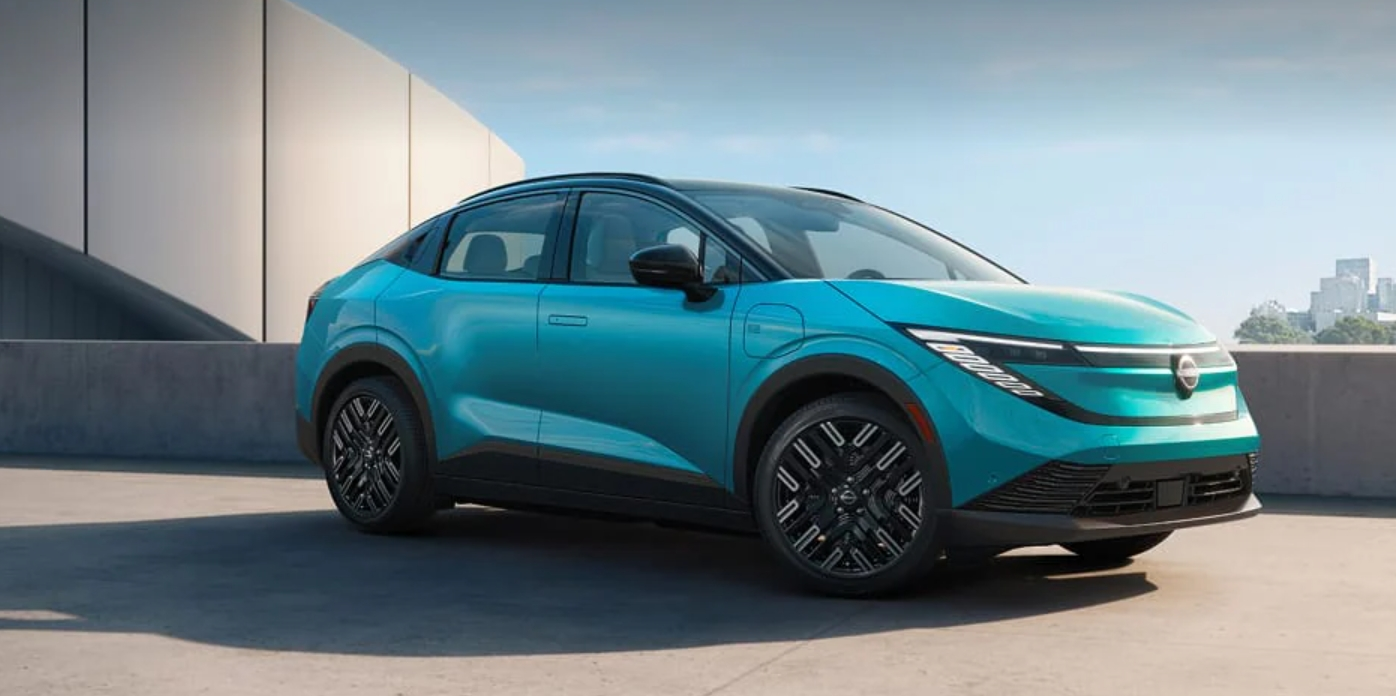
Nissan Solid-State Battery 2028 Production: A Technical Validation With Global Stakes
While Chinese battery giant CATL currently controls over 36% of the global EV battery market, Nissan has just validated a technological time bomb that could detonate that dominance by decade’s end. The Japanese automaker confirmed its Nissan solid-state battery 2028 production timeline remains intact after its 23-layer cell stack prototype achieved performance targets—delivering twice the energy density of conventional lithium-ion and slashing charging times by 66%.
For Western investors and automotive executives, this is not merely a technical milestone. It represents a potential inflection point in the China-centric battery supply chain that currently defines the EV industry.
The Breakthrough: Why 23 Layers Matter
Nissan’s recent technical briefing revealed that its multi-layer all-solid-state battery (ASSB) prototype has cleared crucial performance benchmarks. Unlike the single-layer laboratory demonstrations that often dominate headlines, Nissan’s 23-layer stack represents a scalable manufacturing architecture.
- Energy Density: Double that of current lithium-ion batteries, enabling 600+ mile range vehicles
- Charging Speed: One-third the charging time—potentially 10-15 minutes for 80% capacity
- Thermal Stability: Solid-state chemistry eliminates thermal runaway risks inherent in liquid electrolyte designs
According to Reuters automotive analysis, this positions Nissan alongside Toyota as the only legacy automakers with validated roadmaps to commercialize solid-state technology before 2030.
The China Variable: How Nissan’s Timeline Compares to CATL and BYD
Here is where the analysis becomes critical for Western markets. While Nissan targets fiscal year 2028 (April 2028-March 2029) for mass production, Chinese competitors are not standing still.
China’s Solid-State Acceleration
Contemporary Amperex Technology Co. Limited (CATL) has announced its own solid-state battery production target for 2027—one year ahead of Nissan. Meanwhile, NIO has already deployed semi-solid-state batteries (150 kWh) via supplier WeLion in commercial vehicles, though true all-solid-state remains in development.
However, industry experts note a crucial distinction: BloombergNEF analysis suggests Chinese manufacturers are prioritizing cost-competitive semi-solid solutions for immediate market penetration, while Japanese firms like Nissan are betting on the quantum leap of full solid-state chemistry.
See our analysis on CATL’s condensed battery strategy and its impact on Western EV supply chains
The Manufacturing Reality Check
Nissan executive Shunichi Inamijima emphasized that the company has solved the ‘dry room’ manufacturing constraints that have plagued solid-state production. This is significant—Financial Times previously reported that manufacturing complexity, not chemistry, has delayed QuantumScape’s commercialization efforts.
If Nissan can deliver on its promise of low-cost mass production by 2028, it could bypass the semi-solid transition phase entirely, leapfrogging Chinese competitors who face yield-rate challenges with oxide-based solid electrolytes.
Beyond the Cell: Nissan’s V2G and Software Ecosystem
The battery breakthrough accompanies a broader ecosystem play that should interest Western energy markets. Nissan plans to commercialize affordable bidirectional charging hardware by 2028—addressing a market where current V2G (Vehicle-to-Grid) units cost approximately ¥1.5 million ($9,450).
The Energy Storage Arbitrage
By 2030, Nissan envisions EV owners selling excess power back to grids. This creates a secondary revenue stream for vehicle owners and positions Nissan vehicles as distributed energy storage assets—a concept Bloomberg identifies as critical for grid stabilization in renewable-heavy Western economies.
Additionally, Nissan’s software-defined vehicle platform launching this fiscal year aims to close the gap with Tesla and Chinese smart EVs. The integration of AI-driven autonomous driving by FY2027 and AI companion features suggests Nissan is pursuing a ‘hardware breakthrough + software ecosystem’ strategy similar to China’s XPeng and NIO.
Investment Implications: What Western Stakeholders Should Watch
For Western investors, Nissan’s announcement forces a recalibration of battery supply chain risk assessments.
- Supply Chain Diversification: Validated Japanese solid-state production reduces dependency on Chinese-controlled lithium processing and cathode manufacturing
- Commodity Demand: Solid-state batteries utilize different materials (sulfide electrolytes, lithium metal anodes) than conventional NCM or LFP cells
- Competitive Response: Expect accelerated M&A activity as Western automakers (GM, Ford, VW) scramble to secure similar technology via partnerships with Solid Power or QuantumScape
The race for Nissan solid-state battery 2028 production is not merely about one company’s product cycle—it is about whether the automotive industry can break China’s stranglehold on next-generation energy storage before the decade ends.
As the FY2028 deadline approaches, Western markets should monitor not just Nissan’s pilot line yields, but whether Beijing responds by accelerating CATL’s own solid-state roadmap—or whether Japanese manufacturing precision will finally reclaim the technological high ground in the EV era.