Toshiba SmartMCD TB9M030FG: Why Automotive Motor Control Integration Is Reshaping China’s EV Supply Chain
Toshiba SmartMCD TB9M030FG: Why Automotive Motor Control Integration Is Reshaping China’s EV Supply Chain
Did you know that the average electric vehicle now contains over 1,400 individual semiconductor chips, with motor control units accounting for nearly 15% of total BOM cost? As the global auto industry grapples with persistent supply chain vulnerabilities, Toshiba’s latest innovation offers a glimpse into how automotive motor control integration could simultaneously solve China’s manufacturing efficiency goals and Western investors’ shortage anxieties.
The Chip Shortage’s Silver Bullet?
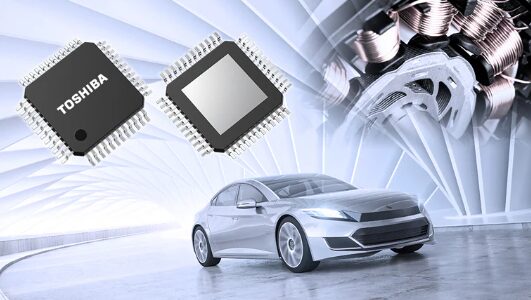
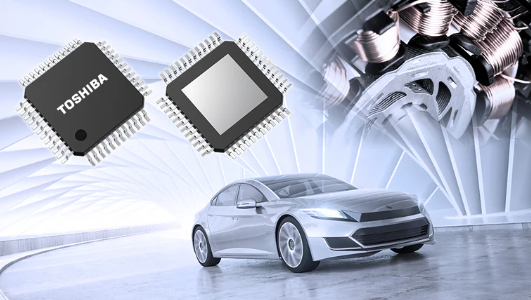
In August 2024, Toshiba Electronic Devices & Storage Corporation began shipping engineering samples of the TB9M030FG, the newest member of its SmartMCD™ series. This isn’t just another motor driver – it’s a complete system-on-chip solution that integrates an Arm® Cortex®-M0 MCU, flash memory, three-phase BLDC motor gate drivers, LIN transceiver, and power management into a single 9×9mm QFP48 package.
For China’s EV manufacturers, who currently dominate global production with over 60% market share, this level of integration addresses a critical pain point: the proliferation of electronic control units (ECUs). As vehicles transition to 48V and 800V architectures, the space constraints under the hood have become battlefield territory. Toshiba’s solution reduces component count while delivering sensorless field-oriented control (FOC) capable of stable operation from zero RPM – eliminating the need for expensive position sensors in applications like electric water pumps, oil pumps, and HVAC blowers.
Why Toshiba’s SmartMCD Matters for China’s EV Dominance
China’s automotive semiconductor market is projected to exceed $30 billion by 2025, yet the country still relies heavily on Japanese and European suppliers for high-reliability power chips. The TB9M030FG, which meets AEC-Q100 Grade 0 standards, represents exactly the type of automotive-grade integration Chinese OEMs are demanding as they move toward zonal E/E architectures.
Technical Breakdown: What’s Inside the TB9M030FG?
- Arm Cortex-M0 Core: Handles complex motor algorithms without external processor support
- Proprietary Vector Engine: Hardware-accelerated FOC reduces CPU load and software footprint
- Sensorless Control: Toshiba’s proprietary algorithm enables quiet operation from standstill without Hall sensors, eliminating high-frequency injection noise
- Automotive-Grade Integration: LIN transceiver and power system operate directly from vehicle battery voltage
This integration aligns with Beijing’s push for ‘chiplet’ strategies and supply chain consolidation. By reducing the number of discrete components from five or six chips down to one, Chinese EV makers can mitigate the risk of single-component shortages that plagued production lines in 2021-2022.
Supply Chain Implications for Western Investors
For Western portfolio managers tracking the automotive semiconductor space, Toshiba’s move signals a broader industry pivot toward ‘More than Moore’ integration strategies. While Reuters recently reported that the worst of the chip shortage has passed, the vulnerability of complex supply chains remains acute.
BOM Reduction vs. Single Source Risk
The TB9M030FG exemplifies the trade-offs facing Tier 1 suppliers. On one hand, integration reduces PCB space by up to 40% and simplifies procurement. On the other hand, relying on single-source highly integrated chips creates new concentration risks. Bloomberg notes that Japanese semiconductor makers are gaining market share precisely because they offer these automotive-integrated solutions while maintaining higher reliability standards than some Chinese domestic alternatives.
Western investors should note that while Chinese EV brands like BYD and NIO are aggressively verticalizing their semiconductor supply chains, they continue to source high-reliability motor control chips from Japanese vendors like Toshiba and Renesas. This creates an interesting geopolitical hedge: even as trade tensions rise, the technical requirements of automotive safety standards (ISO 26262, AEC-Q100) keep Japanese suppliers entrenched in China’s EV supply chain.
See our analysis on China’s automotive semiconductor localization strategy to understand how domestic players are responding to this integration trend.
The Bigger Picture: Asia’s Semiconductor Integration Race
Toshiba’s SmartMCD launch arrives as competitors like Infineon and NXP roll out similar highly-integrated motor control solutions. However, Toshiba’s specific focus on sensorless low-speed control – crucial for EV thermal management systems – gives it a technical moat in the booming Chinese EV auxiliary motor market.
The message for Western automotive executives is clear: automotive motor control integration isn’t just a cost-saving measure; it’s becoming a strategic necessity. As EVs add more auxiliary motors for battery thermal management and cabin comfort, the ability to control them efficiently with minimal silicon real estate will determine which manufacturers survive the next price war.
For investors, the TB9M030FG represents a tangible example of how semiconductor consolidation is solving the complexity crisis in automotive electronics – one integrated chip at a time.