80kWh PHEV Battery Breakthrough: Svolt Fortress 2.0 Resets the Hybrid Standard
80kWh PHEV Battery Breakthrough: Svolt Fortress 2.0 Resets the Hybrid Standard
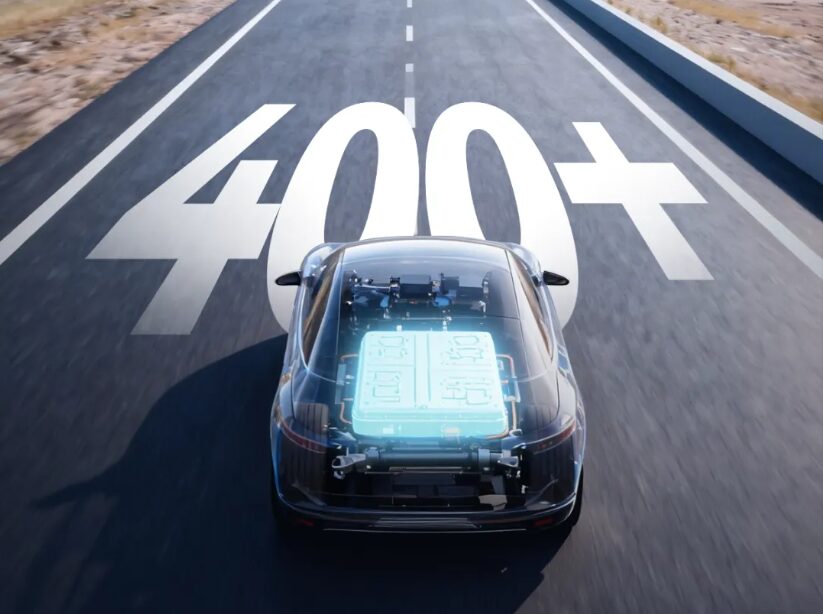
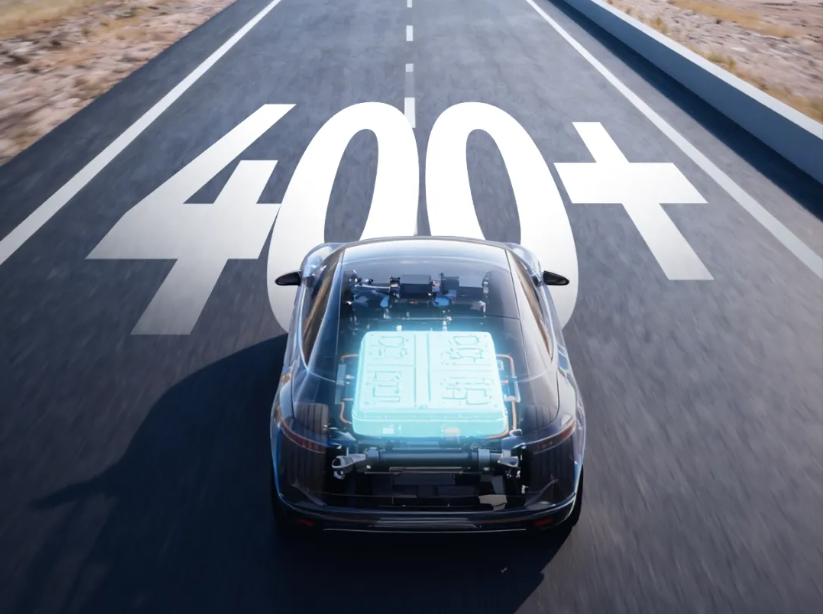
What if your plug-in hybrid could drive 400 kilometers without using a drop of gasoline? While Western automakers tout 25kWh batteries as class-leading in their premium PHEVs, Chinese battery maker Svolt Energy has just shattered that ceiling. The company’s Fortress 2.0 battery pack—boasting a massive 80kWh capacity—has officially entered mass production, fundamentally redefining what consumers should expect from electrified drivetrains.
According to automotive industry reports, this development signals a dramatic escalation in the battery technology race between Chinese suppliers and legacy Western OEMs.
The 80kWh PHEV Battery: Specifications That Obsolete Current Standards
On April 16, Svolt Energy announced that its Fortress 2.0 battery had rolled off the production line at its Changzhou facility. The specifications read like a wish list for EV enthusiasts—except this is designed for plug-in hybrids:
- Capacity: 80kWh (1/3C rating)—a 35.6% increase over Svolt’s previous 59kWh generation
- Range: Enables 400+ km pure electric range in D-class SUVs
- Charging: Supports 6C peak fast charging, delivering 400km of range in just 10 minutes
- Target Vehicles: Large five/six-seat family SUVs and off-road capable models
To put this in perspective, the upcoming Beijing Auto Show will host the debut vehicle featuring this technology—a mysterious flagship SUV that promises to blur the line between PHEV and full BEV.
Why This Matters: Technical Architecture
System Integration and Energy Density
Svolt has achieved a 6% improvement in volume utilization and energy density compared to the previous Fortress generation through advanced system integration. This matters because packaging space remains the primary constraint in large SUV architectures.
Safety Engineering Beyond Compliance
The Fortress 2.0 employs a triple-redundant safety design spanning structural, thermal, and electrical domains:
- Structural: Vibration resistance rated at 3x national standards; side-impact resistance at 2x standards; torsional rigidity of 30,000Nm/Deg (3x industry standard)
- Waterproofing: 200-hour immersion capability—quadruple the industry requirement
- Thermal Management: Ultra-high-temperature insulation coating withstands 1,000°C without ignition; nano-ceramic insulation materials maintain integrity for 30 minutes at extreme temperatures
- Electrical Safety: Intelligent circuit breakers capable of millisecond-level high-voltage cutoff
Strategic Market Implications for Western Audiences
The 2026-2028 Battleground
Svolt explicitly identifies large-capacity PHEV as the fastest-growing segment between 2026 and 2028. This prediction aligns with market data showing Chinese consumers increasingly favoring extended-range electric vehicles (EREVs) that minimize range anxiety while offering daily EV-only driving.
For Western investors, this represents a critical inflection point. While European and American manufacturers struggle to achieve cost parity with 15-25kWh PHEV packs, Chinese suppliers are commoditizing 80kWh systems. The cost curve implications suggest Western OEMs may face insurmountable disadvantages in the premium hybrid segment within three years.
Disrupting the Premium SUV Segment
The target application—large family SUVs and off-road vehicles—directly challenges segments dominated by Western premium brands. Imagine a Chinese-manufactured large SUV offering 400km electric range at a price point below a BMW X5 xDrive50e (which offers approximately 80km electric range). This is not speculation; it is the imminent reality Svolt’s technology enables.
See our analysis on how CATL’s Shenxing battery compares to Svolt’s roadmap for additional context on China’s battery technology divergence.
Beijing Auto Show 2024: The Global Stage
The first vehicle equipped with Fortress 2.0 will debut at the Beijing International Automotive Exhibition, running through early May. Industry watchers expect this to be either a Haval or WEY-branded flagship from Great Wall Motors (Svolt’s parent company spin-off), potentially positioning it as a direct competitor to the Mercedes GLE or BMW X7 in the Chinese market.
The timing is strategic. As Western markets debate stricter emissions standards and EV mandates, Chinese manufacturers are deploying bridge technologies that render traditional PHEVs obsolete. An 80kWh PHEV is essentially a BEV with a range extender—offering the best of both worlds without the range anxiety.
Conclusion: The New Baseline
Svolt’s Fortress 2.0 does not merely represent incremental improvement; it establishes a new baseline for what constitutes a premium electrified vehicle. For Western automotive executives and investors, the message is clear: the window for competing in the high-volume PHEV market is closing rapidly. When 80kWh becomes the standard offering in family SUVs, 25kWh batteries will look like relics of a transitional era.
The Beijing Auto Show reveal will provide the first real-world validation of this technology. But the mass production commencement means the supply chain is already building. The question is no longer if this technology reaches Western shores, but when—and whether domestic manufacturers will have competitive answers ready.